

Kraków’s Historic Centre, Poland
Stepping into Kraków’s Old Town feels like walking onto a perfectly preserved medieval film set. As one of the very first sites named to the original UNESCO World Heritage List in 1978, its heart is Rynek Główny, Europe’s largest medieval market square.
The square is dominated by the magnificent St. Mary's Basilica, with its twin towers of different heights, and the Renaissance-era Cloth Hall, which has been a center of trade for centuries. The site also includes the historic districts of Kazimierz and Stradom, as well as Wawel Hill, where the Royal Castle and Cathedral stand as powerful symbols of Poland's national identity. It’s a city that has harmoniously blended centuries of architectural styles, from Gothic to Baroque, creating one of Europe's most beautiful urban landscapes.
Plitvice Lakes National Park, Croatia
A world away from any city, Plitvice Lakes National Park is a masterpiece of nature. This Croatian gem, a UNESCO site since 1979, is a breathtaking cascade of 16 interconnected lakes that tumble into one another via a series of stunning waterfalls. The water's colour famously shifts from vibrant turquoise to deep blue and green, depending on the mineral content and sunlight. This magical landscape is the result of a natural process involving travertine, a type of limestone that forms barriers, creating the lakes and falls over thousands of years. Wooden boardwalks meander across the crystal-clear water, allowing you to walk right alongside the rushing falls and serene pools, surrounded by dense forests that are home to diverse wildlife, including rare birds and even brown bears.
Wieliczka Salt Mine, Poland
Just a short trip from Kraków lies an underground world that seems carved from fantasy. The Wieliczka Salt Mine, operational since the 13th century, is a labyrinth of tunnels descending over 135 meters below the surface. But this is no ordinary mine. Over centuries, generations of miners carved incredible works of art directly into the rock salt. The undisputed highlight is the jaw-dropping Chapel of St. Kinga, an entire subterranean church where everything from the elaborate chandeliers to the altarpieces and floor tiles is made of salt. This remarkable fusion of industry, art, and faith earned it a spot on UNESCO's inaugural list in 1978, recognizing it as a monument to both human ingenuity and devotion.
Painted Monasteries of Moldavia, Romania
In the Bucovina region of northeastern Romania, a collection of Orthodox monasteries tells biblical stories not in books, but on their exterior walls. These 15th and 16th-century masterpieces of Byzantine art are covered inside and out with elaborate frescoes featuring saints, prophets, and dramatic scenes like the Last Judgment and the Siege of Constantinople. The paintings were intended to make religious tales accessible to all people in a time when many couldn't read. Each monastery has its own unique character and color palette. Voroneț Monastery is famed for a specific shade of intense blue, known as 'Voroneț blue,' whose composition remains a mystery. These churches are not just art galleries; they are vibrant, living historical documents.
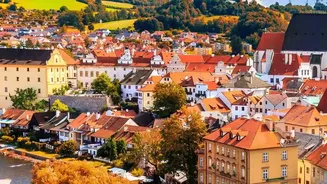
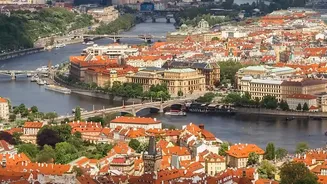
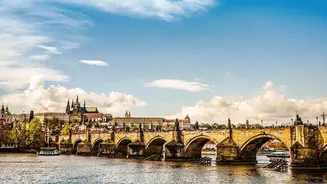
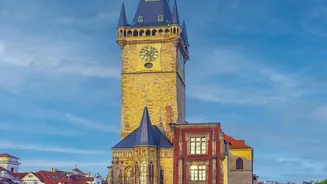
Historic Centre of Prague, Czech Republic
Known as the "City of a Hundred Spires," Prague’s historic center is a sprawling urban masterpiece that has captivated visitors for a millennium. Earning its UNESCO designation in 1992, the site encompasses the Prague Castle complex, the iconic Charles Bridge lined with saints, the Old Town Square with its astronomical clock, and the elegant Lesser Town. Miraculously surviving the wars of the 20th century largely unscathed, the city is a living textbook of architecture, showcasing a breathtaking range of Gothic, Renaissance, and Baroque styles. Wandering its cobblestone streets feels like a journey through time, with every corner revealing a story, a stunning facade, or a panoramic view of the Vltava River.