

What Exactly Is a Dirty Matcha?
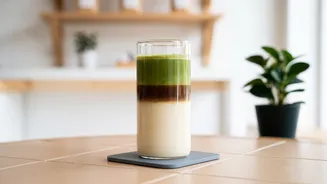
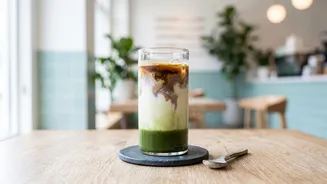
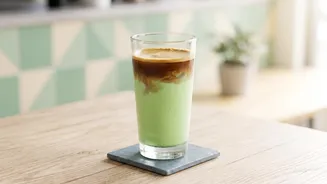
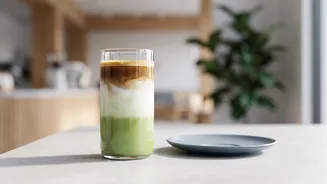
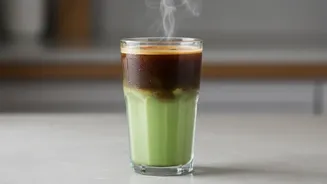
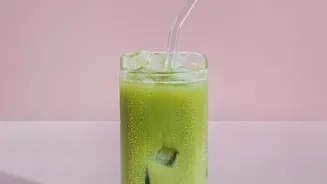
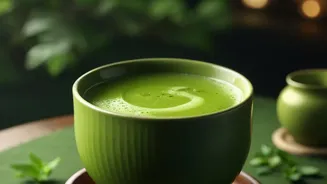
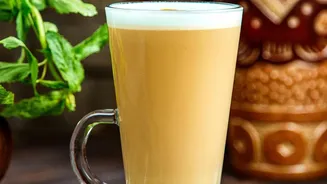
A dirty matcha is a matcha latte with a shot of espresso poured over the top. The name comes from the way the dark coffee “dirts” the vibrant green of the matcha and milk, creating a visually appealing layered effect. The concept follows a familiar café
pattern, most notably the “dirty chai,” where espresso is added to a tea-based latte. While the drink has been popularised on social media for its unique appearance, its origins trace back to café experimentation, with a major push coming from Starbucks in Asian markets around 2016 with its “Matcha & Espresso Fusion.” Though it never became an official menu item in the US, the trend caught on, with baristas and home brewers alike creating their own versions, sometimes calling it a “camo latte” or even a “swamp latte.”
The Allure of Opposites: Flavor Explained
The fundamental appeal of a dirty matcha lies in its complex flavor profile, which marries the distinct characteristics of its two main ingredients. Matcha brings a grassy, savory, and slightly sweet umami depth, while espresso contributes a roasted bitterness and robust intensity. Milk, whether dairy or a plant-based alternative like oat milk, plays a crucial role as a creamy mediator, softening the edges of both the tea and the coffee and binding them together. The final taste depends heavily on the ratio of ingredients and their quality. Using a high-quality ceremonial grade matcha is often recommended, as its smoother, less bitter profile can better balance the forcefulness of the espresso; a lower-grade culinary matcha can sometimes make the combination harsh. The result is a drink that is simultaneously earthy, creamy, and bold—a layered experience for the adventurous palate.
A Tale of Two Caffeines
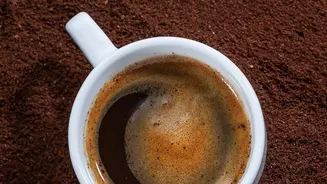
Beyond its flavor, the dirty matcha offers a unique energy boost by combining two different types of caffeine experiences. Coffee, and specifically espresso, delivers a quick and potent hit of caffeine that blocks adenosine receptors in the brain, leading to a rapid increase in alertness. A single shot of espresso contains roughly 63 milligrams of caffeine. Matcha, on the other hand, provides a more gentle and sustained release of energy. While a typical serving of matcha has a comparable amount of caffeine (often between 60 to 80 milligrams), it also contains a high concentration of L-theanine, an amino acid known for promoting a state of “calm alertness” or “wakeful relaxation.” This compound smooths out the sharp peaks and jitters sometimes associated with coffee, preventing the dreaded caffeine crash. In a dirty matcha, these two effects are combined, offering both the immediate kick from the espresso and the steady, focused energy from the matcha.
How to Make It at Home
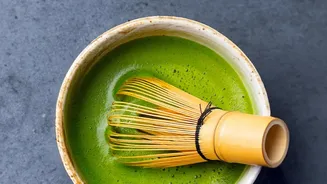
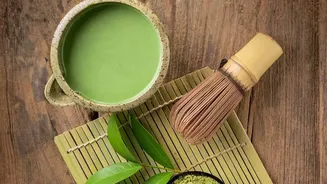
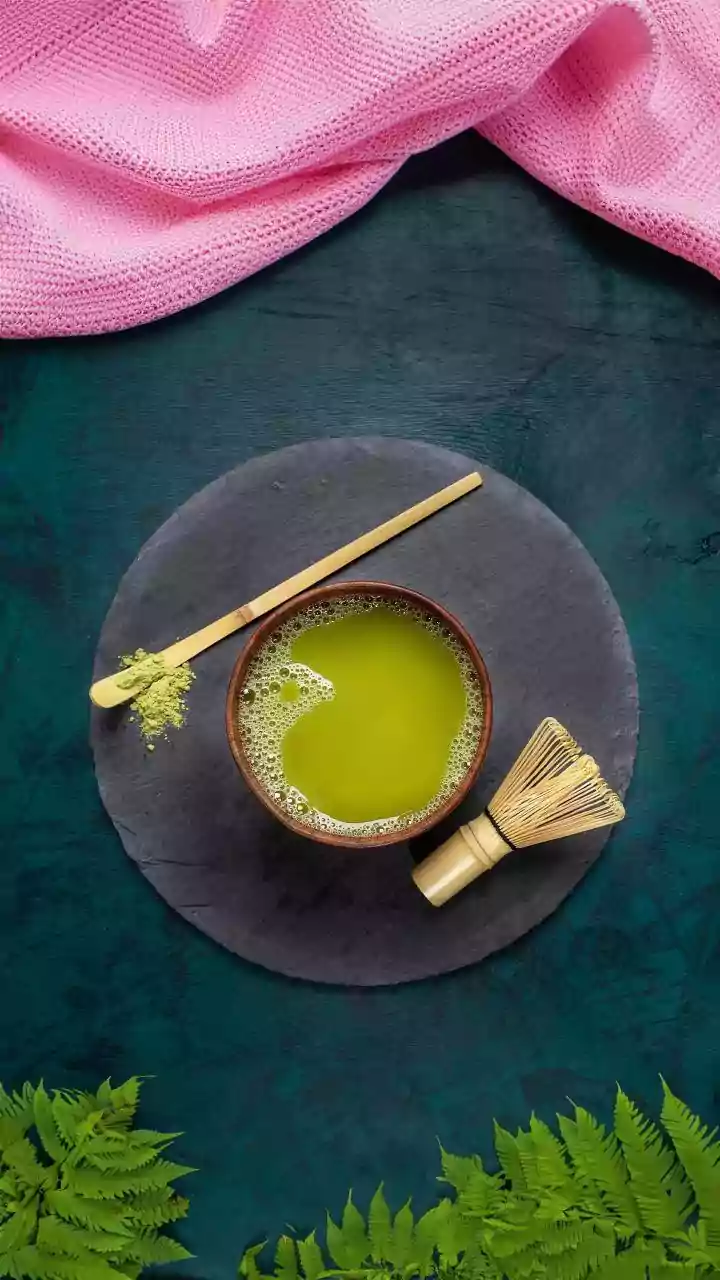
Crafting a dirty matcha at home is surprisingly simple. For a classic iced version, you'll need matcha powder, hot water, milk, and a shot of espresso or strongly brewed coffee. Start by sifting one teaspoon of matcha powder into a small bowl to prevent clumps. Add about two to three tablespoons of hot (not boiling) water and whisk vigorously until the matcha is smooth and frothy; a bamboo whisk is traditional, but a small electric frother works well. If you prefer a sweeter drink, this is the best time to whisk in maple syrup or honey. Next, fill a tall glass with ice and pour in your milk of choice, leaving room at the top. Pour the prepared matcha over the milk. Finally, slowly pour the cooled espresso shot over the top to create the signature layered look. For the cleanest layers, some suggest pouring the espresso over the back of a spoon. Admire your work, then stir to combine the flavors before drinking.
The Verdict: Is It for You?
So, does it actually taste good? The answer is subjective and often depends on your palate. For coffee lovers looking to explore the world of matcha, it can be a great entry point, as the familiar boldness of espresso grounds the drink. For matcha purists, the addition of coffee might feel like an unwelcome intrusion. The most common descriptions of the flavor profile range from a balanced blend of grassy and roasted notes to something more akin to “dirt” if the ingredients aren’t balanced well or are of lower quality. Ultimately, the dirty matcha is an experiment in a glass. It challenges traditional beverage categories and offers a complex, multi-layered experience. If you’re a fan of both coffee and matcha, or simply someone with a curious and adventurous palate, it’s a combination worth trying at least once.