






The Source Is Everything
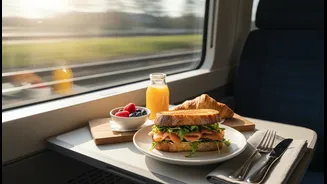
On a train, a seasoned traveller knows the difference between a clean, busy vendor at a major station and a questionable snack sold by an unauthorised seller between stops. We look for clues: Is the stall clean? Is the food freshly prepared and hot? The
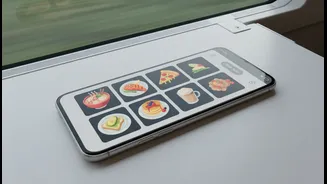
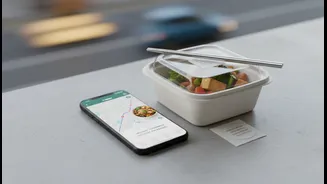
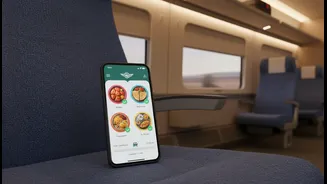
same logic applies to food apps. A flashy menu and professional photos mean little if the meal comes from an unregulated ‘cloud kitchen’ operating with subpar hygiene. Under FSSAI regulations, all online sellers must have a valid license, just like a station vendor. Smart consumers on apps now look beyond the pictures, checking user reviews for comments on hygiene, packaging, and consistency, and verifying if the restaurant has a legitimate FSSAI license, which platforms are required to display.
The Journey from Kitchen to Seat
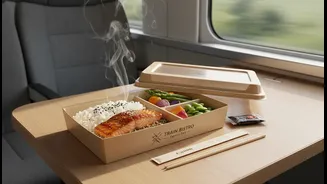
The journey your food takes is a critical food safety checkpoint. In trains, food is often prepared in a central base kitchen or a pantry car and then distributed. The risk lies in how long it sits and at what temperature before it reaches you. A meal left at room temperature is a breeding ground for bacteria. Similarly, the journey of an app order involves a delivery partner. The key safety factor here is time and temperature control. Hot food must stay hot (above 60°C) and cold food cold (below 5°C). Insulated delivery bags are crucial for this. While railways face challenges with pantry cars, delivery apps face issues with logistical efficiency and ensuring their riders are trained in safe food handling. A 45-minute delivery in scorching summer heat can be as risky as a meal that's been sitting in a pantry car for hours.
The Middleman's Responsibility
When you have a complaint about railway food, you approach IRCTC or railway officials. They are the platform and the service provider. With food apps, the line can seem blurry. Is the app responsible, or is the restaurant? Increasingly, regulations are making it clear that platforms like Zomato and Swiggy are not just tech intermediaries; they are food business operators themselves. They have a duty to onboard only licensed vendors, ensure claims aren't misleading, and provide a robust grievance redressal system. In recent years, consumer grievances against these apps have surged, covering issues from substandard food to poor packaging. This has pushed FSSAI to increase scrutiny and hold platforms more accountable for the entire experience.
The Power of a Complaint
Complaining about a bad meal on a train used to feel like shouting into the void. Today, however, channels like social media and dedicated IRCTC portals have made feedback more impactful. This is one area where app culture has a distinct advantage. A negative rating or a detailed review with photos can immediately impact a restaurant’s business. Furthermore, apps have built-in customer support channels to report issues like tampered packaging, wrong orders, or poor quality. For serious issues like food poisoning, consumers have a clear path to file official complaints with FSSAI through its FoSCoS portal, which covers both train caterers and app-listed restaurants. Knowing how and where to complain—whether on the app, to IRCTC, or to FSSAI—empowers consumers to demand better standards across the board.
Your Checklist for Safer Eating
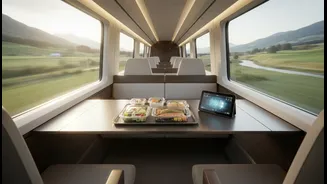
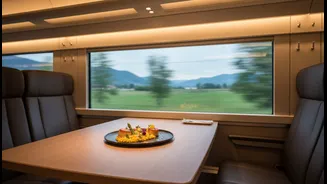
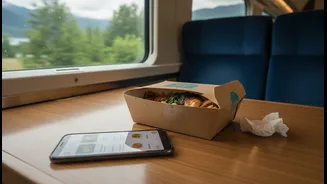
Whether you're booking a ticket or tapping 'place order', a few precautions remain timeless. For train journeys, opt for freshly cooked hot meals and buy from certified 'Eat Right Stations' where possible. Use e-catering services to order from reputable, FSSAI-approved restaurants delivered to your seat. For app orders, don’t just fall for discounts. Vet the restaurant by checking its FSSAI license number and reading recent reviews that mention hygiene. Always inspect food on arrival. Look for secure, tamper-proof packaging. If the food seems off, is cold when it should be hot, or the packaging is damaged, don't consume it. Report the issue immediately through the app.