


The Great Millet Comeback
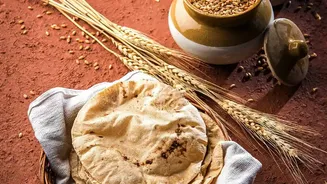
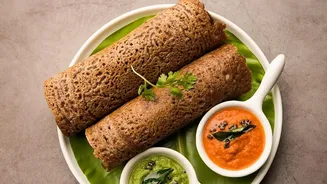
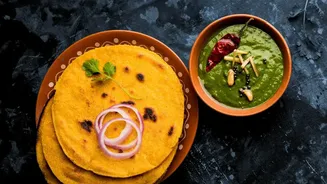
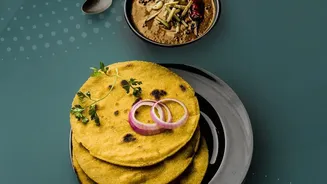
For generations, millets like jowar, bajra, and ragi were staples in Indian kitchens before slowly being replaced by wheat and rice. Now, these powerhouse grains are staging a remarkable comeback. This resurgence is driven by a perfect storm of factors:
a growing wellness trend, a desire for sustainable food choices, and a significant push from initiatives like the International Year of Millets. Once deemed 'coarse grains', millets are now celebrated as 'nutri-cereals' for their impressive health profile. They are packed with fibre, protein, and essential minerals, are naturally gluten-free, and have a low glycemic index, which helps in managing blood sugar levels. This makes them an ideal ingredient for anyone looking to make healthier dietary choices without sacrificing flavour.
Meet the Sweet-Friendly Millets
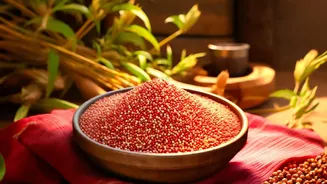
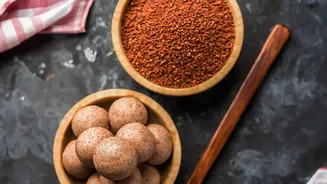
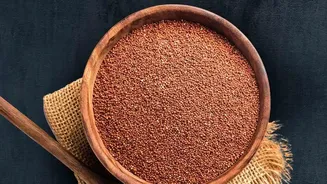
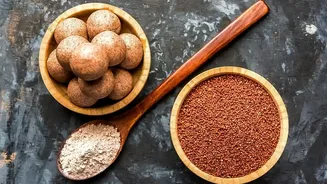
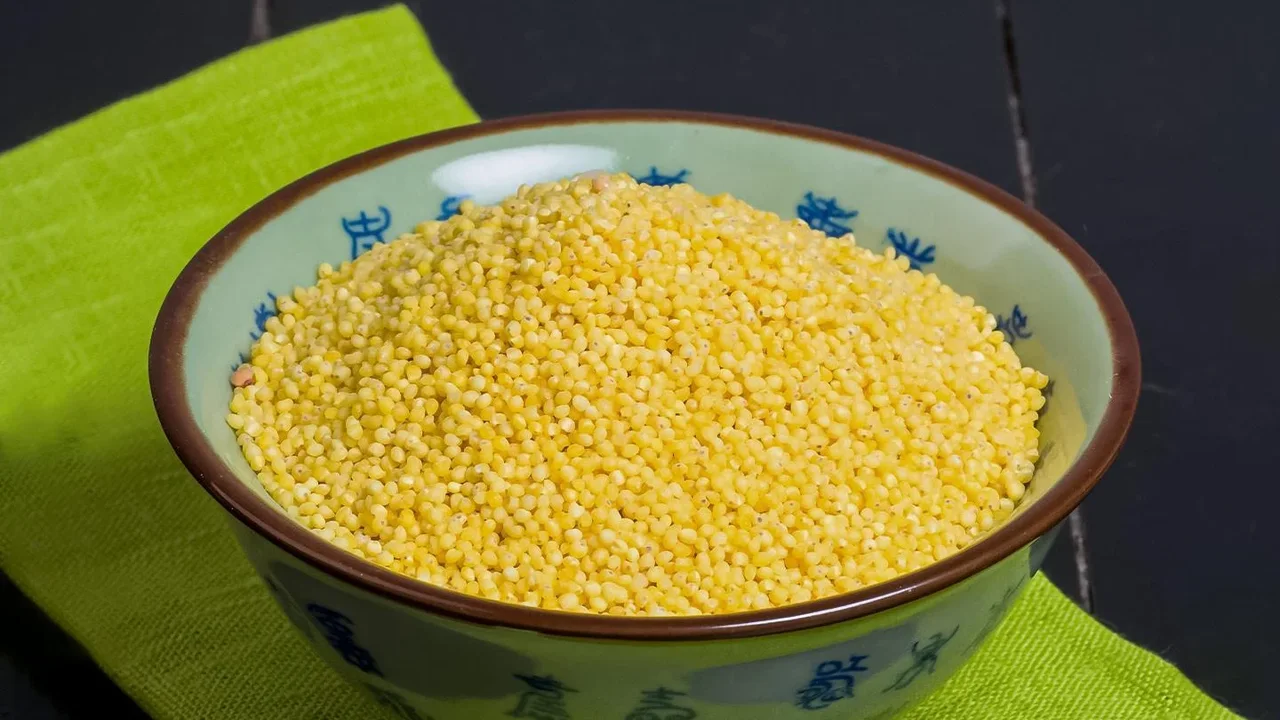
Not all millets are the same, and each brings a unique texture and flavour to desserts. Finger Millet (Ragi) has a rich, earthy flavour and a beautiful deep colour, making it perfect for chocolate cakes, dark-hued ladoos, and malpuas. Pearl Millet (Bajra), often used in winter, has a slightly nutty taste that pairs wonderfully with jaggery in recipes for crepes and tartlets. Sorghum (Jowar) is milder and more neutral, making its flour a fantastic substitute in cakes and cookies where you want other flavours to shine. Foxtail Millet (Kangni/Thinai) and Little Millet (Samai) are smaller grains that cook up soft and creamy, ideal for kheer, payasam, and sweet pongal. This versatility allows for a wide range of sweet creations.
From Ladoos to Layer Cakes
The use of millets in desserts goes far beyond traditional preparations. While classics like ragi ladoo and foxtail millet kheer remain popular, chefs and home bakers are now experimenting with modern treats. You can now find recipes for ragi chocolate brownies, jowar apple crumbles, and even fluffy banana bread made with millet flour. These grains can be used in several forms: as whole grains for puddings, as flakes for crusts and toppings, or, most commonly, as flour to replace or supplement refined wheat flour in baking. This innovation is transforming the dessert landscape, offering healthier versions of beloved classics like cakes, cookies, and puddings that are rich in flavour and nutrients.
Tips for Your Millet Kitchen
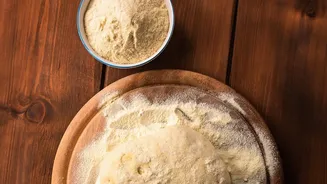
Ready to start experimenting? Incorporating millets into your desserts is easier than you think. A good starting point is to substitute a portion of regular flour with millet flour in your favourite cookie or cake recipe. Try starting with 25-30% millet flour and see how you like the texture. Because millet flours are gluten-free, they can sometimes result in denser baked goods, so they often work best when blended with other flours. Roasting millet flour lightly before use can enhance its nutty aroma and remove any slight bitterness. For kheers and puddings, cooking the whole millet grains until they are soft and creamy creates a wonderful texture. Don't be afraid to pair them with classic dessert flavours like cardamom, vanilla, chocolate, and fresh fruits.