




The Familiar Form, A World Away
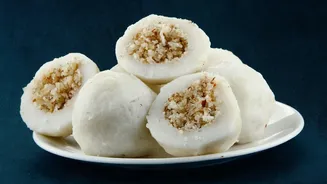
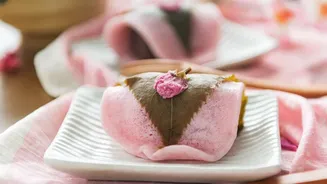
At first glance, the sweet could easily be mistaken for a modak, the beloved Indian delicacy offered to Lord Ganesha. It has the same teardrop shape, the same delicate pleats gathered at the top. This visual similarity is striking, yet this particular
treat is a cornerstone of Japanese confectionery, known as wagashi. Specifically, the form often reminds people of mochi, a broad category of Japanese rice cakes. While many types of mochi are simple and round, some, like certain daifuku, are artfully shaped in a way that creates this cross-cultural doppelgänger effect. It’s an immediate visual connection that prompts curiosity: how can two such distinct cultures arrive at such a similar design for their sweets?
A Taste of Japan: The World of Wagashi
The Japanese sweet in question belongs to the world of wagashi, a term for traditional Japanese confections that are as much a treat for the eyes as for the palate. Unlike the Indian modak, which is defined by its filling, the quintessential Japanese version is all about the outer layer, which is made from glutinous rice. This rice, known as mochigome, is steamed and then pounded meticulously with large wooden mallets in a ceremony called mochitsuki until it forms a smooth, elastic, and chewy dough. This dough is the mochi itself. While it can be filled, often with sweet azuki red bean paste, the primary experience is the unique, sticky texture of the rice cake. This tradition dates back centuries, with mochi being a food of reverence, celebration, and cultural significance, especially during the Japanese New Year.
The Indian Counterpart: A Sacred Offering
Back in India, the familiar shape belongs to the modak. While it may look similar, its composition and cultural heart are entirely different. The traditional Maharashtrian version, known as Ukadiche Modak, features an outer shell made from rice flour dough, which is steamed. The real star of the modak, however, is its filling. A fragrant, sweet mixture of freshly grated coconut and jaggery, often spiced with cardamom or nutmeg, is packed inside the delicate shell. The process involves shaping a cup from the rice dough, placing the filling inside, and then carefully pleating the edges to seal it before steaming. The result is a soft, fragrant dumpling where the shell serves as a perfect vehicle for the rich, flavourful interior.
Two Traditions, One Shape
The convergence in shape is a fascinating example of how different culinary paths can lead to a similar aesthetic. The pleated, hand-sealed form is a practical and beautiful way to enclose a filling, a technique that artisans in both cultures perfected independently. But the traditions they serve are distinct. Mochi in Japan is deeply connected to Shinto rituals, symbolizing longevity, good fortune, and family unity, with the act of pounding the rice itself being a communal celebration. Its identity is tied to the spirit of the rice. The modak, on the other hand, is primarily a devotional offering. It is famously known as the favorite sweet of Lord Ganesha, and offering 21 modaks during Ganesh Chaturthi is a central ritual. Its name, Modakapriya, literally means "one who loves modak." Every bite is an expression of faith and celebration linked to a specific deity.