

The Southern Classic: Rava Upma
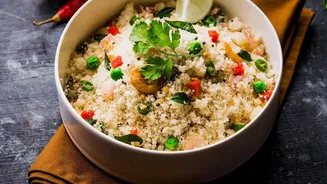
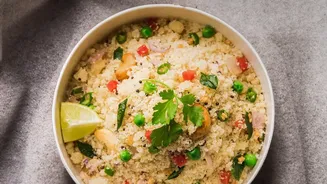
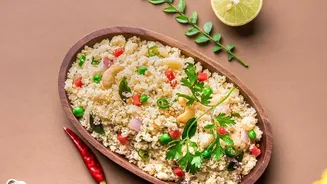
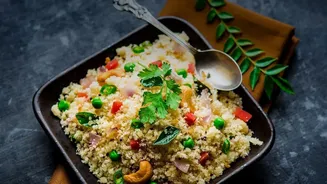
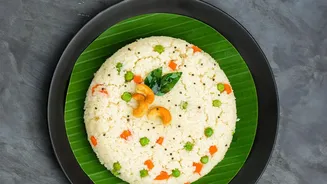
This is the version most people picture when they think of upma. Popular across South India, particularly in Tamil Nadu and Andhra Pradesh, this quintessential breakfast is made from dry-roasted semolina (rava or sooji). The preparation is simple yet
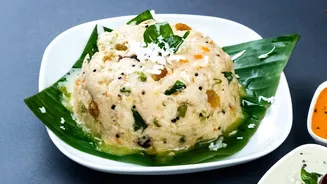
flavourful, starting with a tempering of mustard seeds, urad dal, and chana dal in hot oil or ghee. Curry leaves, green chillies, and ginger are added for aroma, followed by finely chopped onions sautéed until translucent. Hot water is poured in, and as it boils, the roasted rava is slowly added while stirring continuously to prevent lumps. The result is a soft, fluffy porridge, often garnished with fresh coriander. While delicious on its own, it's frequently served with coconut chutney or a sprinkle of sugar.
Karnataka's Flavour Bomb: Khara Bath
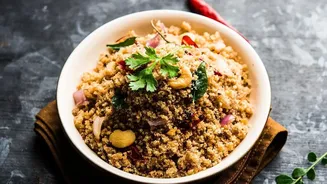
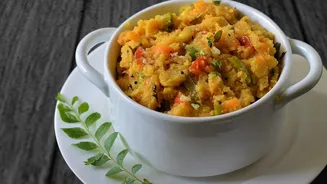
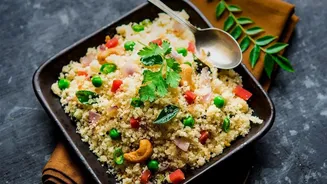
Travel to Karnataka, and you'll find that upma has a spicier, more aromatic cousin known as Khara Bath. While it also uses rava as a base, the key difference lies in the addition of a special masala powder, often the same one used for 'vangi bath' (brinjal rice). This spice blend gives Khara Bath its signature reddish-yellow hue and a complex, tangy flavour profile. Unlike the simpler rava upma, Khara Bath is almost always loaded with vegetables like carrots, beans, and green peas. Tomatoes are a crucial ingredient, adding moisture and tanginess. Typically richer and softer than its Tamil Nadu counterpart, it is often cooked with a more generous amount of ghee and a higher water-to-rava ratio, resulting in a melt-in-the-mouth texture.
Maharashtra's Buttermilk Twist: Sanja
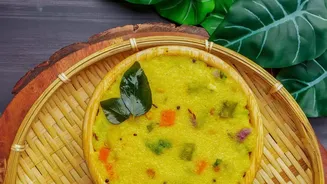
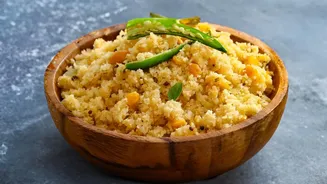
In Maharashtra, the humble upma is often called Sanja. What sets this version apart is the unique use of buttermilk (or yogurt mixed with water) instead of just plain water to cook the semolina. This lends a subtle sourness and a creamier texture to the final dish. The process starts similarly, with a tempering of mustard seeds, cumin seeds, and curry leaves. Onions, green chillies, and often peanuts for a delightful crunch, are sautéed before the roasted rava is added. A pinch of turmeric gives Sanja its characteristic yellow colour. The buttermilk is then added, and the mixture is cooked until the rava becomes soft and fluffy. It's a comforting and hearty breakfast, often garnished with fresh coconut and served with a side of sev for extra texture.
The Rice-Based Cousin: Arisi Upma and Pindi Pulihora
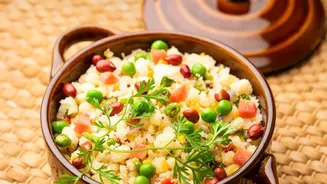
Moving away from wheat semolina, many regions use rice in their upma. In Tamil Nadu, 'Arisi Upma' is made from coarse rice flour (rice rava). It has a grainier, distinct texture compared to sooji upma. In Andhra Pradesh, a similar preparation called 'Pindi Pulihora' takes things in a tangier direction. It's an upma made from rice rava but flavoured with tamarind paste, giving it the sour and spicy notes of the classic Pulihora (tamarind rice). This version is a one-pot meal that balances tangy, sweet, and spicy flavours, often using jaggery to round out the tamarind's sourness. It is a perfect example of how a core concept can be completely transformed by a region's flavour preferences.
Modern and Pan-Indian Adaptations
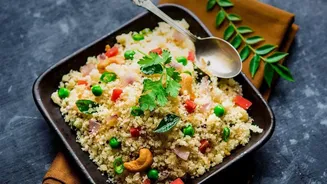
The beauty of upma lies in its incredible adaptability. Beyond traditional regional recipes, modern kitchens across India have created countless variations. Vermicelli Upma, also known as 'Semiya Upma', uses wheat vermicelli strands instead of rava for a noodle-like consistency that is a favourite with children. Health-conscious cooks have embraced versions made with oats, broken wheat (dalia), millets like foxtail millet, and even quinoa. These variations often include a generous helping of vegetables, making the dish even more nutritious. These new-age upmas show that the dish is not a static recipe but an evolving concept, constantly being reinvented to suit contemporary tastes and dietary needs.