






An Alarming Diagnosis
The latest U.S. State of the Birds report, a comprehensive analysis by a coalition of top conservation organizations, paints a sobering picture of the continent's avian health. The study found that more than one-third of all U.S. bird species are in need
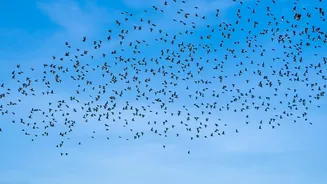
of conservation attention, with 229 species requiring urgent action to prevent further losses. The report identifies 112 species as having reached a critical "Tipping Point," meaning they have lost over half their population in the last 50 years and are on a trajectory toward endangerment if nothing changes. This follows a 2019 study that documented the disappearance of three billion birds from North America over the preceding half-century. Even duck populations, once a conservation success story, are now showing downward trends, signaling that environmental stressors are intensifying across nearly every habitat.
A Perilous Journey
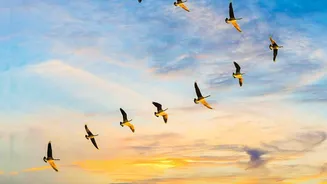
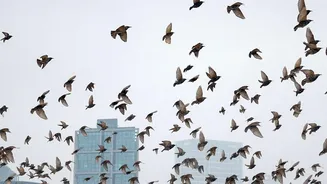
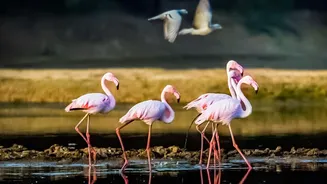
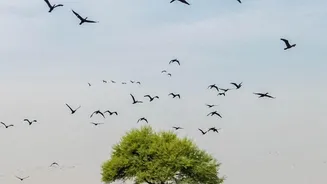
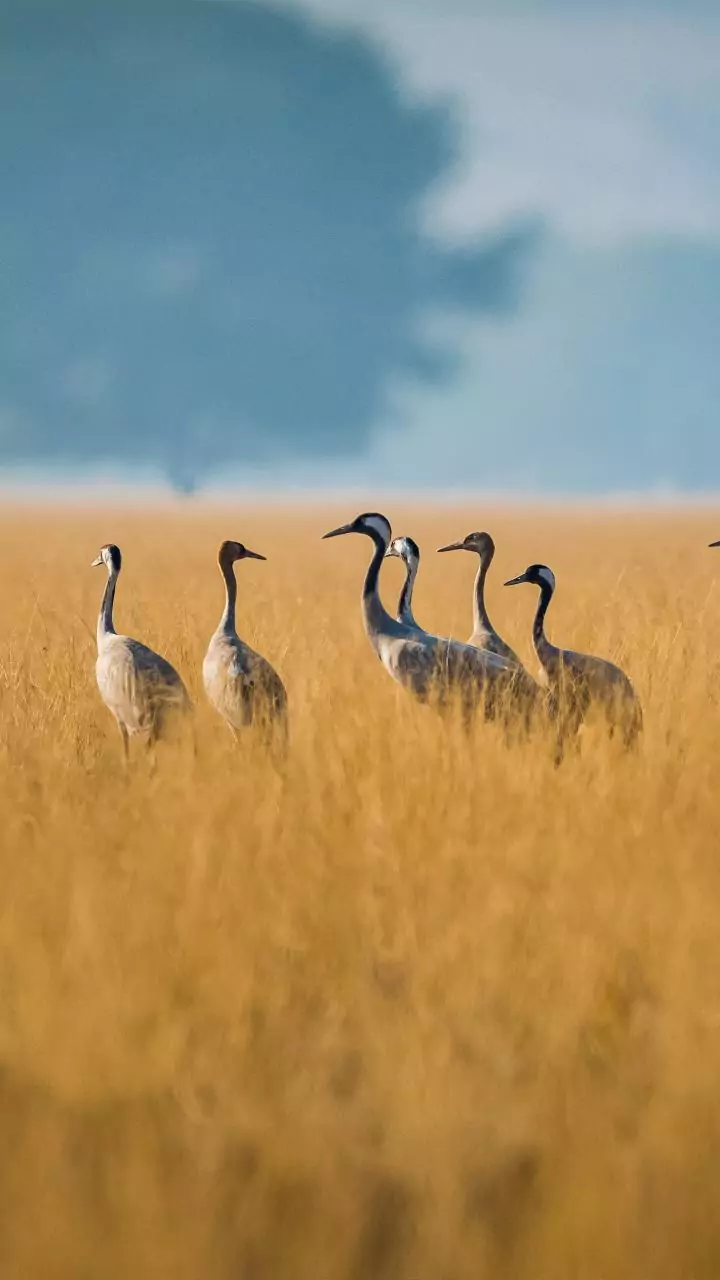
For migratory species, the dangers are twofold, occurring at both ends of their journey and all along the way. The new assessment emphasizes that threats exist not only in their summer breeding grounds but also at the crucial stopover sites they depend on during migration. These sites—wetlands, forests, and coastal areas—act as vital refueling stations where birds rest and feed before continuing journeys that can span thousands of miles. The loss and degradation of these habitats is a primary driver of decline, as it can exhaust birds, reduce their chances of survival, and limit their ability to breed successfully. Scientists have long known that the migratory period is the most dangerous part of a bird’s life cycle, and protecting these intermittent homes is just as critical as preserving their final destinations.
The Culprits: A Familiar Story
The threats driving these declines are complex and interconnected, stemming largely from human activity. Habitat loss remains a primary factor, with agriculture, logging, and unchecked coastal and urban development destroying the places birds need to live and raise their young. Compounding this is the growing impact of climate change. Extreme weather events, such as heatwaves and droughts, can disrupt breeding cycles and food availability. Longer-term climatic shifts are altering entire ecosystems and migratory routes that have been established for millennia. Other significant pressures include light pollution, which disorients birds that migrate at night, and the widespread use of pesticides that poison their food sources.
Why Healthy Bird Populations Matter
The decline of birds is more than just an ecological tragedy; it's a warning sign about the health of our own environment. Birds are vital bio-indicators, meaning their struggles signal deeper problems in our ecosystems—problems that ultimately affect us. Beyond their environmental role, birds are a significant economic driver. Nearly 100 million Americans engage in birdwatching, contributing an estimated $279 billion to the economy and supporting 1.4 million jobs. Furthermore, a growing body of research shows that encounters with birds and nature are vital for human mental health, helping to reduce stress and anxiety. When we work to protect birds, we are also investing in our economic stability and personal well-being.
A Blueprint for Hope
Despite the grim statistics, the report delivers a clear message of hope: conservation works. Past successes in reviving species like the Bald Eagle and various waterfowl populations prove that targeted, well-funded efforts can reverse declines. The call to action urges a more comprehensive approach that protects birds across their entire life cycle. This means creating and preserving habitats not just in one location, but along the international flyways that connect breeding, wintering, and stopover sites. It requires a combination of government investment, private land conservation, and international cooperation. Community science also plays a vital role, as data collected by everyday birdwatchers helps scientists track populations and identify conservation priorities.