








Why Hosting Guests Enhances Your Trip
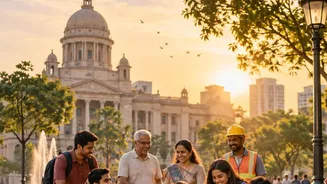
A trip to India is a rich tapestry of sights, sounds, and experiences. Sharing that adventure with loved ones, even for a short while, can make it even more memorable. It transforms a personal journey into a shared story, allowing you to see the country
through fresh eyes and create lasting memories together. The cultural ethos in India, often summarized by the saying 'Atithi Devo Bhava' (The guest is God), means hospitality is deeply ingrained. This welcoming spirit makes it a fantastic place to host friends and family, whether they are meeting you from abroad or joining from another Indian city.
First Steps: Aligning Expectations
Before diving into bookings, the most crucial step is communication. A successful group trip starts with understanding everyone's expectations. Discuss the pace of travel, budget, and primary interests. Are your guests looking for a whirlwind tour of historical monuments, a relaxing retreat in the backwaters of Kerala, or an adventurous trek in the Himalayas? Aligning on the 'travel job' for their portion of the stay prevents frustration later. A family with young children will have different needs than a group of friends looking for vibrant city life. Be realistic about what you can cover. India is vast, and travel between cities can consume significant time. It is often better to explore one region deeply than to rush through a checklist of destinations.
Arranging Accommodation for Your Group
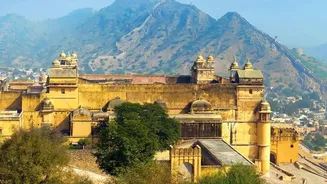
India offers a vast spectrum of accommodation, from luxurious palace hotels to charming homestays. When booking for a group, flexibility is key. Consider service apartments or hotels that offer interconnected rooms or family suites. Homestays provide a wonderful opportunity for guests to experience local culture and cuisine firsthand. For larger groups, boutique hotels can offer an intimate setting, while heritage properties in regions like Rajasthan provide a unique, opulent experience. When booking, always validate the location on a map rather than relying on the address, and read recent reviews to gauge safety and cleanliness. Booking well in advance is crucial, especially during peak season (October to March) or festival times.
Navigating Transportation Logistics
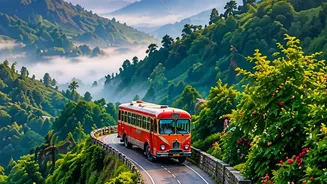
Getting around with a group requires more coordination than solo travel. For city-to-city travel, hiring a single, larger vehicle like a Tempo Traveller is often more efficient and convenient than coordinating multiple cars. It keeps the group together and simplifies logistics. A private car with a driver offers immense flexibility, especially for families or those with a packed schedule. While India's train network is extensive, booking seats together for a large group can be challenging and should be done far in advance. For longer distances, domestic flights are an affordable and time-saving option. Within cities, ride-hailing apps are widely available, but the classic auto-rickshaw ride is an experience many guests will enjoy.
Building a Guest-Friendly Itinerary
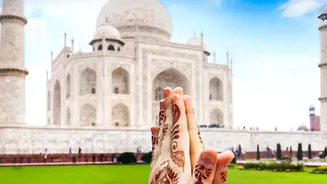
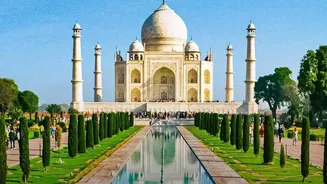
When planning activities, build an itinerary with breathing room. Over-scheduling is a common mistake that leads to exhaustion. Plan for the slowest person in the group to ensure a comfortable pace for everyone. It is wise to check the opening days of major attractions; for instance, the Taj Mahal is closed to the public on Fridays. Consider giving different members of the group a 'special day' where they get to choose the main activity. Also, be sure to gather information about dietary restrictions or allergies beforehand, especially since you will be exploring India's diverse culinary landscape. A well-planned schedule should balance iconic sights with downtime, allowing for rest and spontaneous discoveries.