





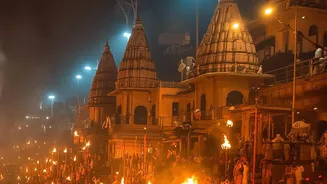

The air in Bihar is thick with anticipation as the state readies itself for Chhath Puja. With the crucial sunset offerings just days away on November 15, river ghats are being transformed to welcome millions of devotees for the ancient festival.
The Heart of the Festival
Chhath
Puja is an ancient Hindu festival dedicated to Surya, the Sun God, and his sister, Chhathi Maiya. Unlike many other festivals, Chhath involves the worship of both the setting and the rising sun, a powerful symbol of gratitude for the cycles of life, endings, and beginnings. The four-day observance is marked by rigorous devotion, including a demanding 36-hour waterless fast undertaken by devotees, known as 'vratis'. It is a festival deeply connected to nature, with rituals centered around rivers, ponds, and other water bodies. Originating in Bihar, Jharkhand, and eastern Uttar Pradesh, its significance has spread globally, celebrated by the Indian diaspora worldwide.
Bihar's Grand Preparations
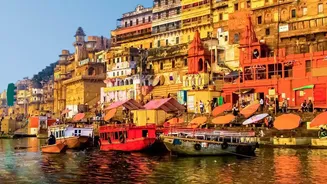
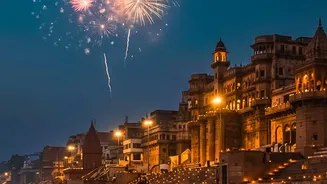
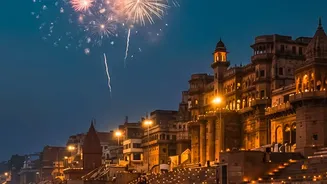
Across Bihar, a massive effort is underway to ensure the safety and comfort of millions. The state government is preparing over 10,500 ghats, cleaning riverbanks, removing silt, and ensuring approach roads are smooth. To manage the immense crowds, authorities have allocated special funds, with ₹8.43 crore approved for urban ghats. Safety is a top priority; dangerous ghats are being barricaded, and disaster response teams (NDRF and SDRF) will be deployed. Provisions for devotees include the installation of thousands of extra lights, hundreds of temporary toilets and changing rooms, and the deployment of medical teams. Private boat operations and the use of firecrackers near ghats have been banned to prevent accidents.
The Ritual of Sandhya Arghya
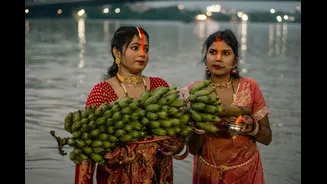
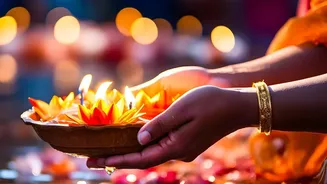
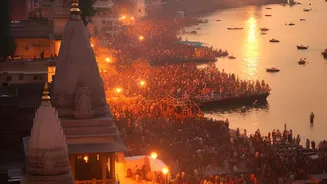
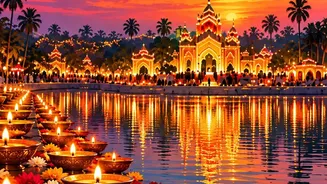
The evening of November 15 will see the culmination of these preparations with 'Sandhya Arghya'—the evening offering. As the sun begins to set, millions of vratis will stand waist-deep in water, offering prayers to Surya Dev. Their families will carry offerings of 'thekua' (a traditional sweet), fruits, and sugarcane in bamboo baskets, known as 'soops'. The ghats will come alive with the glow of countless earthen lamps and the sound of devotional folk songs, creating a deeply spiritual atmosphere that unites everyone present. This ritual is a profound expression of gratitude for the sun's life-sustaining energy.
More Than a Ritual
Chhath is as much a social and cultural event as it is a religious one. It is a time of homecoming, with an estimated one crore people returning to Bihar to celebrate with their families. The festival is known for its remarkable spirit of equality, where distinctions of caste and social status dissolve at the ghats as everyone gathers for the same purpose. It also carries a powerful environmental message. The emphasis on cleaning water bodies and using natural, biodegradable materials like bamboo and clay for rituals makes it one of the most eco friendly festivals in the world.
The Four Day Journey
The festival begins on November 13 with 'Nahay Khay', a day of ritual bathing and preparing a pure, sattvic meal. This is followed by 'Kharna' on November 14, when vratis eat their last meal before beginning the arduous 36 hour fast. The main event, 'Sandhya Arghya', takes place on the third day. The festival concludes before sunrise on November 16 with 'Usha Arghya', the morning offering to the rising sun, after which the devotees break their fast, sharing the prasad with family and friends.