





A Nutritional Powerhouse in Disguise
Though technically a fruit, pumpkin is treated as a vegetable in the kitchen and packs a serious nutritional punch. It is exceptionally rich in beta-carotene, which the body converts into vitamin A, a crucial nutrient for maintaining healthy eyesight,
skin, and a strong immune system. A single cup of cooked pumpkin provides a substantial amount of your daily vitamin A needs for very few calories. Furthermore, pumpkin is an excellent source of dietary fibre, containing around seven grams per cooked cup. This high fibre content aids in digestion, promotes a feeling of fullness that can help with weight management, and helps regulate blood sugar levels. It's also packed with other essential nutrients like vitamin C, potassium, and antioxidants, making it a powerful food for heart health and reducing inflammation.
A Grounding Tradition in Indian Wellness
While the Western world associates pumpkin with autumn lattes, in India, the humble kaddu has long been a staple in kitchens and traditional medicine. In Ayurveda, pumpkin (known as Kūshmāndi) is considered a grounding, cooling, and hydrating food, making it ideal for balancing certain body energies, or doshas. Its sweet taste and cooling properties are thought to be particularly beneficial for balancing the fiery Pitta and airy Vata doshas. The entire plant, from fruit to seeds, is used for its therapeutic properties. Pumpkin seeds, for instance, are nutritional powerhouses in their own right, packed with magnesium, zinc, and healthy fats. The use of pumpkin in Indian cuisine, from savoury sabzis to sweet halwas and even added to sambar, reflects a deep-seated understanding of its value beyond just flavour.
The Psychology of Seasonal Comfort
There's a powerful psychological reason we gravitate towards foods like pumpkin as the seasons change. The appeal of pumpkin spice, for instance, is deeply tied to the senses of smell and memory. The aroma of spices like cinnamon, nutmeg, and ginger can evoke strong feelings of nostalgia, reminding us of family gatherings and festive meals. This creates a sense of comfort and stability. Psychologists note that the limited-time availability of seasonal foods also creates a sense of urgency and novelty, making them more desirable. Embracing these seasonal foods is a way to break from the mundane and connect with the rhythm of the year, providing a comforting ritual as the weather cools and days grow shorter.
Reinventing Your Morning Meal
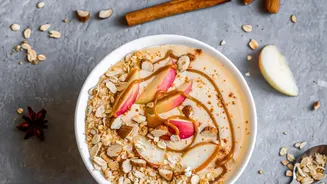
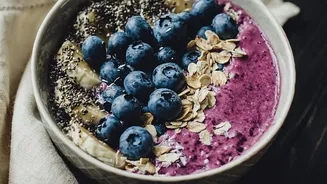
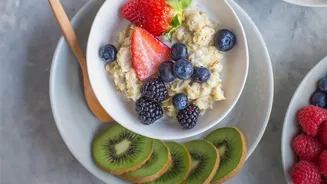
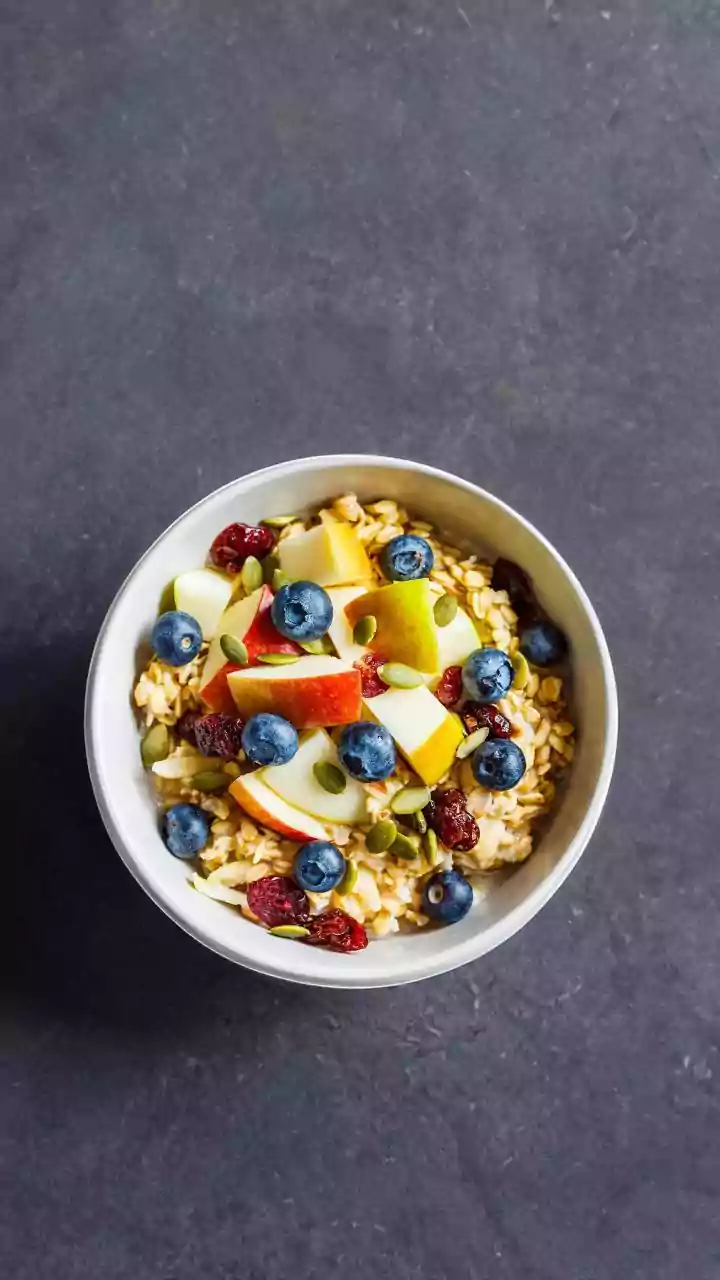
Incorporating pumpkin into your breakfast doesn't have to be complicated or limited to sweet, sugary recipes. Its versatile flavour works well in both sweet and savoury dishes. You can easily add a spoonful of pumpkin puree to your morning oatmeal or porridge for a creamy, nutrient-packed start to the day. Blending it into a smoothie with milk and spices like cinnamon and ginger is another quick and easy option. For a savoury twist, consider making pumpkin-infused dosa or adding it to egg muffins. Even the seeds can be roasted and sprinkled over yogurt or cereal for added crunch and nutrition. By looking beyond the usual suspects, you can unlock a world of healthy and comforting breakfast possibilities.