






The Nutritional Divide
The most significant difference lies in the fat and calorie content. Paneer made from full-fat or whole milk is considerably more calorie-dense. A 100-gram serving typically contains around 300-325 calories and 20-25 grams of fat. In contrast, paneer
made from toned milk offers a lighter alternative, with calories dropping to about 200-250 per 100 grams. If you opt for low-fat or skimmed milk, the calorie count can fall even further to 150-160 calories. Interestingly, the protein content remains relatively similar across the types, with low-fat versions sometimes having slightly more protein per gram simply because the fat has been replaced. For those managing calorie intake or seeking a leaner protein source, toned milk is the clear winner.
The All-Important Yield
Have you ever felt you used a lot of milk for a disappointingly small block of paneer? The type of milk was likely the culprit. Full-fat milk, especially buffalo milk, has a higher content of total solids (fat and protein), which are the components that form the curd. Consequently, it provides a much better yield. On average, one litre of full-fat milk will produce about 180-250 grams of paneer. Toned milk, with its lower fat and solids content, yields significantly less—often just 100-150 grams per litre. In essence, you may need almost double the amount of toned milk to produce the same quantity of paneer you'd get from full-fat milk. This makes full-fat milk a more economical choice if your goal is quantity.
A Tale of Two Textures
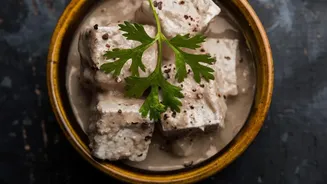
The choice of milk fundamentally shapes the eating experience. The higher fat content in whole milk results in a paneer that is soft, rich, and creamy, with a melt-in-the-mouth quality. This is the paneer you want for standout dishes where its texture can shine, such as Malai Paneer or Paneer Tikka. Paneer made from toned milk is noticeably different. It is firmer, denser, and can sometimes be described as more 'rubbery' or chewy. While it lacks the luxurious creaminess of its full-fat counterpart, this firm texture has its own advantages. It holds its shape exceptionally well, making it perfect for dicing into curries that require a lot of stirring, crumbling for bhurji, or using as a filling in parathas and sandwiches.
Making the Right Choice for Your Dish
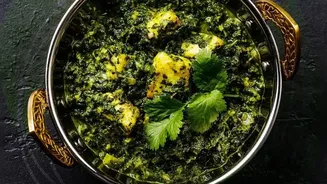
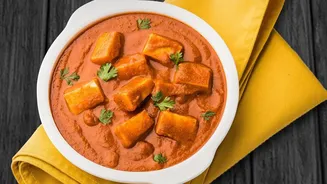
So, which milk should you use? The answer depends entirely on your priority. For indulgent, celebratory dishes where the paneer is the hero, full-fat milk is non-negotiable. It delivers the superior taste and soft texture that defines classic recipes like Shahi Paneer. The extra calories are justified by the richer flavour and mouthfeel. For everyday cooking, health-conscious meals, or recipes where paneer's texture is less critical, toned milk is an excellent, practical option. Its firmness is a benefit in dishes like Palak Paneer, where you want the cubes to remain intact, or in paneer bhurji, where a crumbly texture is desired. It allows you to enjoy paneer more frequently without a high calorie and fat load.