



Seed cycling is a popular wellness practice that claims to balance hormones and ease symptoms like PMS. But what does the science say? Let's break down the theory, the evidence, and what you should know before you start sprinkling.
What Exactly Is Seed Cycling?
Seed cycling is a dietary
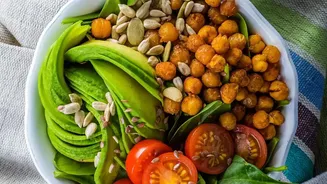
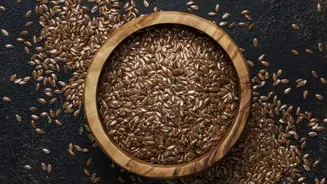
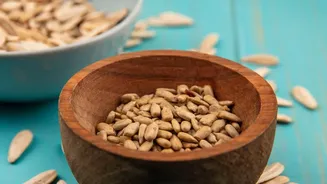
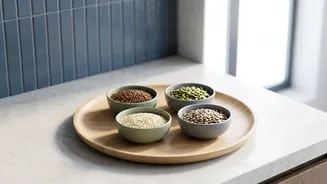
approach that involves eating specific seeds during the two main phases of the menstrual cycle. The goal is to naturally support your body’s production of estrogen and progesterone. The protocol is straightforward: during the first half of your cycle, the follicular phase (from day 1 of your period to ovulation, roughly days 1-14), you consume about one tablespoon each of ground flax and pumpkin seeds daily. Then, for the second half, the luteal phase (from ovulation until your next period, roughly days 15-28), you switch to one tablespoon each of ground sesame and sunflower seeds. You can add them to smoothies, oatmeal, or salads. The practice has gained traction online as a gentle, food-based way to address everything from irregular periods and PMS to symptoms of PCOS and menopause.
The Theory Behind the Rotation
The logic behind seed cycling is based on the nutritional properties of the seeds themselves. During the follicular phase, flax and pumpkin seeds are chosen for their potential to support healthy estrogen levels. Flaxseeds are particularly rich in lignans, which are plant compounds known as phytoestrogens. The theory is that these lignans can bind to excess estrogen, helping to excrete it, or provide a weak estrogenic effect when levels are low, thereby promoting balance. Pumpkin seeds are high in zinc, a mineral that is thought to support progesterone production, which becomes important as the body prepares for the second half of the cycle. In the luteal phase, the focus shifts to progesterone support. Sesame seeds, which also contain lignans, and sunflower seeds, rich in vitamin E and selenium, are thought to help boost progesterone production. Vitamin E may help with progesterone production, while selenium supports the liver in detoxifying excess estrogen.
What the Research Says (or Doesn't)
Here's where things get complicated. Despite countless anecdotal reports of success, there are no large-scale, high-quality clinical trials that have studied the specific practice of seed cycling as a complete protocol. Most of the evidence is theoretical or based on research into the individual seeds, not the rotational practice itself. For example, while flaxseeds and their lignans have been studied for their effects on hormones, particularly in postmenopausal women or for breast pain, the results are often inconsistent and not directly applicable to balancing hormones in a regular menstrual cycle. A 2025 systematic review found some limited evidence that seed cycling might help with PMS and PCOS, but the authors stressed that the evidence was of moderate quality and based on small studies. Ultimately, the scientific community agrees that there's just not enough robust evidence to confirm that the act of rotating seeds has a direct, significant impact on hormone levels or menstrual symptoms.
Are There Any Real Benefits?
Even without strong clinical proof, trying seed cycling isn't necessarily a waste of time. For starters, the four seeds involved are nutritional powerhouses. They are excellent sources of fibre, healthy fats, vitamins, and minerals that are beneficial for overall health, not just hormonal balance. Incorporating more whole foods and fibre into your diet can improve digestion and support general well-being. Furthermore, the practice encourages you to track your menstrual cycle and become more aware of your body's natural rhythms, which is a positive health behaviour in itself. Some of the reported benefits could also be attributed to the placebo effect, where the belief in a treatment leads to real perceived improvements. Given that the practice is low-risk for most people (unless you have a seed allergy), many feel there's little harm in trying.