




What Exactly Is Sevai?
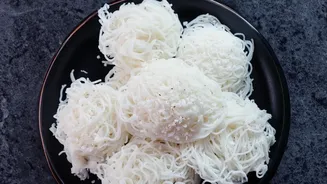
Sevai is a type of rice vermicelli, or string hopper, popular across Southern India, especially in Tamil Nadu and Karnataka. Made from rice, these fine, delicate strands are known for being fluffy, light, and incredibly versatile. While they might look
similar to idiyappam, there's a key difference in their preparation. Traditionally, idiyappam is made from raw rice flour dough that is pressed into noodles and then steamed. Sevai, on the other hand, is typically made by steaming cooked rice dumplings and then pressing them into noodles, a process of double cooking that gives them a unique texture. The name itself, also known as santhakai, refers to these broken-up, seasoned noodles, whereas idiyappam is often served as coiled nests.
A Labour of Love
For generations, making sevai from scratch was a significant undertaking. The traditional process was famously laborious, often requiring several people. It started with soaking parboiled rice for hours, grinding it into a fine paste, and then cooking this paste into a thick dough. This dough was then formed into dumplings and steamed until fully cooked. The final, and most strenuous, step involved feeding these hot dumplings into a 'sevai nazhi,' a large, often brass, hand-cranked press. One person would hold the device steady while another turned the handle with considerable force to extrude the fine noodles. This effort-intensive process meant sevai was usually reserved for festivals, weddings, or special family gatherings, not an everyday breakfast.
The Instant Revolution
The game-changer for sevai was the arrival of instant, pre-packaged versions. Brands like MTR, Anil, and others began offering dried rice vermicelli that drastically cut down the preparation time. Instead of a multi-hour process involving soaking, grinding, and pressing, one could now simply boil the ready-made sevai for a few minutes, drain, and it was ready to be seasoned. This convenience revolution was pivotal. It moved sevai from being a once-in-a-while treat to a dish that could be prepared in under 30 minutes, making it a viable option for a quick breakfast, dinner, or tiffin. This newfound accessibility paved the way for its next evolution.
A Canvas for Countless Flavors
The true beauty of sevai lies in its neutrality; the plain noodles are a perfect canvas for a wide array of flavors. This versatility is what makes it so suitable for the street-food format, where quick, varied, and flavorful options are key. Vendors and small eateries can prepare a large batch of plain sevai and then quickly toss it in different seasonings to order. Some of the most popular savory variations include lemon sevai, with a tempering of mustard seeds, lentils, and a citrusy kick. Coconut sevai offers a milder, nutty flavor with grated coconut and cashews. Tamarind sevai provides a tangy profile, similar to puliyogare rice, while tomato sevai offers a savory, masala-infused taste. There are even sweet versions, served with coconut milk and sugar or jaggery.
From Kitchen Staple to Street Star
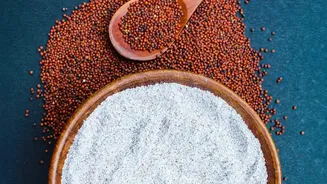
So why is sevai experiencing this resurgence now? Several factors are at play. The shift towards healthier, steamed, and non-fried breakfast options has made sevai an attractive alternative to other morning staples. Its gluten-free nature (when made from rice) also appeals to a wider audience. Furthermore, there's a growing trend across India of modernizing traditional foods, making them more convenient for today's fast-paced lifestyles. The availability of instant sevai made from other grains like ragi (finger millet) and other millets has also broadened its appeal as a nutritious option. The street-style preparation, offering a quick, customizable, and comforting meal, perfectly aligns with the demands of modern urban consumers, transforming this once-hidden gem into a breakfast star.