


The Hidden Dangers of a Mismatch
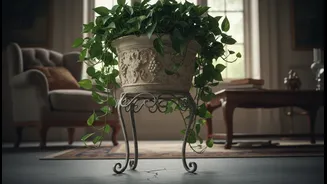
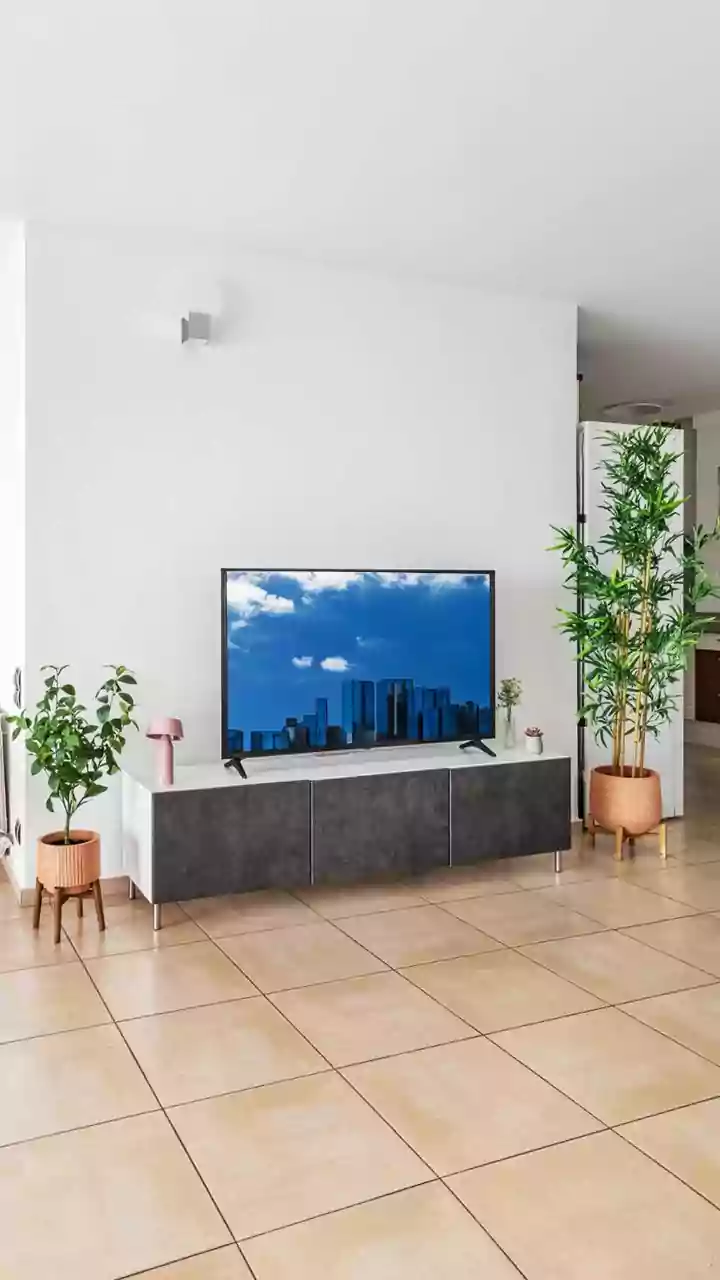
It seems harmless enough: a beautiful ceramic pot perched on an elegant, spindly stand. Aesthetically, it might be perfect. Functionally, it can be a disaster waiting to happen. The primary risk is a high centre of gravity combined with insufficient support.
A top-heavy setup is inherently unstable and can be easily knocked over by a curious child, a playful pet, or even a slight bump while cleaning. The consequences range from a messy spill of soil and a shattered pot to serious damage to your flooring and, most importantly, a risk of injury. Many decorative stands are designed for appearance, not for significant weight-bearing tasks. A large terracotta pot filled with moist soil can weigh over 25 kilograms, a load many stylish but delicate stands are simply not built to handle.
How to Identify a Weak Stand
Before you place your next plant, take a moment to assess the stand. A weak or unstable stand often has tell-tale signs. First, give it a gentle shake. Does it wobble or feel unsteady? Any movement is a red flag. Examine its construction. Stands made from thin metal wires, lightweight bamboo without reinforcement, or particle board are generally not suitable for heavy loads. Look at the design. A narrow base, especially on a tall stand, is a recipe for instability. The wider the base, the more stable the structure. Also, check for the quality of the joints. Welded joints on metal stands should be solid, and connections on wooden stands should be tight and secure, not loose or glued flimsily.
The Anatomy of a Sturdy Support
So, what does a strong stand look like? It starts with the material. Wrought iron, solid wood, and heavy-duty steel are excellent choices for supporting significant weight. These materials are durable and provide a solid foundation. Look for stands with a low profile and a wide, stable base that distributes the pot's weight evenly. Some heavy-duty stands are rated to hold up to 100 kg or more. Cross-bracing between the legs adds significant structural integrity. For very large planters, a low, solid platform or a stand with multiple legs is far safer than a tall, single-pedestal design. Always check for a manufacturer's specified weight capacity if available; it’s the most reliable indicator of what the stand can safely manage.
Calculating Your Plant's True Weight
The pot itself is only part of the weight equation. A common mistake is underestimating the mass of the soil and water. Moist soil is significantly heavier than dry soil. A large ceramic or terracotta pot, prized for its classic look, adds considerable weight on its own. When you add kilograms of damp soil and the water from a recent watering, the total load can easily triple. For heavier plants, consider using lighter pots made from fiberglass or high-quality plastic, which can mimic the look of stone or ceramic without the intense weight. This simple switch can make a stand that was previously unsuitable a much safer option.
Safe and Stylish Alternatives
If you have a large, heavy plant you love, you don't have to sacrifice style for safety. There are many excellent ways to display it. The simplest solution is placing the large pot directly on the floor, perhaps in a corner or next to a piece of furniture where it can be a statement piece. Low, sturdy wooden benches or stools can elevate a heavy pot slightly without creating a tipping hazard. For very heavy planters, consider a rolling plant caddy. This not only provides a stable, low-to-the-ground base but also makes it easy to move the plant for cleaning or to catch more sunlight. Grouping plants of various sizes, with the largest on the floor and smaller ones on stands or shelves, creates a visually appealing and safe display.