




The Land of the Midnight Sun
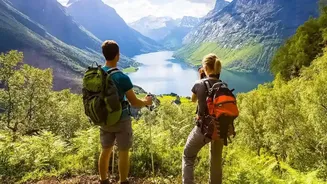
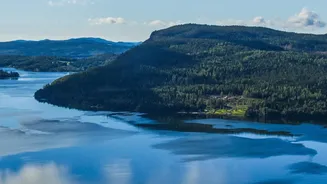
Swedish Lapland, a vast Arctic territory, transforms into a hiker's paradise during the summer months. From late May to mid-July, the phenomenon of the midnight sun provides 24 hours of daylight, offering endless time to explore the dramatic mountains,
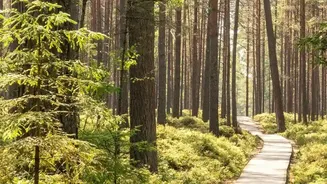
ancient forests, and sprawling tundra. The main hiking season typically runs from June to September, when the trails are mostly free of snow and the weather is at its most pleasant. This is the heart of 'friluftsliv'—the Swedish philosophy of embracing the outdoors. Whether you are a seasoned trekker or a beginner, Lapland's trails offer a profound connection with nature.
The King of All Trails: Kungsleden
Arguably Sweden's most famous hiking route, the Kungsleden, or "The King's Trail," stretches approximately 440 kilometres from Abisko in the north to Hemavan in the south. Most trekkers, however, choose to hike it in sections. The most popular segment is the northernmost 106-kilometre stretch from Abisko to Nikkaluokta, a journey that typically takes about a week. This part of the trail is well-marked and features a network of mountain huts (fjällstugor) managed by the Swedish Tourist Association (STF), spaced a day's walk apart. The landscape is breathtakingly varied, taking you through lush birch forests, across open alpine plateaus, and past Sweden's highest peak, Kebnekaise. While rewarding, be prepared for challenges like river crossings and the occasional steep ascent.
A Quieter Path: The Padjelanta Trail
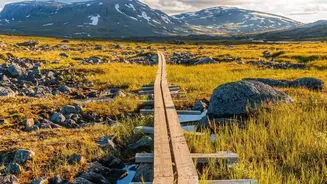
For those seeking more solitude, the Padjelantaleden, or Padjelanta Trail, offers a magnificent alternative. At about 140 kilometres, this trail runs through Padjelanta National Park, Sweden's largest national park and part of the Laponia UNESCO World Heritage Site. The name means 'the higher land' in the indigenous Sámi language, and the trail is known for its vast, open highlands, sprawling lakes, and rich flora. Considered less strenuous than the Kungsleden with less elevation gain, it's well-suited for beginners with some outdoor experience. The trail is also a journey through Sámi culture, passing summer settlements and ancient reindeer grazing lands. While there are huts along the route, it sees far fewer visitors, ensuring a peaceful and immersive wilderness experience.
The Ultimate Wilderness: Sarek National Park
If you are an experienced trekker seeking a true challenge, Sarek National Park is Europe's last great wilderness. This is not a place for the unprepared; there are no marked trails, no huts, and no amenities. With over 100 glaciers and six of Sweden's highest peaks, its terrain is as dramatic as it is demanding. A trek here requires excellent navigation skills with a map and compass, self-sufficiency with a tent and provisions for your entire trip, and experience with challenging river crossings. The reward for this effort is unparalleled solitude and the thrill of exploring a truly wild and untouched landscape, where you are more likely to encounter moose and birds of prey than other people.
Preparing for Your Arctic Adventure
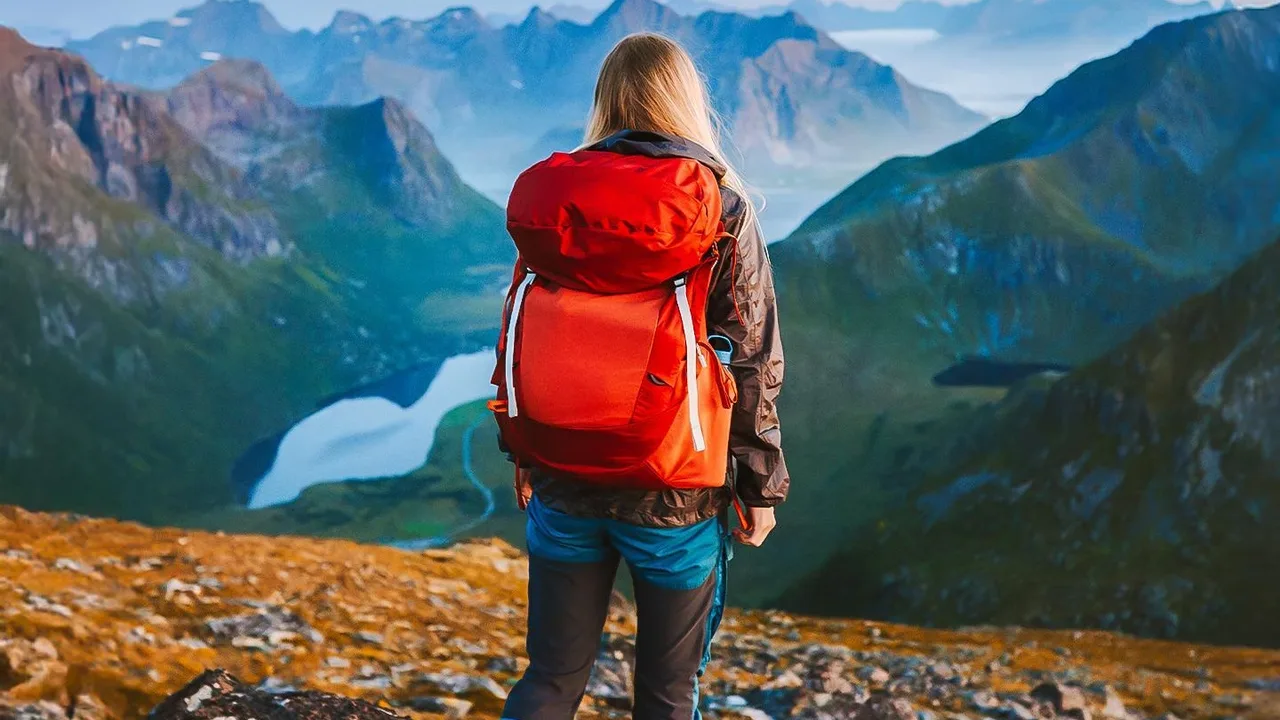
A summer trek in Lapland requires careful preparation. The weather can change in an instant, with sunshine giving way to cold winds and rain, or even snow at higher elevations. Layering is key: bring a base layer, a fleece or wool mid-layer, and a waterproof and windproof shell jacket and trousers. Sturdy, waterproof hiking boots are non-negotiable. While the midnight sun provides light, mosquitoes can be relentless, especially in July, so a head net and effective repellent are essential. Always carry a physical map and compass, as mobile coverage is non-existent in most mountain areas. Finally, respect the sensitive Arctic environment by following Leave No Trace principles, packing out everything you bring in.