
A World Heritage Wilderness
Covering a vast area shared by Romania and Ukraine, the Danube Delta is the second-largest and best-preserved river delta in Europe. This immense labyrinth of water and land, composed of rivers, channels, lakes, marshes, and reedbeds, has been forming
for thousands of years. In recognition of its incredible natural value, it was designated a UNESCO World Heritage Site and a Biosphere Reserve. With over 5,500 species of flora and fauna, its biodiversity is exceeded only by the Great Barrier Reef and the Galápagos Islands, making it one of the most vital natural sanctuaries on the planet.
Paradise for Birdwatchers
The Delta is most famous for its staggering bird population. Over 300 species of birds can be found here, making it a dream destination for birders. It serves as a crucial stopover and breeding ground for migratory birds traveling between Europe, the Middle East, and Africa. The reserve is home to the largest number of white and Dalmatian pelicans in Europe, and watching hundreds of these huge birds fishing in unison is an unforgettable spectacle. You can also spot pygmy cormorants, white-tailed eagles, glossy ibises, and purple herons in this avian paradise.
A Landscape of Water and Reeds
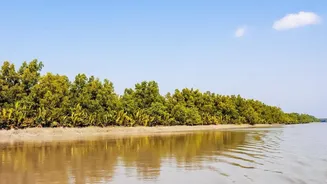
The defining feature of the delta is its immense expanse of reed beds, the largest in the world. These reeds form both fixed and floating islands, known locally as 'plaur', creating a unique and ever-changing landscape. Navigating the maze of channels by boat is the primary way to experience the delta's soul. As you glide through the water, the world transforms into a serene environment of rustling reeds and birdsong. The delta is split into three main arms—Chilia, Sulina, and Sfântu Gheorghe—each offering different scenery and experiences.
The Unexpected Forest on Sand
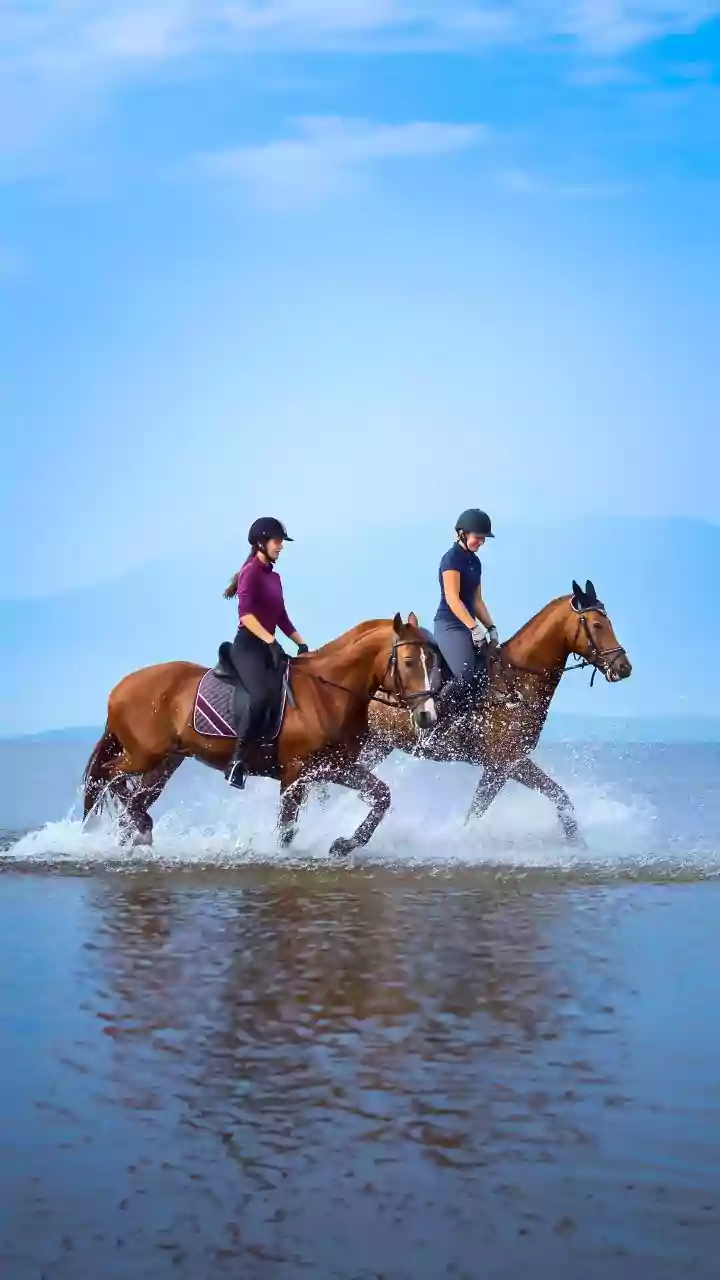
Hidden within this wetland is a truly bizarre and magical place: the Letea Forest. It is the northernmost subtropical forest in Europe and one of Romania's oldest nature reserves. Here, ancient oak trees, twisted by time, grow on saltwater sand dunes alongside lianas and other climbing plants, creating a scene that feels almost tropical. This unique ecosystem is also home to herds of wild horses, adding to the enchanting and untamed atmosphere of the forest. Getting there requires a boat trip followed by an off-road vehicle, making the journey an adventure in itself.
A Culture Shaped by the River
The Danube Delta is not just a wilderness; it is also a place of human culture, where life moves at a different pace. Scattered fishing villages like Mila 23, Sfântu Gheorghe, and Crisan are home to communities, such as the Lipovans, who have preserved a traditional way of life for centuries. Fishing is more than a job here; it's an art passed down through generations. A visit offers a taste of this authentic culture, from the traditional houses painted blue and green to the delicious local cuisine, which unsurprisingly features an abundance of fresh fish dishes like 'storceag', a sturgeon-based soup.