







The Daily Habit and the Hidden Risk
Enjoying a hot beverage is a cultural cornerstone in India and across the world. From morning chai to a comforting coffee break, it's a routine steeped in tradition and simple pleasure. However, emerging scientific consensus suggests that the temperature
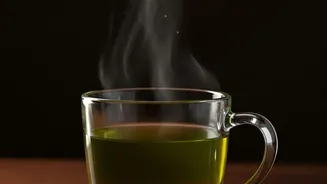
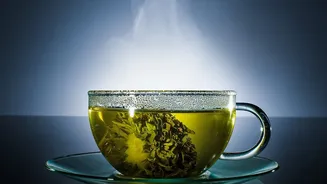
of these drinks, more than the drinks themselves, deserves our attention. The International Agency for Research on Cancer (IARC), part of the World Health Organization, has classified consuming 'very hot' beverages as a probable cause of oesophageal cancer. This finding doesn't target coffee or tea but rather the practice of drinking any beverage at scalding temperatures, a habit which can cause repeated, low-grade injury to the delicate lining of our food pipe.
How Heat Harms the Oesophagus
The oesophagus is the muscular tube that carries food and liquid from your throat to your stomach. Its inner lining is not designed to handle extreme heat. When you repeatedly drink liquids at scalding temperatures, you can cause what is known as thermal injury. This isn't a one-time, severe burn but rather a chronic process of damaging the cells. Each time these cells are damaged by heat, the body must repair and replace them. Over many years, this constant cycle of injury and regeneration can lead to errors in the new cells that are created. These abnormal cells can eventually grow without the usual checks and balances, which is the fundamental process behind the development of cancer.
The Link to Oesophageal Cancer
The primary long-term concern associated with thermal injury from hot drinks is an increased risk of a specific type of cancer: oesophageal squamous cell carcinoma (SCC). This is distinct from adenocarcinoma, another form of oesophageal cancer more commonly linked to chronic acid reflux in Western countries. Multiple large-scale studies have solidified this connection. Research in regions where drinking very hot tea is common, such as Iran, China, and South America, found that individuals who consumed beverages at temperatures above 60–65°C had a significantly higher risk of developing SCC. A recent and extensive UK-based study published in the International Journal of Cancer reinforced these findings, showing that people who prefer 'very hot' drinks could have up to a threefold greater risk of SCC compared to those who drink them 'warm'. The risk also appears to increase with the quantity, with daily consumption of six or more hot drinks showing a notable rise in risk.
What Temperature Is Considered 'Too Hot'?
The critical temperature threshold identified by researchers is generally above 65°C (149°F). The IARC classifies beverages consumed above this temperature as 'probably carcinogenic'. To put this in perspective, coffee is often brewed at much higher temperatures, but it is typically served and consumed below this threshold. Liquids hotter than 65°C are often above the human pain threshold, meaning they would feel uncomfortably hot or scalding to most people. The danger lies in consistently overriding this natural discomfort and drinking beverages while they are still steaming hot. Studies have shown that even a drink at 65°C can raise the internal temperature of the oesophagus significantly, especially with larger sips.
Other Health Issues Beyond Cancer
While cancer is the most severe long-term risk, repeated thermal injury can lead to other oesophageal health problems. This includes chronic inflammation, known as esophagitis, which can cause symptoms like pain, difficulty swallowing (odynophagia), and a persistent burning sensation. In some acute cases, very hot food or drink can cause immediate burns, blistering, and the formation of a whitish layer called a pseudomembrane on the oesophageal lining. While these acute injuries are often reversible, they underscore the vulnerability of the oesophagus to thermal damage. Chronic inflammation itself is considered a risk factor for more serious cellular changes over time.
Simple Adjustments for Safer Sipping
The good news is that reducing this risk doesn't require giving up your favourite beverages. The solution is simple and entirely behavioural. Health experts recommend waiting a few minutes for your drink to cool down from 'scalding' to 'warm' before you start sipping. Adding a splash of cold milk to your tea or coffee is another effective way to lower the temperature instantly. Pay attention to your body's signals; if a drink feels too hot to hold comfortably or burns your tongue, it's definitely too hot for your oesophagus. By adopting these small, mindful habits, you can continue to enjoy the comfort and ritual of a hot drink without compromising your long-term health.