





The Festival of Devotion
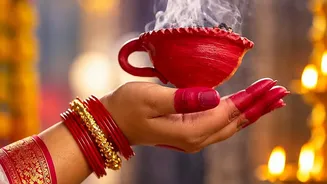
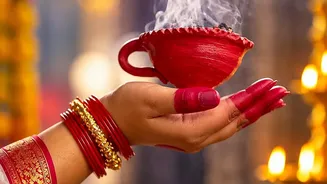
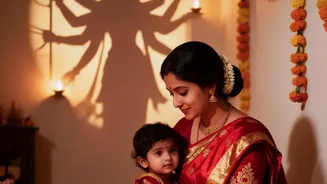
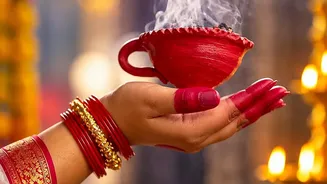
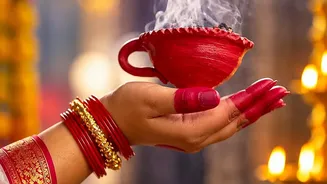
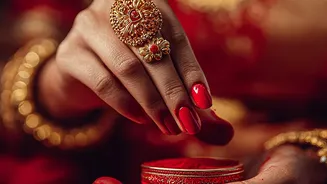
Karwa Chauth is a significant one-day festival celebrated by Hindu women, primarily in North India. It falls on the fourth day after the full moon in the Hindu month of Kartik. On this day, married women observe a strict fast from sunrise to moonrise,
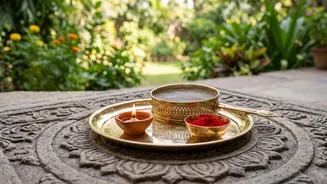
abstaining from both food and water, to pray for the longevity and well-being of their husbands. The day is filled with rituals, community gatherings, and prayers, but central to the evening puja is the narration of a special story, or 'vrat katha'. While several legends are associated with the festival, the most prominent one is the story of Queen Veeravati.
The Beloved Queen Veeravati
The story begins with a beautiful queen named Veeravati, the only and much-loved sister of seven brothers. During her first Karwa Chauth after marriage, she was visiting her parents' home and undertook the rigorous fast. As the day wore on, having gone without food or water since sunrise, the delicate queen began to feel faint and weak from overwhelming hunger and thirst. She eagerly awaited the moonrise, which would signal the end of her fast.
A Deception Born of Love
Seeing their sister's distress, Veeravati's seven brothers were heartbroken. Unable to bear her suffering any longer, they devised a plan to lovingly trick her into breaking her fast. One of the brothers climbed a distant pipal tree, holding a mirror and a lamp to create the illusion of a risen moon in the dark sky. They convinced their sister that the moon had appeared and that she could now eat. Trusting her beloved brothers, the gullible Veeravati broke her fast.
The Heartbreaking Consequence
Tragically, the moment Veeravati took a bite of food, ill omens appeared. Soon after, a messenger arrived with the terrible news that her husband, the king, had passed away. Heartbroken, Veeravati rushed towards her husband's kingdom. On her journey, she encountered Lord Shiva and Goddess Parvati (or in some versions, the goddess Indrani). Parvati revealed the truth: her husband's demise was a direct result of her breaking the fast by seeing a false moon.
A Penance for Redemption
Veeravati begged for forgiveness and a way to save her husband. Taking pity on her sincere remorse, the goddess granted her a chance at redemption. She instructed Veeravati that her husband would be revived, though he would remain ill. In one version of the tale, she found him with needles piercing his body. The goddess advised her to observe the fast with absolute faith and strictly follow all rituals. Veeravati diligently cared for her husband and observed a monthly fast for a full year. When the next Karwa Chauth arrived, she performed the fast with complete devotion.
Why the Story Endures
This time, Veeravati waited for the real moon to rise and completed her fast correctly. Her unwavering devotion and faith paid off, and her husband was miraculously restored to life. This story is retold every year as both a source of inspiration and a cautionary tale. It underscores the core values of the festival: patience, true devotion, and the importance of adhering to the rituals. The brothers' love was pure, but their impatience led to disaster, teaching that the fast is a test of resolve that must be completed with integrity. The katha serves as a spiritual framework, reminding observers that sincere faith can overcome any obstacle.