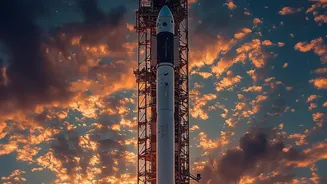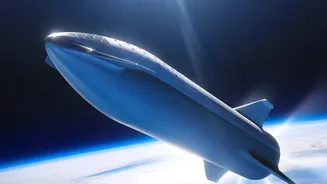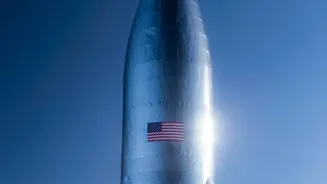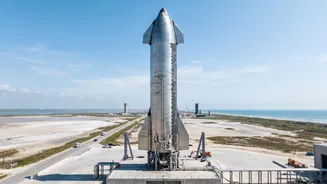


In a landmark achievement for spaceflight, SpaceX has successfully caught its Starship upper stage for the first time, turning a science-fiction dream into a stunning reality. This single maneuver fundamentally changes the future of reusable rockets.
A 'Holy Grail' Moment in Texas
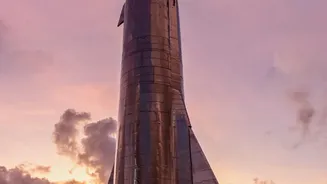
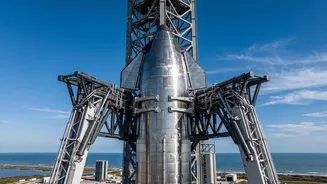
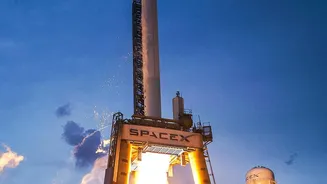
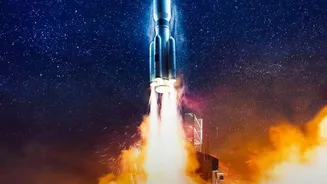
On November 14, 2026, after spending over 22 hours in orbit, the Starship upper stage, known as Ship 42, descended through the clouds over Starbase, Texas. Instead of splashing down in the ocean, it performed a series of complex maneuvers. The vehicle executed a horizontal 'belly flop' to slow its atmospheric reentry before dramatically flipping upright, igniting its Raptor engines to hover with pinpoint precision. Then, two massive mechanical arms on the launch tower, nicknamed 'Mechazilla', closed around the 52-meter-tall vehicle, securing it in mid-air. The successful catch, which took place during the 15th test flight of the Starship system, was hailed as a historic first. While the mission's Super Heavy booster was not recovered due to an aborted burn, the successful recovery of the orbital stage itself marks a monumental step forward. As one emotional SpaceX commentator put it during the live broadcast, 'We caught a Starship, and now everything changes'.
Meet 'Mechazilla': The Rocket-Catching Tower
The idea of a launch tower catching a returning rocket once seemed like pure fantasy. Proposed by CEO Elon Musk around 2020, the system is designed to eliminate the need for heavy landing legs on the rocket, saving mass that can be used for payload instead. The tower, standing roughly 145 meters tall, is equipped with two giant arms, widely called the 'chopsticks'. These arms are not just static supports; they are a dynamic system capable of moving vertically and extending to capture both the Super Heavy booster and the Starship upper stage. The process is entirely autonomous, relying on precise coordination between the returning rocket's guidance systems and the tower's machinery. The vehicle must steer itself to a fixed point in space with incredibly tight tolerances, where the arms absorb its momentum and secure it on specially designed hard points. While SpaceX had previously caught three Super Heavy boosters, catching the upper stage, which returns from orbital velocity at much higher speeds, presented a far greater engineering challenge.
Why This Catch Unlocks the Future
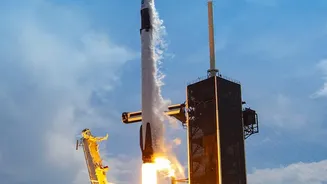
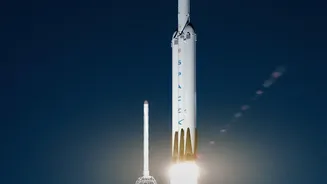
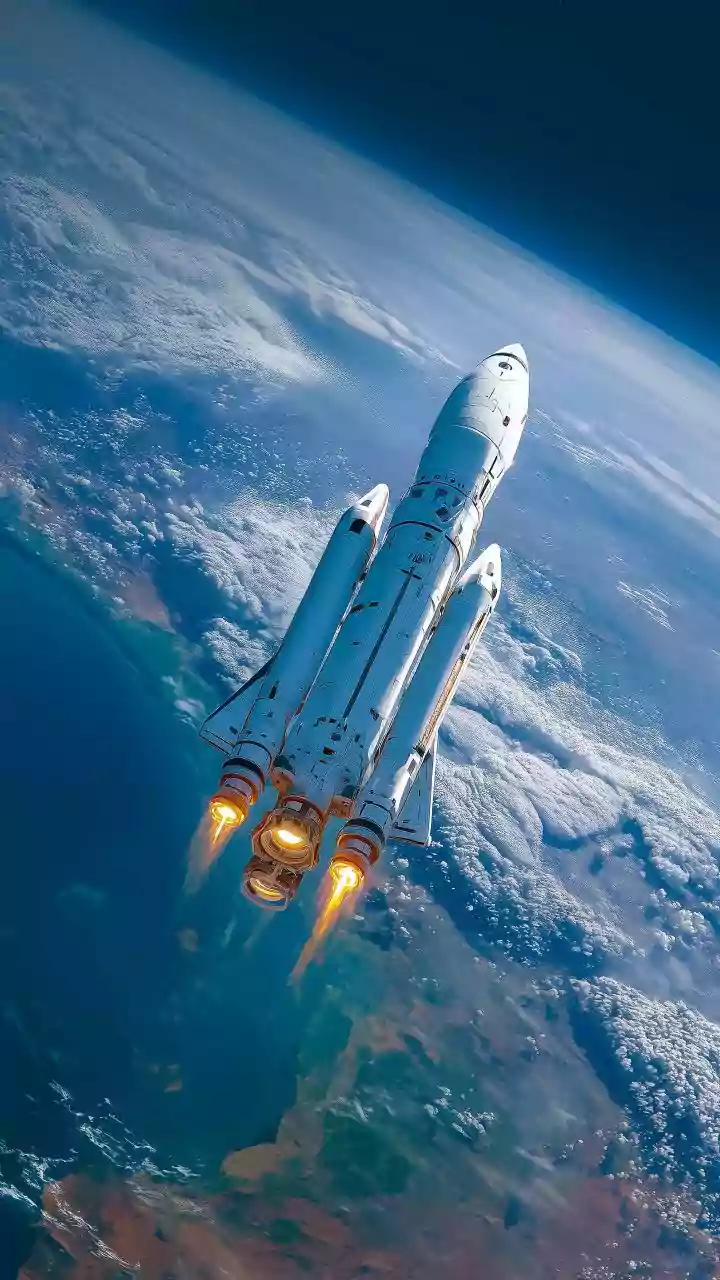
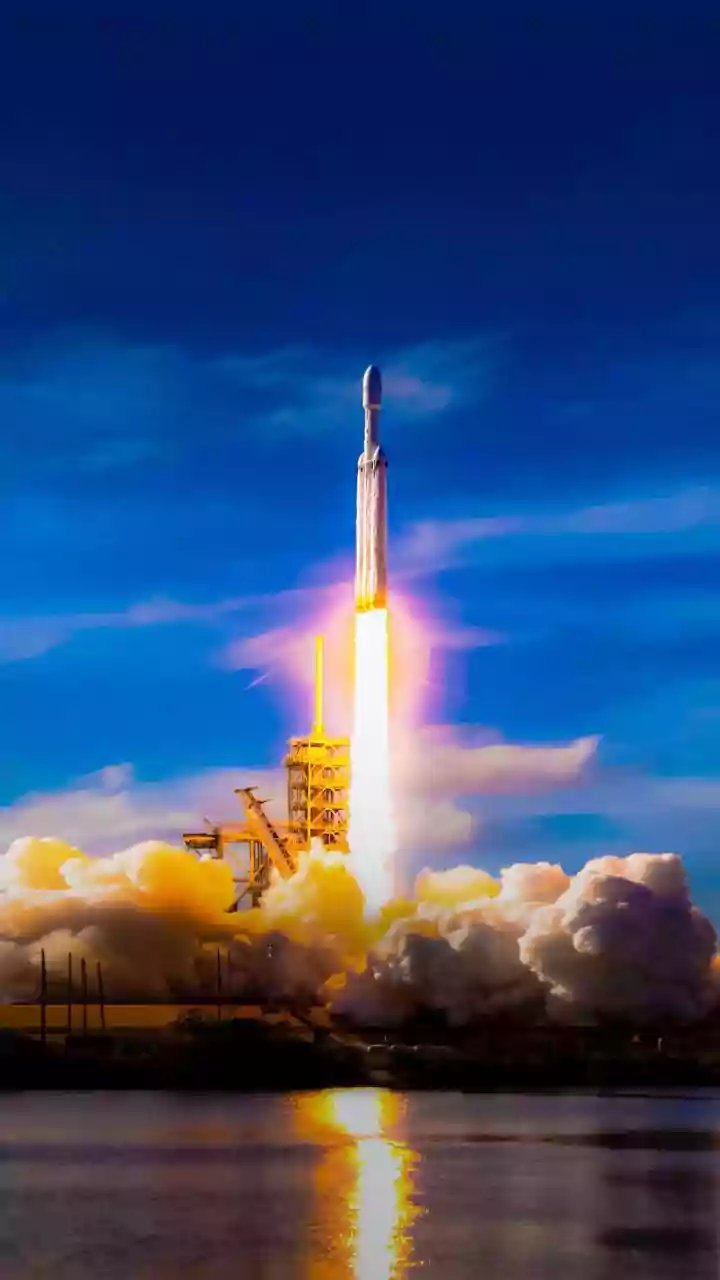
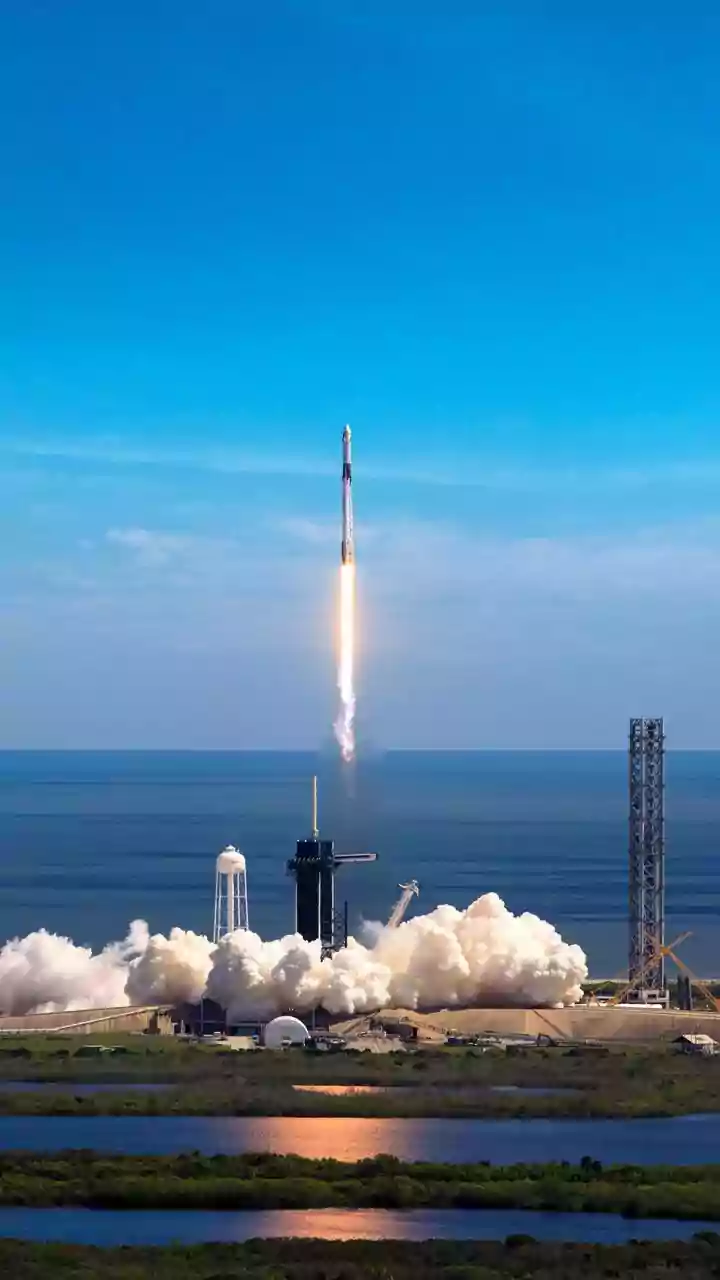
Catching the upper stage is considered the 'missing link' for making spaceflight truly and rapidly reusable, akin to commercial air travel. SpaceX's workhorse Falcon 9 rocket already reuses its first-stage booster, which dramatically cut launch costs. However, its upper stage is discarded after every flight. Starship is designed to be the world's first fully reusable transportation system, where both the booster and the spacecraft return to the launch pad ready for another flight. Recovering the upper stage without a lengthy and expensive ocean retrieval is the key to this vision. A successful and rapid turnaround on the launch pad would enable an unprecedented launch frequency. This high cadence is essential for SpaceX's two primary goals: deploying thousands more satellites for its Starlink internet constellation and, ultimately, building the infrastructure needed to establish a human presence on Mars.
The Path from South Texas to Mars
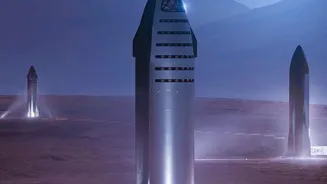
This successful catch is more than just a technical demonstration; it's a critical validation of the entire Starship architecture. Elon Musk has consistently stated that full and rapid reusability is the fundamental breakthrough needed to make humanity a multi-planetary species. Without the ability to refly the entire vehicle quickly and cheaply, the cost of sending the necessary volume of cargo and people to Mars would be prohibitive. The success of Flight 15 proves that the concept is viable. The achievement also has major implications for NASA's Artemis program, which has contracted SpaceX to develop a modified Starship as the lunar lander to return astronauts to the Moon. While the historic Ship 42 itself will be retired for public display, its successful mission paves the way for future Starships to be caught, refueled, and launched again, moving the dream of interplanetary settlement one giant leap closer to reality.