




India's Land of the First Light
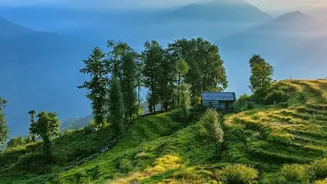
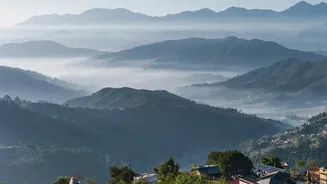
Tucked away in the Anjaw district, Dong Valley holds the certified distinction of being the first inhabited place in India to see the morning sun. This geographical superlative isn't just a trivia point; it's an experience that draws intrepid travellers
to this frontier region. The valley, home to the small Dong village inhabited by the Meyor tribe, first gained national attention during the turn of the millennium, when people gathered to witness the first sunrise of the year 2000. Situated at an elevation of 1,240 metres, the ridgelines above the village catch the day's first rays, painting the sky in fiery hues while the rest of the subcontinent waits for dawn. Depending on the season, this magical moment can occur as early as 4:00 AM in summer or around 5:30 AM in winter.
The Pre-Dawn Trek to Millennium Point
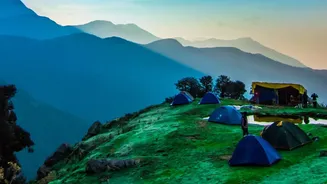
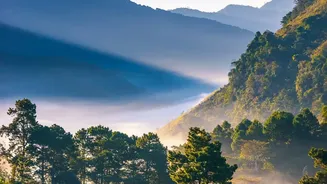
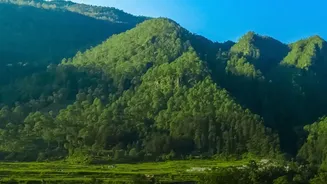
Witnessing the sunrise at Dong is not a roadside affair; it requires a dedicated trek that begins in the dead of night. Most travellers start their journey from Walong, the nearest town, setting off around 2 AM. The trek itself is an 8-kilometre climb up a steep, pine-forested ridge to a viewpoint often called Millennium Point. Guided by local Meyor villagers, hikers navigate the dark with headlamps, the anticipation building with every step. The trail crosses a tributary of the Lohit river via a suspension bridge before ascending to the vantage point. Reaching the peak before sunrise, you're rewarded with a panoramic spectacle as the sun emerges over the mountains, casting its golden light across the pristine landscape. This challenging but rewarding hike is the heart of the Dong Valley experience.
Planning Your Journey to the East
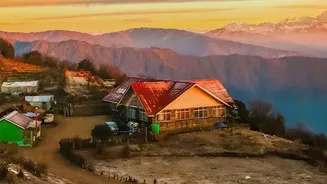
Reaching Dong Valley is an adventure in itself, requiring careful planning. The nearest major airport and railway station are in Dibrugarh and Tinsukia in neighbouring Assam, respectively. From there, it's a multi-day road trip to Walong, the base for the Dong trek. The journey takes you through Tezu, the last major town with reliable services like ATMs and fuel stations. Accommodation near Dong is basic, consisting mainly of government guesthouses and a few homestays in Walong or the nearby village of Tilam. Staying at the PWD Guest House in Tilam is particularly convenient as it is located right at the trailhead. Indian citizens must obtain an Inner Line Permit (ILP) to enter Arunachal Pradesh, and since Dong is in a border area, an additional Protected Area Permit (PAP) may be required, which is often best arranged through a tour operator.
Beyond the Sunrise: Exploring the Anjaw District
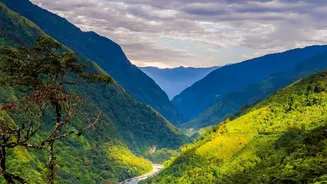
While the sunrise is the main draw, the region around Dong offers much more. Walong itself is steeped in history, known for its war memorial commemorating the 1962 Sino-Indian War. From Walong, you can drive further to the border villages of Kibithu and Kaho, offering stunning views of the Lohit River and a glimpse into life at India's easternmost frontier. The area is also a paradise for nature lovers, with hot springs in Tilam, pristine forests, and opportunities for birdwatching. The culture of the local Mishmi and Meyor tribes is another highlight, with their unique traditions and warm hospitality adding depth to the travel experience. Exploring these surrounding areas provides a fuller picture of this remote and beautiful corner of India.