



Beyond the Six-Pack: What is Your Core?
Before diving into the workouts, it's crucial to understand what the core really is. It’s not just the rectus abdominis, the muscle responsible for a visible six-pack. Your core is a complex system of deep muscles that wrap around your torso like a corset,
including the transverse abdominis, obliques, pelvic floor, and muscles in your lower back. This muscular network is the centre of your body, connecting your upper and lower halves and providing stability for nearly every move you make, from bending down to tie your shoes to lifting groceries.
The Gentle Strength of Pilates
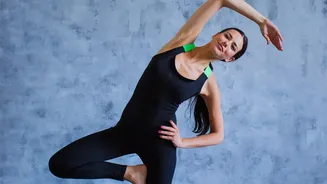
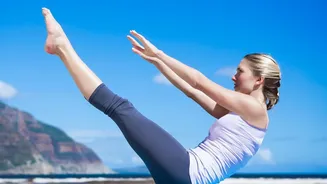
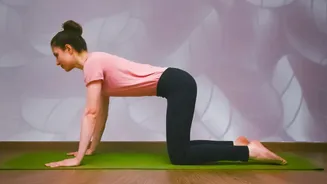
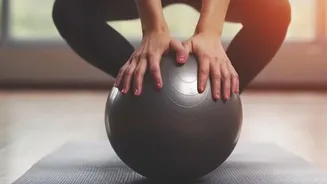
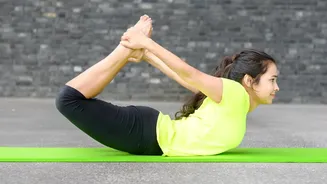
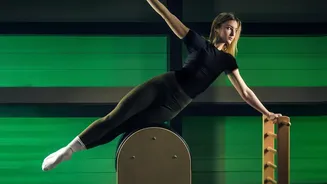
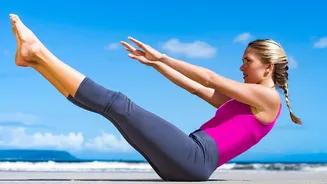
Pilates is renowned for its focus on control, precision, and breath. This method excels at activating the deep, stabilizing muscles of the core that are often neglected in traditional strength training. By emphasizing proper alignment and controlled movements, Pilates builds a strong foundation. It teaches your body to maintain spinal and pelvic stability, which is essential for preventing lower back pain and improving posture. Think of it as building the blueprint for a strong house; it ensures the base is solid and perfectly aligned before you start adding weight or intensity.
The Intense Power of Circuit Training
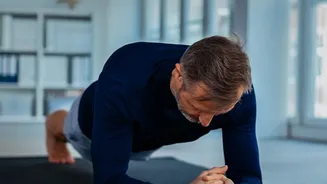
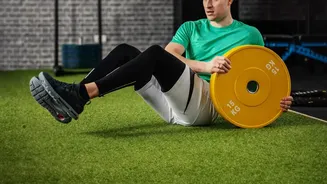
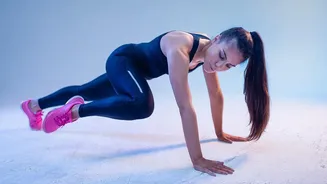
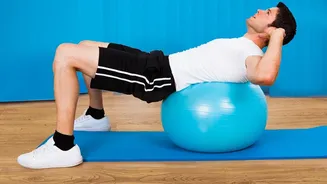
On the other end of the spectrum is circuit training, a form of high-intensity workout where you move quickly from one exercise to another with minimal rest. This method is fantastic for building muscular strength and endurance, challenging your cardiovascular system, and boosting your metabolism. When it comes to the core, circuits that include dynamic movements like kettlebell swings, planks, or medicine ball twists train your muscles to work together under load and at a high pace. This builds functional power that translates directly into athletic performance and real-world activities.
Better Together: A Synergistic Combination
The real magic happens when you combine these two disciplines. Pilates builds a stable, intelligent core, enhancing your body awareness and control. Circuit training then builds powerful, dynamic strength on top of that stable foundation. This combination creates a body that is both strong and resilient. The core stability you gain from Pilates helps protect your joints and spine during the high-impact, loaded movements of circuit training, significantly reducing the risk of injury. In turn, the strength gained from circuits allows you to perform Pilates movements with greater control and endurance. You're essentially teaching your deep core muscles how to activate (Pilates) and then training them to stay active under pressure (circuits).
How to Structure Your Hybrid Routine
Combining the two doesn't have to be complicated. Many fitness professionals agree you can do both on the same day or on alternate days to create a well-rounded routine. For example, you could start a workout with a 15-minute Pilates sequence to activate your deep core muscles and prime your body for movement. Following this with a 30-minute circuit session can lead to more efficient and safer lifting mechanics. Alternatively, you could dedicate two days a week to Pilates to focus on stability and recovery, and two other days to circuit training for strength and cardio. The key is to listen to your body and find a balance that challenges you without leading to burnout.