
What Exactly Is Dal Dhokli?
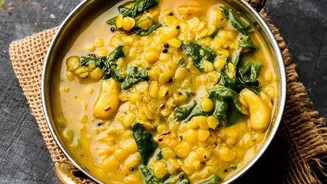
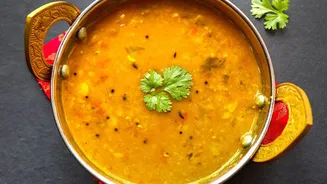
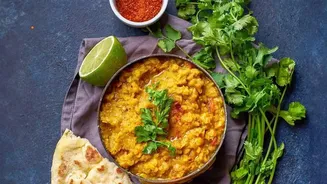
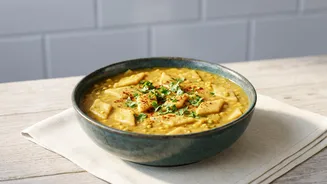
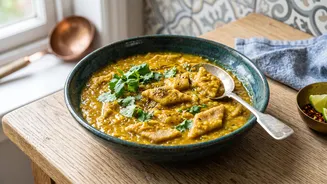
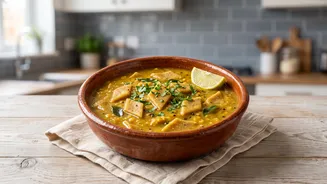
At its heart, Dal Dhokli is a brilliant one-pot meal. The dish consists of two main components. First is the 'dal', a rich, aromatic stew typically made from toor dal (split pigeon peas). This isn't just any lentil soup; it's a complex blend of sweet,
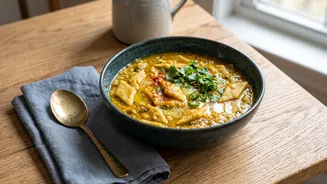
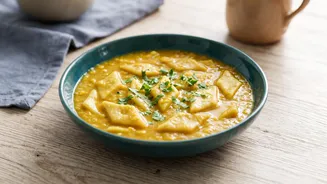
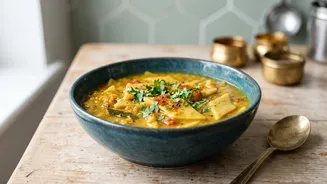
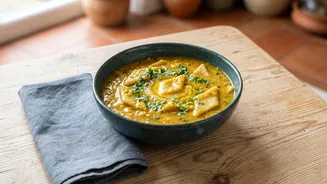
sour, and spicy notes, achieved through ingredients like jaggery for sweetness, kokum or lemon for tanginess, and a tempering of spices like mustard seeds, cumin, and asafoetida. The second part is the 'dhokli', which are essentially small, diamond-shaped dumplings. These are made from a spiced dough of whole wheat flour (atta), sometimes softened with a bit of gram flour (besan), and seasoned with carom seeds and turmeric. The raw dhokli are simmered directly in the boiling dal, where they cook through, absorb the flavours, and thicken the stew into a hearty, cohesive dish.
A Symphony of Flavour and Texture
The experience of eating Dal Dhokli is a journey in itself. The dal provides a soupy, flavour-packed base that is simultaneously warming and vibrant. The dhokli, having cooked in the dal, become wonderfully soft and juicy, with a texture akin to a rustic, homemade pasta. Many recipes also include peanuts, which are often boiled with the dal to add a subtle crunch and nutty depth. The final dish is typically garnished with fresh coriander leaves and a generous dollop of ghee, which adds a final layer of richness. This combination of soft dumplings, creamy lentils, and crunchy peanuts, all enveloped in a perfectly balanced sweet-and-sour gravy, makes every spoonful a delight. It's no wonder this dish is considered a staple comfort food in many Indian households.
A Dish Born of Ingenuity
Like many great comfort foods, Dal Dhokli has roots in practicality. Traditionally, it was a clever way to use leftover dal and chapati dough, transforming yesterday's staples into a fresh, exciting meal. Some legends even trace its origins to a time of siege in a Rajput kingdom, where a cook invented the dish out of necessity when fresh vegetables were scarce. Over time, it was perfected in Gujarati kitchens and became a celebrated dish in its own right, especially popular for Sunday lunches or cozy dinners. Its status as a complete meal, providing both protein from the lentils and carbohydrates from the wheat dumplings, also makes it a nutritious and fulfilling choice.
Variations on a Classic
While the combination of toor dal and wheat dhokli is classic, there are many regional and household variations. In Rajasthan, the dish might be spicier and less sweet. Some families add fenugreek leaves (methi) to the dhokli dough for a slightly bitter, aromatic twist, while others might use a mix of different flours for a more complex texture. There are also Jain versions that omit onion, garlic, and other root vegetables while still delivering on flavour. This adaptability is part of what makes Dal Dhokli so enduring. It's a recipe that invites personalization while remaining true to its comforting soul. The core concept is simple enough that it can be adapted based on what's available, yet the final result is always more than the sum of its parts.