






What Exactly Is Rhythmic Gymnastics?
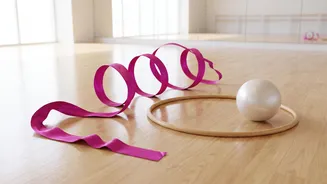
Rhythmic gymnastics is a unique discipline that combines elements of ballet, dance, and gymnastics. Unlike artistic gymnastics, which uses apparatus like the vault or uneven bars, rhythmic gymnasts perform on a floor, using hand-held apparatus: a hoop,
ball, clubs, ribbon, or rope. The sport can be performed individually or in groups. Routines are choreographed to music and are judged on a combination of artistry, execution, and the difficulty of the skills performed. It's a sport where athletic prowess meets creative performance, creating a visually stunning spectacle.
The Dance of the Apparatus
The five pieces of equipment are more than just props; they are extensions of the gymnast's body and must be kept in motion. The hoop is used for rolls, rotations, and impressive throws. The ball, which must be balanced on the hand and never gripped, encourages fluid, graceful movements. The clubs require incredible hand-eye coordination, as gymnasts perform complex mills and throws with a club in each hand. The ribbon is perhaps the most iconic, creating dazzling spirals and patterns in the air. Finally, the rope is used for skipping, swinging, and leaping movements. Each apparatus demands a unique set of skills, ensuring that the sport is always dynamic and challenging.
A Low-Contact, High-Reward Workout
One of the key appeals of rhythmic gymnastics is that it is a non-contact sport. The focus is on individual performance and harmony with the music and apparatus. While physically demanding, it avoids the direct physical collisions common in many other sports. The benefits, however, are immense. Practitioners develop exceptional flexibility, core strength, balance, and coordination. It’s a full-body workout that enhances muscle strength and cardiovascular health through flowing, continuous movements. It also improves fine motor skills and dexterity from manipulating the different apparatus.
A Canvas for Creative Expression
Beyond the physical benefits, rhythmic gymnastics is a powerful outlet for creativity. Each routine is a performance, telling a story or conveying an emotion through movement. Gymnasts are not just athletes; they are artists. They must develop musicality, interpreting the rhythm and mood of their chosen piece and translating it into a choreographed sequence. This fusion of sport and art helps build self-confidence and provides a unique way to express individuality. The ability to perform in front of an audience, stay focused, and convey emotion are skills that build a strong sense of self-esteem.
Building Skills for Life
The discipline learned on the gymnastics floor extends far beyond the sport itself. The focus and dedication required to master routines can improve concentration in academic and professional settings. Learning complex sequences enhances memory retention and spatial awareness. For those who participate in group routines, it teaches invaluable lessons in teamwork, patience, and mutual encouragement. The process of setting goals, working through challenges, and perfecting skills builds resilience and a strong work ethic that serves individuals throughout their lives.
Getting Started in India
The popularity of gymnastics is growing in India, with an increasing number of academies offering programs for all ages and skill levels, from toddlers to competitive athletes. Many centres offer beginner or recreational classes that provide a great introduction to the sport's fundamentals. For those looking to start, searching for local gymnastics clubs or academies is the first step. Some organizations like the Sports Authority of India (SAI) can provide information for those aiming to compete. Online platforms also connect students with local and online coaches for personalised training.