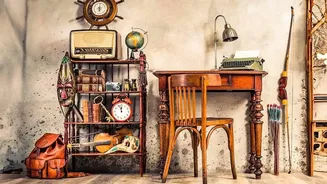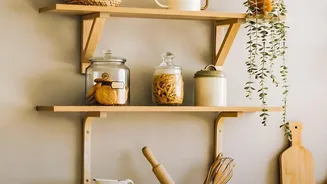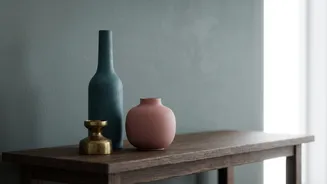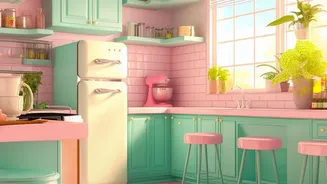





Start by Choosing an Era
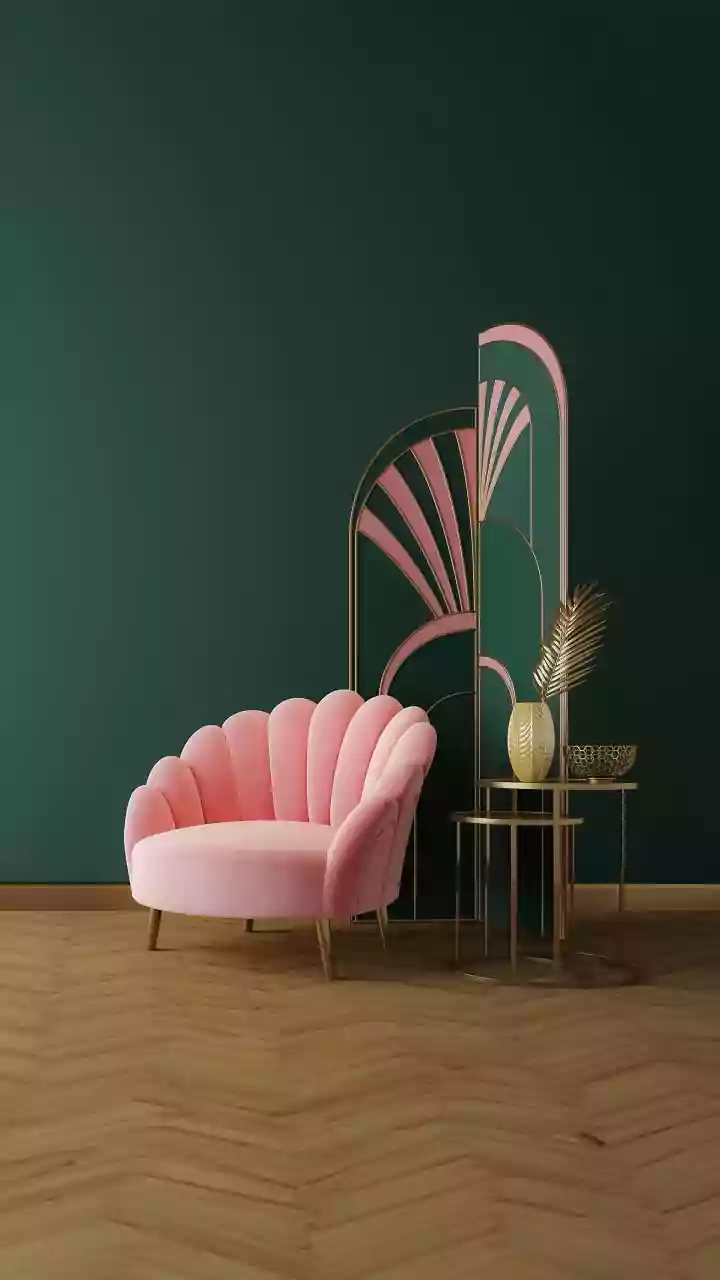
Before you pick up a paintbrush, decide on the story you want to tell. Different decades have distinct colour personalities. The Art Deco style of the 1920s and '30s leans into luxurious jewel tones like deep emeralds, rich navy, and moody plums, often
paired with gold or brass accents. The Mid-Century Modern period of the 1950s and '60s celebrated optimism with earthy yet vibrant shades like avocado green, mustard yellow, and cheerful teal. The 1970s embraced a warmer, bohemian vibe with burnt orange, harvest gold, and lots of brown. Choosing an era as your starting point provides a cohesive framework, preventing your home from feeling like a random collection of old-fashioned colours.
Embrace Muted and Earthy Tones
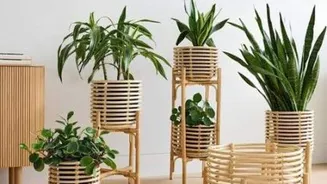
While vintage style can bring to mind psychedelic brights, the most liveable and sophisticated retro palettes are often muted and inspired by nature. Colours like terracotta, sage green, dusty rose, and mustard yellow bring warmth and personality without overwhelming a room. These shades are incredibly versatile and pair beautifully with natural materials like wood, rattan, and linen, which helps to create a grounded and inviting atmosphere. Think of the earthy tones used in 1970s decor, which were a direct response to a growing environmental consciousness. These colours feel organic and calming, making them a perfect foundation for a vintage-inspired space.
Apply the 60-30-10 Rule
A classic interior design principle, the 60-30-10 rule is your best friend when working with strong colour palettes. This guideline helps create balance and ensures no single colour dominates. Here’s how it works: 60% of your room should be a dominant colour, typically a neutral or a soft, muted shade on the walls. 30% should be a secondary colour, applied to furniture, curtains, or an accent wall. Finally, 10% is your accent colour—a bold, vibrant vintage hue used for smaller items like cushions, vases, or artwork. This structured approach allows you to confidently incorporate a daring shade like burnt orange or avocado green in a controlled, impactful way.
Start Small with Accessories
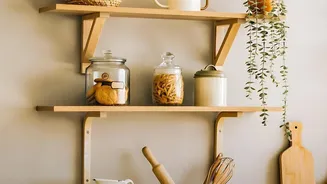
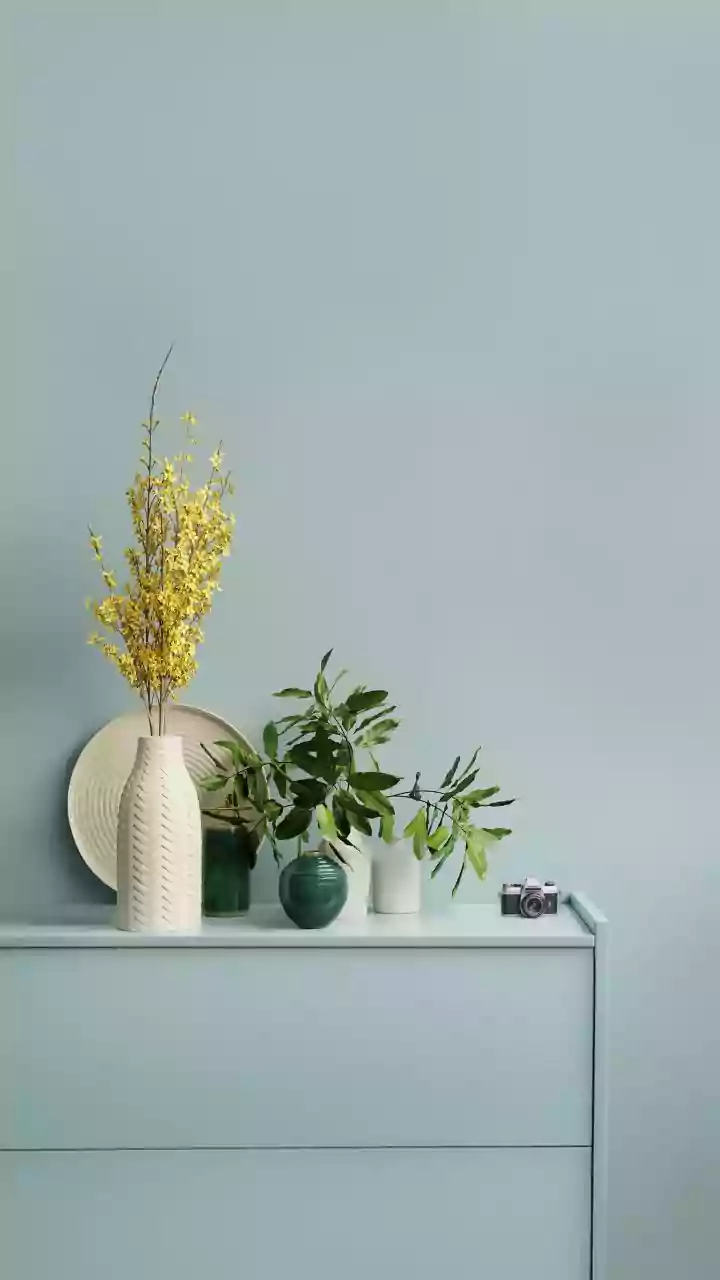
If you're hesitant to paint an entire room in a bold vintage colour, start with accessories. This is the easiest and most low-risk way to experiment with a new palette. Introduce a pair of mustard yellow velvet cushions on a neutral sofa, hang framed botanical prints with aged paper tones, or place a collection of ceramic vases in shades of olive green and terracotta on a shelf. Even small items like a classic mantel clock or antique books can inject that vintage charm. These smaller elements allow you to test out colour combinations and see how they work with your lighting and existing furniture before committing to a larger change.
Layer with Vintage-Inspired Textiles
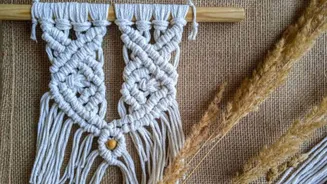
Texture is just as important as colour in achieving an authentic vintage feel. Textiles are a fantastic way to introduce both. Look for fabrics and patterns that evoke your chosen era. For an Art Deco vibe, consider geometric prints on velvet or silk. Mid-century modern spaces benefit from fabrics with bold stripes or simple florals in cotton and wool. For a '70s feel, embrace materials like corduroy, bouclé, and macrame wall hangings in warm, earthy shades. Layering these textiles through rugs, curtains, and throw blankets adds a cosy, lived-in quality that prevents your vintage-inspired decor from feeling flat or one-dimensional.
Balance Old and New with a Neutral Base
One of the secrets to making vintage colours look chic and not chaotic is to balance them with modern, neutral elements. Starting with a neutral foundation, such as white, cream, or soft grey walls, creates a clean canvas that allows your chosen vintage pieces and colours to truly shine without competing. This approach creates what designers call "breathing room," preventing a space from feeling cluttered or overly thematic. A sleek, modern sofa, for example, can look stunning when paired with cushions in a retro pattern, or a vintage wooden credenza can be anchored by contemporary art on a crisp white wall above it. This blend of old and new is the key to a curated, sophisticated look.