





The Comfort of a Routine
For many, watering plants is a daily or weekly ritual, a quiet moment of connection with nature. During the dry summer months, this fixed schedule is often what keeps our gardens alive. The problem arises when the skies open up for the monsoon. The environment
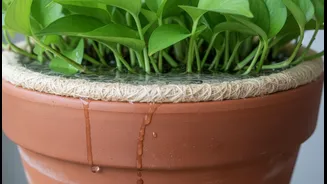
completely changes—humidity soars, sunlight becomes scarce, and rain provides abundant moisture. Yet, we often stick to our familiar watering routines. This is because watering is frequently driven by our schedule, not the plant's immediate requirements. Research shows that people often decide to water based on a calendar or a quick glance, rather than assessing the actual conditions of the soil. This disconnect between habit and need is the primary cause of overwatering, a condition that can be more harmful than underwatering.
Signs Your Plant is Drowning
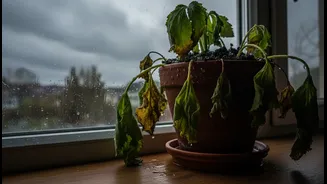
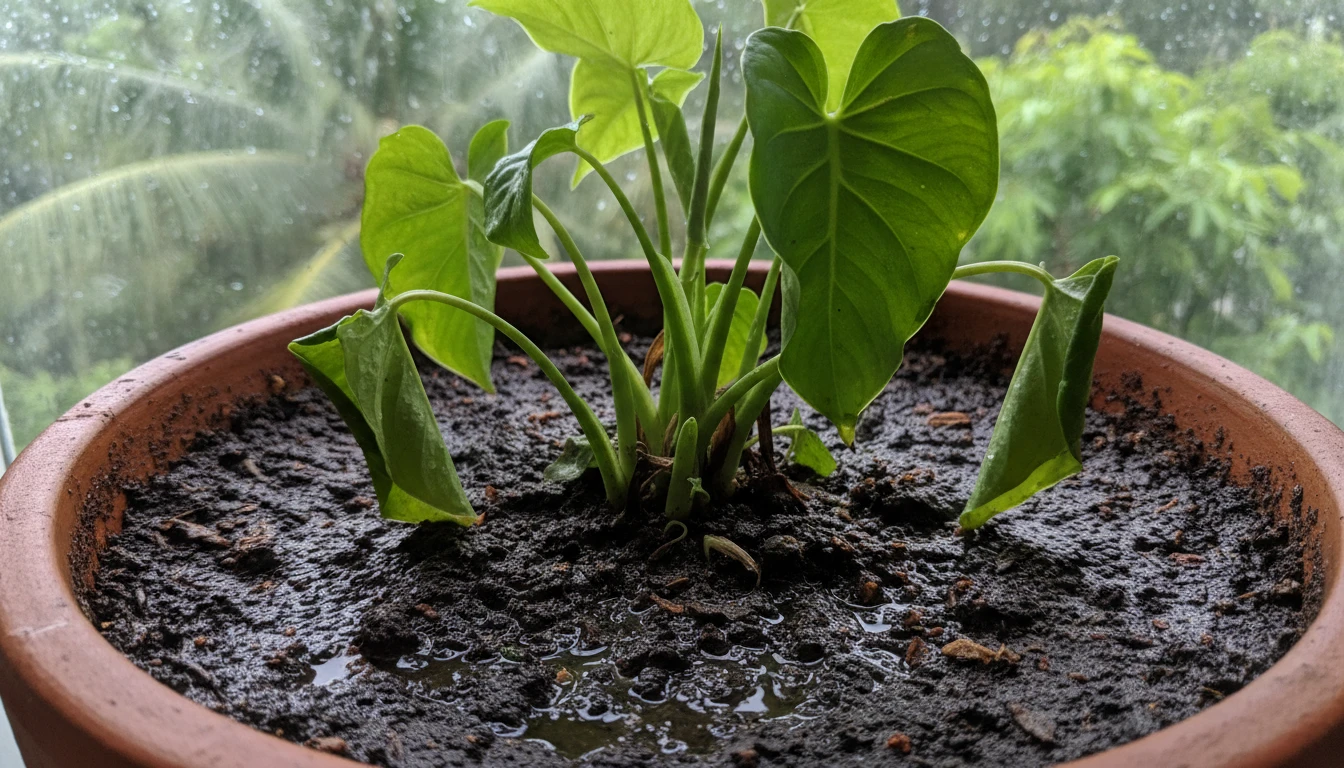
Overwatering is deceptive because its symptoms can mimic those of a thirsty plant. A key sign is wilting leaves that feel soft and limp, unlike the crispy leaves of a plant that needs water. You might also notice yellowing leaves, affecting both new and old growth simultaneously. As the problem worsens, the base of the stem can become mushy, and the soil may emit a rotten odour—a clear signal of root rot setting in. In waterlogged soil, roots are deprived of oxygen and begin to die, losing their ability to absorb water and nutrients, which is why the plant wilts despite being in wet soil. You may also see fungal growth on the soil's surface or an increase in pests like fungus gnats that thrive in damp conditions.
Break the Habit: The Finger Test
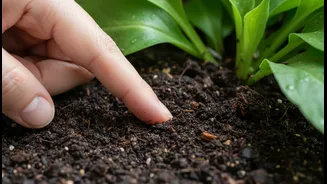
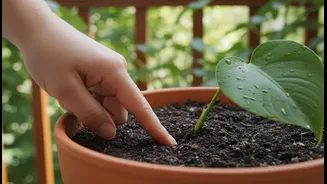
The single most effective way to break the overwatering cycle is to abandon a fixed schedule and check the soil before you even pick up the watering can. The 'finger test' is a simple, tool-free method to gauge moisture where it counts—at the roots. Insert your index finger into the soil up to your second knuckle. If the soil feels cool and moist, or if it sticks to your finger, the plant does not need water. If it feels dry and falls away easily, it's time to water. This technique works for most houseplants and container gardens, ensuring you only water when necessary. For greater accuracy, you can also use a simple soil moisture meter, which provides a quick reading of moisture levels deeper in the pot.
Adjusting for Monsoon Conditions
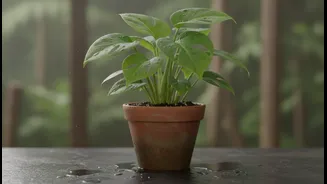
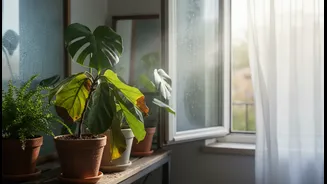
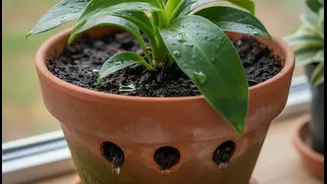
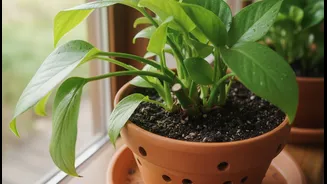
Beyond checking the soil, several other adjustments can protect your plants during the rainy season. Ensure all your pots have adequate drainage holes to let excess water escape. It can also be helpful to elevate pots on stands or bricks to prevent them from sitting in stagnant water. For indoor plants, the increased ambient humidity means they will also need less water. Move them closer to windows to maximise their exposure to limited sunlight. It is also wise to hold off on heavy fertilising. Heavy rains can wash nutrients away, and waterlogged roots are unable to absorb them effectively anyway. Instead, use light organic options like compost or vermicompost during dry spells.
Special Care for Different Plants
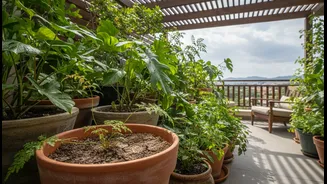
Not all plants have the same needs. Succulents and desert roses like Adeniums are particularly susceptible to rot and should be protected from direct, continuous rain, perhaps by moving them to a covered balcony. They should only be watered when their soil is completely dry. Tropical plants like hibiscus may enjoy the humidity but still require excellent drainage to prevent their roots from becoming waterlogged. For all plants, improving air circulation by spacing them out helps prevent the fungal diseases that thrive in damp, stagnant air. Taking a moment to consider each plant's origin and natural habitat can provide valuable clues to its monsoon care needs.