





A Global Runway Debut Down Under
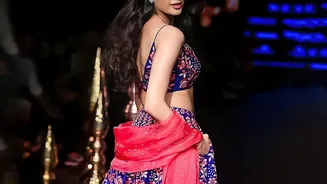
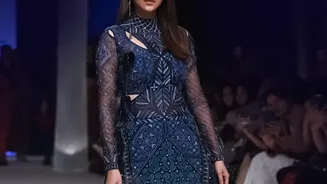
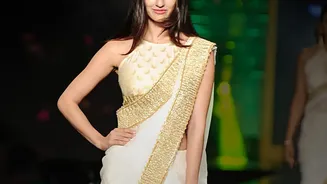
The lights dimmed at New Zealand Fashion Week (NZFW) 2026, but the star of the show wasn't a new silhouette or a shocking colour—it was a fabric with centuries of history. The “Khadi Beyond Borders” showcase, a landmark collaboration between the Fashion Design
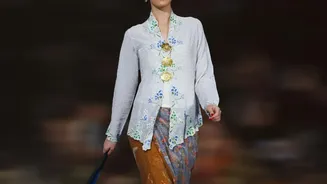
Council of India (FDCI) and NZFW, brought India's iconic hand-spun textile to a new international audience. The event featured leading Indian designers, including a headline show by the acclaimed Rajesh Pratap Singh, alongside Samant Chauhan, Shruti Sancheti, and Pawan Sachdeva. Each designer was tasked with interpreting Khadi for a contemporary global wardrobe, moving it beyond its historical roots and into the realm of modern luxury and everyday style. The showcase is the first major initiative under a new agreement designed to build a creative bridge between the two nations.
The Fabric of Freedom, Reimagined
To understand the significance of this moment, one must understand Khadi itself. More than just a textile, Khadi is woven into the very fabric of Indian identity. Popularised by Mahatma Gandhi, it was the symbol of the nation's self-reliance movement, a quiet protest against colonial industrialisation. But its story didn't end there. Today, designers are tapping into its legacy while reinventing its purpose. What was once the uniform of a freedom struggle is now being presented as a solution for the modern conscious consumer: sustainable, artisanal, and incredibly versatile. The NZFW show was a deliberate effort to frame Khadi not as a museum piece, but as the fabric of the future.
The Science of Breathability
The headline quality celebrated on the Auckland runway was Khadi’s exceptional breathability, a feature that makes it perfect for the modern global climate. Unlike machine-milled fabrics, Khadi is both hand-spun and hand-woven. This artisanal process creates tiny, irregular gaps in the weave, which act as channels for air to circulate freely. The result is a fabric that keeps you cool in the summer by wicking moisture away from the skin and provides warmth in the winter by trapping a layer of air. This natural thermoregulatory property means Khadi garments are comfortable year-round, making them a practical and sustainable choice for any wardrobe, anywhere in the world.
Crafting a Modern Aesthetic
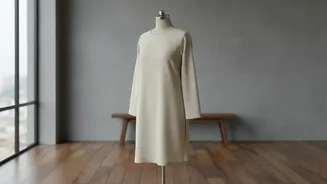
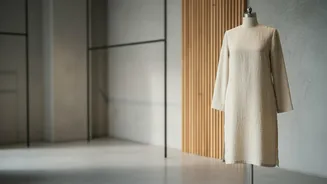
The collections at NZFW demonstrated just how far Khadi has come from its rustic origins. The designers showcased a range of modern silhouettes—sharp tailoring, fluid dresses, and minimalist separates—that highlighted the fabric’s unique drape and texture. By using contemporary cuts and sophisticated, often natural, dyes, they proved that Khadi can be as chic and forward-thinking as any other luxury material. The focus was on versatility, showing how a single Khadi piece could be styled for the office, a casual weekend, or an elegant evening out. This move from traditional to trendsetting is crucial for its global acceptance, proving that style and sustainability can go hand-in-hand.
A Shared Sustainable Vision
Choosing New Zealand as the stage for this Khadi renaissance was a strategic one. Both India, with its deep artisanal traditions, and New Zealand, with its strong focus on natural heritage and indigenous culture, share a common ground in valuing sustainability and craftsmanship. NZFW also featured showcases of traditional Māori weaving, highlighting a global trend of looking to ancient crafts for modern solutions. This cultural alignment creates a powerful narrative. The “Khadi Beyond Borders” event wasn't just an import; it was a conversation between two cultures about the future of fashion—one that is slower, more mindful, and deeply connected to the materials it uses. It marks a significant step in taking the local fabric truly global.