



Equipment: What You Need to Start
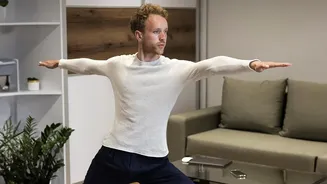
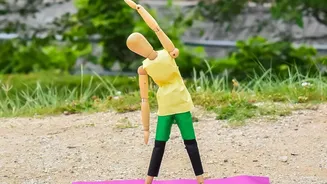
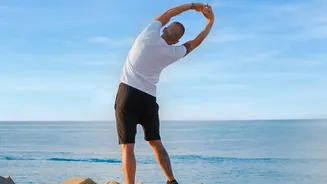
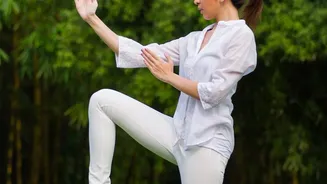
Tai Chi is the clear winner for minimalists. To begin, you need no equipment at all—just comfortable clothing that allows you to move and enough clear floor space. Many practitioners prefer to be barefoot or wear flat, flexible shoes. While some advanced
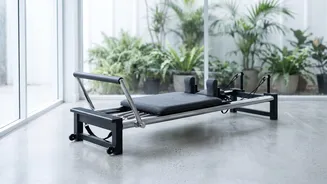
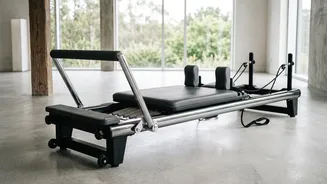
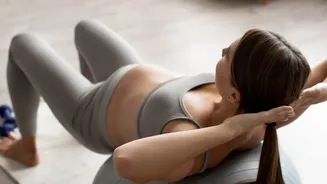
forms use tools like fans or sticks, these are not necessary for beginners.Pilates, while also possible with minimal gear, often benefits from a few key items. At its most basic, mat Pilates requires only a thick, cushioned mat, which is more supportive for spinal exercises than a standard yoga mat. Many at-home routines also incorporate small props like resistance bands, a small ball, or a Pilates ring (magic circle) to add challenge and variety. For a studio-level experience, there is large equipment like the Reformer, but this requires significant financial investment and space.
Space Requirements: Room to Move
Both practices are adaptable to small spaces. For Tai Chi, you generally need enough room to take a few steps in any direction and extend your arms without hitting furniture. Because it is performed standing, the vertical space is more important than a large, open floor.Mat Pilates requires an area large enough to lie down with your arms and legs fully extended. This footprint is roughly the size of a thick exercise mat. If you decide to invest in a Pilates Reformer, however, the space requirement increases significantly. A standard reformer needs about eight feet in length when in use, though foldable models can reduce the storage footprint.
The Learning Curve: Getting Started
Tai Chi consists of a series of slow, flowing movements linked together in sequences known as 'forms'. For beginners, memorizing these sequences can be a challenge. The emphasis is on continuous, mindful motion, which can feel unfamiliar. However, there are many free videos and guided sessions online designed for absolute beginners, and starting with just a few basic movements for 10-15 minutes a day is an effective approach.Pilates is based on a set of distinct, controlled exercises, often performed for a specific number of repetitions. This structure can be easier for some beginners to follow. Proper form, breathing, and core engagement are critical to avoid injury and get results. While many online resources are available, some experts recommend taking a few in-person classes first to master the fundamentals before starting a solo home practice.
Physical Goals and Benefits
While both are low-impact, their primary physical benefits differ. Pilates is renowned for building core strength, improving posture, and increasing flexibility. The exercises are designed to strengthen the deep stabilizing muscles of your abdomen and back.Tai Chi is exceptionally effective for improving balance and stability. Its slow, weight-shifting movements are proven to reduce the risk of falls, particularly in older adults. It also offers gentle improvements in lower-limb strength and aerobic capacity for those with lower fitness levels.
Mind-Body Connection: Focus and Flow
Both practices are deeply rooted in the mind-body connection but express it differently. Tai Chi is often described as 'meditation in motion'. The goal is to cultivate a state of calm, focused awareness through continuous, flowing movements and coordinated breathing. This makes it highly effective for stress reduction.Pilates demands immense concentration on precise muscle control, alignment, and breath. The focus is internal, aimed at mastering control over your body's movements. This can create a powerful sense of physical awareness and control, but the meditative quality is a byproduct of intense focus rather than the primary goal itself.