



What Exactly Are Naphthalene Balls?
Naphthalene balls are small spheres of chemical pesticide and deodorant. For decades, they have been the go-to solution for protecting stored clothing, particularly natural fibres like wool, from damage by moths and their larvae. The balls are made from solid
naphthalene, a hydrocarbon derived from coal tar or petroleum. They work through a process called sublimation, where the solid turns directly into a gas. It's this pungent vapour that is toxic to moths, killing both the insects and their larvae. However, this powerful chemical action is also the source of significant health concerns for people and pets.
Understanding the Health Risks
The strong smell of mothballs is more than just unpleasant; it's a warning. The fumes released by naphthalene are toxic. Exposure, particularly for long periods in poorly ventilated areas, can lead to a range of health issues including headaches, nausea, dizziness, and confusion. A more severe risk is hemolytic anemia, a condition where red blood cells are destroyed faster than they can be made. This is a particular danger for young children and infants, who can be exposed by wearing clothes that were stored with mothballs and not properly aired out. Ingesting a mothball, which can look like candy to a small child or pet, is extremely dangerous and can cause severe symptoms, and in some cases, can even be fatal. The International Agency for Research on Cancer (IARC) also classifies naphthalene as possibly carcinogenic to humans, based on animal studies.
Myth-Busting: What Naphthalene Balls Can't Do
A quick search online reveals countless 'hacks' for using naphthalene balls to repel everything from snakes and rodents to bats and cockroaches in gardens, attics, and open spaces. However, these uses are not only ineffective but also illegal and dangerous. Mothballs are not designed to work in open air; their vapours dissipate too quickly to have any effect on snakes or other animals. Furthermore, using a registered pesticide in a manner inconsistent with its label is against the law. Scattering them outdoors pollutes the soil and water, and poses a direct threat to wildlife, pets, and children who might encounter them.
The One and Only Correct Use
If you must use naphthalene balls, there is only one correct and safe method. They are designed exclusively for killing clothes moths on items stored for a long period. To do this, you must place the clothes and the mothballs inside a completely airtight container, like a sealable plastic bin or bag. This allows the toxic vapours to build up to a concentration that is lethal to moths, while also preventing the fumes from escaping into your living space. Using them in open closets, drawers, or garment bags is improper and allows harmful fumes to permeate your home. Before wearing any clothes stored this way, they must be thoroughly aired out outdoors and then washed to remove any lingering chemical residue.
Fresher, Safer Alternatives for Your Home
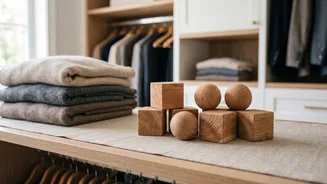
The 'fresh look' at naphthalene balls ultimately reveals they are a high-risk product with a very limited, specific purpose. For a truly fresh and safe home, there are many better alternatives. Cedar blocks or chips are a popular, natural moth repellent; moths dislike the smell, but most people find it pleasant. Sachets filled with dried lavender, cloves, rosemary, or mint can also be placed in drawers and closets to deter pests and add a lovely fragrance. For active infestations, non-toxic pheromone moth traps can help monitor and reduce the population. The most effective strategy of all is good housekeeping: regularly washing clothes, cleaning closets and drawers thoroughly, and storing off-season items only after they are clean can prevent moths from ever becoming a problem in the first place.