
An Introduction to God's Hill
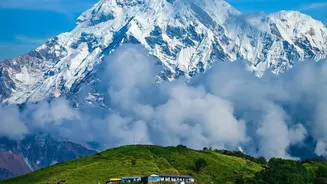
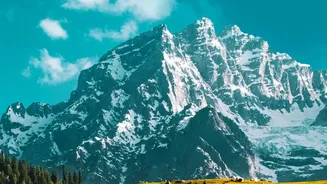
Nestled in the Pir Panjal range near Manali, Deo Tibba, which translates to 'Hill of the Gods', stands at a formidable 6,001 metres. According to local belief, this majestic, dome-shaped peak is the assembly site of the Hindu gods. While summiting the peak is a technical
mountaineering challenge, the trek to its base camp is an adventure in itself, offering a compressed journey through multiple Himalayan ecosystems. Unlike more commercialised treks, this route provides a genuine wilderness experience with fewer crowds, making it a perfect escape for those seeking solitude and raw natural beauty. The trek typically takes around five to six days, starting from the ancient village of Jagatsukh and ascending to an altitude of about 4,480 metres at a high-altitude lake called Chota Chandratal.
Through Forests and Alpine Meadows
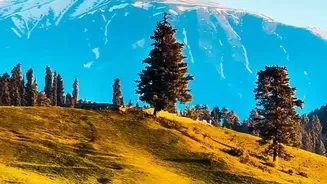
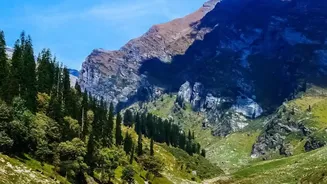
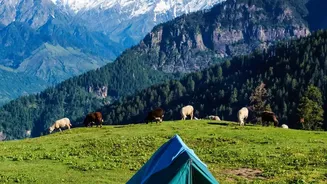
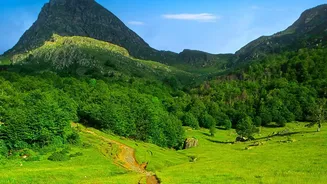
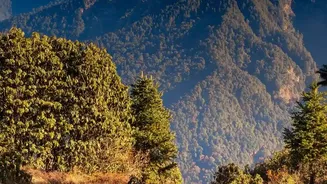
The journey begins with a scenic drive from Manali to the trailhead, climbing past the historic village of Jagatsukh. The first leg of the trek takes you from Khanol to a riverside campsite at Chikka. This initial path winds through dense forests of pine, oak, and birch, with the sound of the gushing Duhangan stream as your constant companion. As you ascend on the second day towards Seri, the landscape begins its dramatic transformation. The tree line recedes, and the dense forest opens up into a vast, breathtaking alpine meadow. Seri was once a glacial lake, and its expansive, flat pasture, carpeted with wildflowers during the summer, is a defining highlight of the trek. It’s a surreal experience to walk across this huge meadow with towering mountains and waterfalls framing the view.
The Challenge of Moraine and Glacier
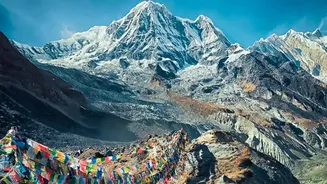
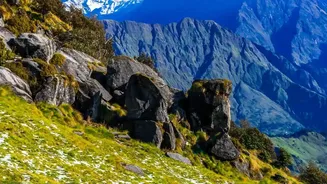
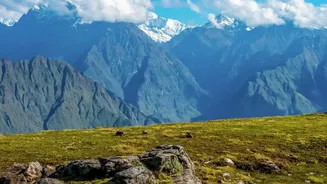
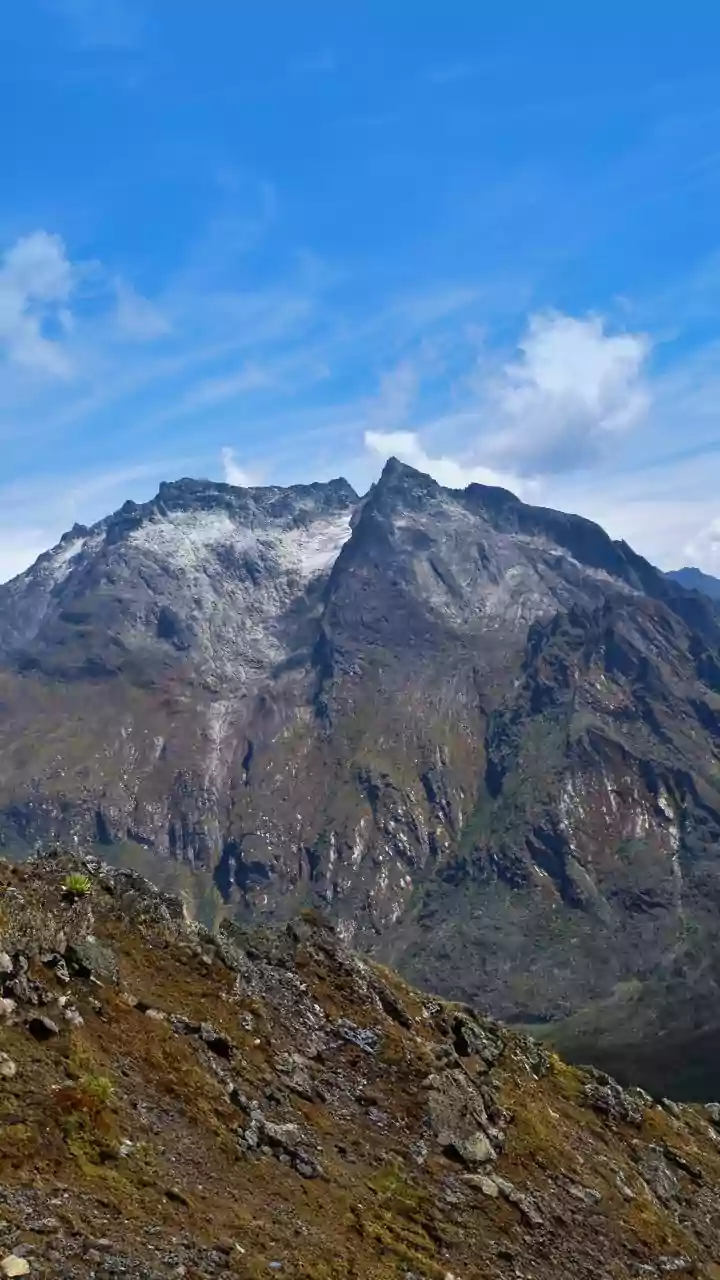
From the gentle expanse of Seri, the trek’s character shifts again as you push towards the higher camp at Tainta. The trail becomes more demanding, navigating through rocky and uneven terrain marked by moraine—the rocks and sediment left behind by a moving glacier. This section requires careful footing and a steady pace. The path climbs through boulder-strewn fields, and the air grows thinner as you gain altitude. This challenging stretch is a prelude to the trek's ultimate rewards. All along, the magnificent presence of Deo Tibba peak and its massive hanging glaciers dominate the skyline, offering a constant, awe-inspiring view that fuels your determination.
The Reward: Chota Chandratal
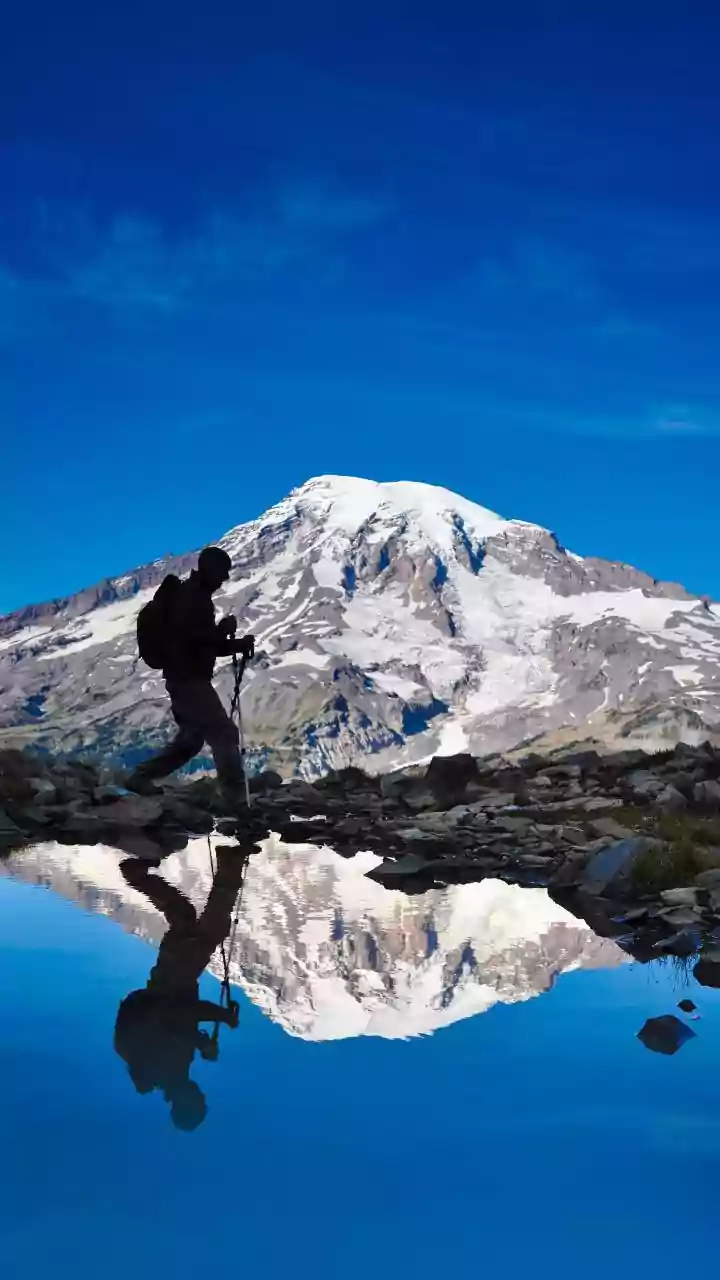
The climax of the Deo Tibba Base Camp trek is the excursion to Chota Chandratal, which means 'Small Moon Lake'. Situated at an altitude of approximately 4,480 metres, this emerald-blue lake is a jewel set amidst a rugged, high-altitude desert. Reaching the lake requires a strenuous walk across moraine fields, but the sight that greets you is unforgettable. The pristine, calm waters of the lake reflect the sky and the surrounding snow-dusted peaks, including the formidable Deo Tibba and its neighbour, Indrasan. It’s a place of immense tranquility and profound beauty, offering a moment of quiet reflection after the challenging climb. For most trekkers, this is the highest point of their journey and a major highlight.
Planning Your Journey
The Deo Tibba Base Camp trek is rated as moderate to difficult, primarily due to the high altitude and long walking days. It is best suited for trekkers with some prior high-altitude experience. The ideal time to undertake this journey is from May to June and again from September to October. The spring months offer more snow on the higher reaches, while the post-monsoon season in autumn generally provides clearer skies and more stable weather conditions. The trek involves camping in tents for four to five nights, so it’s essential to be prepared for cold temperatures, especially at the higher campsites where night temperatures can drop below freezing. Given the terrain, it's highly recommended to go with an experienced guide or a certified trekking agency.