





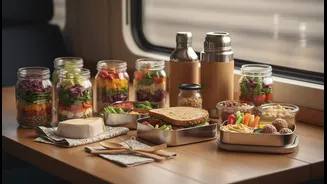


The Home-Packed Advantage
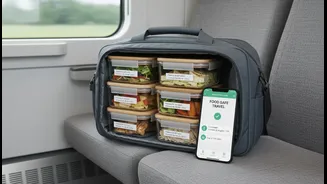
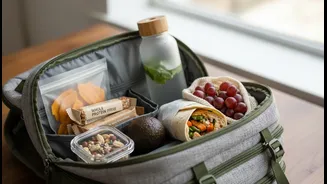
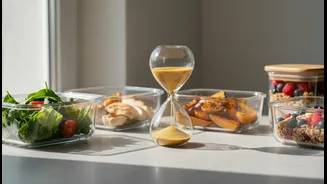
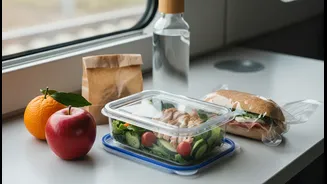
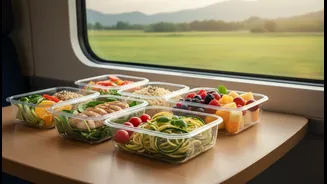
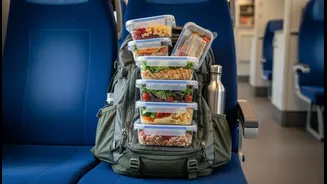
The single most reliable way to ensure food safety is to bring your own. For a generation used to convenience, this might sound like a chore, but it’s a strategic move for the first 12-24 hours of your journey. Think dry, non-perishable, and easy to eat.
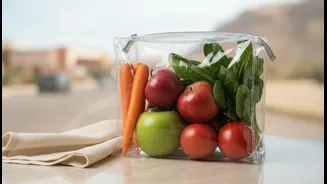
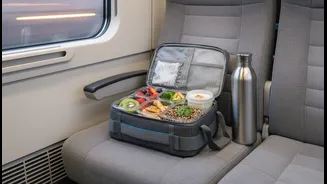
Classic choices like theplas, parathas, and idlis are popular for a reason—they travel well. Consider packing items that don't spoil quickly without refrigeration: roasted chana, nuts, dry fruits, and energy bars are great for snacking. For a more substantial meal, a well-made sandwich or a container of pulao can be perfect for your first lunch or dinner. The key is to pack foods with low moisture content and avoid anything with heavy, quick-to-spoil gravies or dairy. And remember to bring your own sealed water bottle.
Decoding Onboard & E-Catering
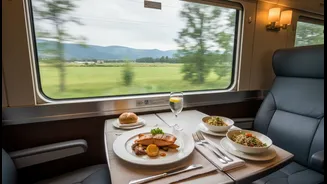
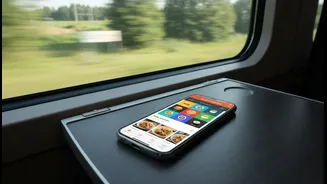
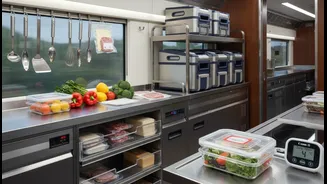
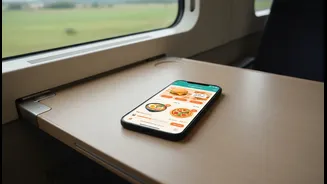
Indian Railways' food landscape has changed significantly. While the pantry car remains an option, its hygiene can be inconsistent. A safer bet is to choose freshly prepared, hot meals, as the heat helps kill bacteria. A more modern and often safer alternative is the IRCTC's e-catering service. Using the official 'Food on Track' app or website, you can order meals from FSSAI-approved restaurants at major stations, which are then delivered to your seat. This gives you access to a wider variety of trusted brands and regional specialties. However, be cautious of unofficial websites and vendors, which have been a growing concern. Always book through official IRCTC channels to ensure food safety and protect your personal information.
Navigating Station Platforms
At some point, the allure of a hot snack from a station platform is hard to resist. If you decide to indulge, be strategic. Choose busy stalls with high customer turnover; this usually means the food is being made fresh and hasn't been sitting out. Opt for items that are cooked or fried right in front of you, like samosas, vada pav, or poha. Be wary of anything raw, like pre-cut fruit or salads, as you can't be sure about the water used to wash them. Similarly, avoid juices or drinks with ice, as the water source is often unknown. Packaged and sealed snacks or drinks are always a safer bet than their loose counterparts.
Essential Hygiene Habits
Food safety isn't just about what you eat, but how you eat it. Your hands touch countless surfaces on a train. Washing your hands with soap and water before every meal is non-negotiable. If soap and water aren't readily available, a good alcohol-based hand sanitiser is the next best thing. Carry your own cutlery to minimize contact with potentially unclean utensils. It’s also wise to pack a small kit with basic medicines for stomach issues, like antacids or anti-diarrhoea tablets, just in case. Staying hydrated is crucial, but stick to sealed bottled water from trusted brands like Rail Neer or other well-known names.