


The UN's Sobering Assessment
A new report from the UN Environment Programme (UNEP) and the Climate and Clean Air Coalition (CCAC) delivered a stark message in early September 2026. Titled 'Hidden Assets: The Economic and Health Case for Climate and Clean Air Action', the report used
Delhi as a key case study to model the impacts of delayed action. It concluded that if Delhi successfully meets its national air quality standards on schedule from 2026, it could reduce the PM2.5 exposure burden by 20% by the year 2040. However, the report warns that an eight-year delay in implementation—which is in line with the expected global average—would slash that achievement in half, resulting in only a 10% reduction and causing significantly greater health problems for its citizens over the period. The document emphasized that delaying clean air initiatives has measurable and severe health costs, linking human-caused outdoor air pollution to millions of premature deaths worldwide.
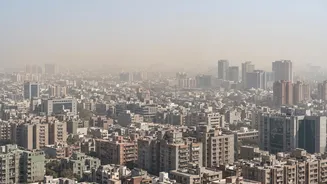
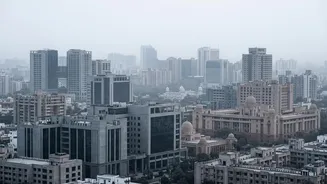
Delhi's Air Quality Right Now
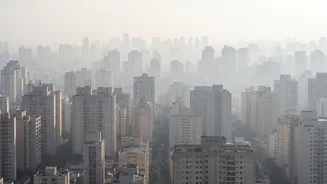
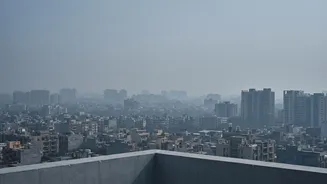
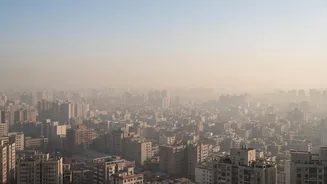
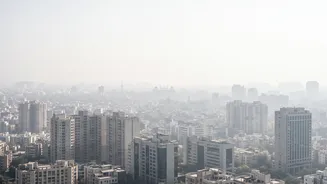
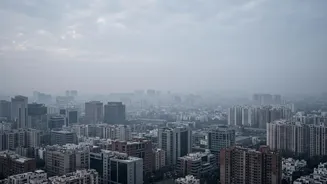
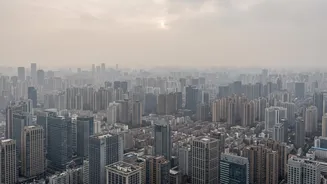
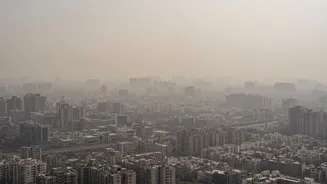
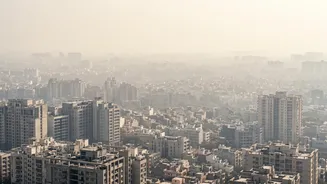
As of September 10, 2026, Delhi's Air Quality Index (AQI) stands at 138, which falls into the 'Poor' category. This is a slight deterioration from earlier in the month when strong winds and rain brought temporary relief, even pushing the AQI into the 'satisfactory' range with readings as low as 71 on September 4. An AQI between 101 and 200 is classified as 'moderate', while 201 to 300 is 'poor'. Even at current 'poor' levels, the concentration of PM2.5—tiny, harmful particles that can enter the bloodstream—is high, prompting advice for sensitive groups like children and those with respiratory issues to limit outdoor time. This pre-winter air quality serves as a baseline before the situation traditionally worsens in October and November.
The Persistent Causes of Pollution
Delhi's air pollution is a complex problem driven by a combination of factors that change with the seasons. During this time of year, the primary contributors are local sources: vehicular emissions, road dust, and industrial activity. Experts note that pollution is no longer just a winter emergency but a year-round issue driven by rapid urbanization and gaps in enforcement. As winter approaches, meteorological conditions like lower temperatures and calmer winds trap these pollutants close to the ground. This is then severely compounded by regional factors, most notably stubble burning in the neighbouring states of Punjab and Haryana, which can account for up to 40% of Delhi's pollution during peak periods. Open waste burning also increases significantly in winter, adding to the toxic mix.
What Action is Being Taken?
Authorities are preparing for the impending 'smog season' with a series of measures. The Commission for Air Quality Management (CAQM) has announced that the Graded Response Action Plan (GRAP), an emergency framework to manage air quality, will be implemented. The four-stage plan imposes progressively stricter restrictions as the AQI worsens, from halting construction to restricting vehicle use. Efforts are underway to improve public transport and transition to cleaner vehicles, with a mandate that only BS-VI, CNG, or electric buses will be allowed to enter Delhi from November 1, 2026. Additionally, stricter emission norms for industries are set to take effect from October 1, 2026. A recent government survey, the Swachh Vayu Sarvekshan 2026, ranked Delhi 21st among large cities, not for its air quality, but for the actions taken to control pollution.