






An Unexpected Discovery
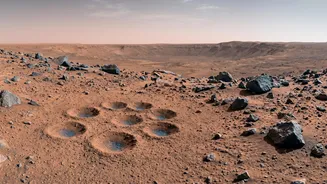
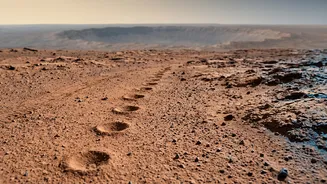
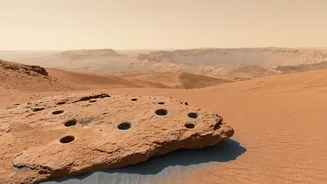
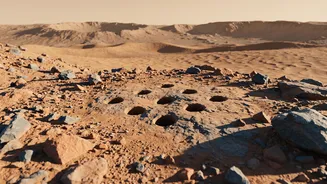
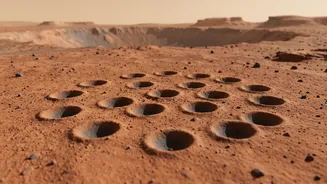
While navigating through a region known as Valle Grande on the slopes of Mount Sharp, the Curiosity rover came across a peculiar sight: tiny, shallow divots dotting the rocky ground. Mars is no stranger to holes; billions of years of meteorite impacts
have left its surface pockmarked with craters of all sizes. But these newly found pits, some measuring just a centimeter across, are different. They have left the seasoned science team intrigued and searching for answers about how they formed.
What Makes These Holes So Strange?
Typically, small pits in Martian bedrock have a straightforward explanation. They are often left behind when harder pebbles or mineral nodules, once embedded in softer rock, weather away over eons. In those cases, geologists can usually find the nodules that once filled the cavities nearby. The mystery of the Valle Grande holes is that they are unusually broad and shallow, and crucially, there are no obvious objects in the vicinity that appear to have once occupied them. This lack of a clear cause is what separates these features from other discoveries and has prompted a deeper investigation.
Gathering Clues on Another World
To solve the puzzle, the Curiosity team is using the rover's suite of advanced instruments. The Mars Hand Lens Imager (MAHLI), located on the rover's robotic arm, has been maneuvered to take detailed, close-up photographs of the pits. Simultaneously, the Mastcam cameras are capturing overlapping stereo images of the surrounding terrain. By combining these images, scientists on Earth can construct detailed three-dimensional models of the surface. These models will allow them to precisely measure the shapes and depths of the holes, which could provide crucial clues about the geological processes that created them.
A Planet Full of Puzzles
These holes are not the only enigma Curiosity is currently investigating. The rover is in a geologically rich area where scientists have also noted rapid changes in the appearance of rock layers, suggesting swift transformations in the Martian environment billions of years ago. In recent months, the rover has examined everything from strange, web-like 'boxwork' terrain to vast fields of honeycomb-like polygonal fractures. While some formations are believed to be the result of ancient water seeping through rock and the subsequent erosion by wind, each new and unusual feature adds another piece to the complex history of Mars. The holes in Valle Grande are just the latest reminder that the Red Planet still holds many secrets.