






The Daily Assault on Your Lungs
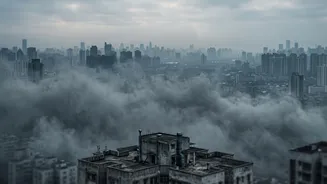
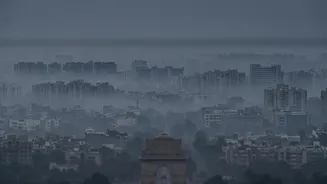
Breathing Delhi's air, especially during winter, is not a benign act. The air is a cocktail of harmful pollutants, with fine particulate matter known as PM2.5 being the most notorious. These particles are so small they bypass the body's natural defences,
travelling deep into the lungs and even entering the bloodstream. Studies have shown that on a severely polluted day, breathing the air in Delhi can be equivalent to smoking 10 cigarettes. This constant assault comes from a mix of vehicle exhaust, industrial emissions, construction dust, and seasonal crop burning. The result is a daily stress test on the respiratory system of every resident, regardless of their lifestyle.
How Pollution Triggers Damage
The primary way PM2.5 and other pollutants harm the body is by causing oxidative stress and chronic inflammation. When these particles lodge in the lungs, they trigger an immune response. Alveolar macrophages, the cleanup crew of the lungs, try to deal with the foreign invaders but are overwhelmed. This leads to a persistent state of inflammation. Think of it as a wound that never heals. This inflammatory environment is the perfect breeding ground for disease. It can damage lung tissue, reduce lung capacity, and accelerate the development of conditions like asthma and Chronic Obstructive Pulmonary Disease (COPD). For some, it sets the stage for something more sinister.
The Cancer Connection: A Promoter, Not Just a Cause
Recent research has clarified how air pollution can lead to lung cancer in non-smokers. It acts as a powerful 'tumour promoter'. Many people have dormant mutations in their lung cells, such as in the EGFR gene, which are harmless on their own. However, the chronic inflammation caused by pollution can 'awaken' these cells. The inflammatory signals, particularly a substance called interleukin-1β, encourage these mutated cells to multiply, eventually forming a tumour. So, pollution doesn't always cause the initial genetic mistake, but it creates the ideal conditions for that mistake to become cancerous. This helps explain the alarming rise in lung cancer cases among non-smokers in Delhi, a demographic that now makes up over half of new patients in some hospitals.
Risk vs. Guarantee: The Role of Genetics
If everyone in Delhi breathes the same polluted air, why doesn't everyone get sick? The answer lies in the complex interplay between environment and genetics. Just as some people are genetically predisposed to other conditions, some have a higher susceptibility to the effects of air pollution. Polymorphisms, or variations in our genes related to inflammation and oxidative stress, can make one person's lungs more vulnerable than another's. Studies have shown that a higher genetic risk for COPD, for example, is far more likely to manifest in children exposed to high levels of air pollution. Your genetic makeup is the 'luck of the draw' that determines whether the high-risk environment of a polluted city translates into a specific disease.
Protecting Yourself in a Toxic Environment
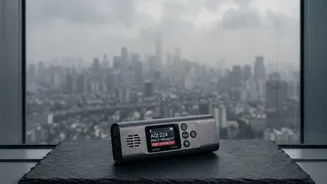
While the problem of air pollution requires large-scale policy changes, individuals are not entirely powerless. The first line of defence is reducing exposure. This means monitoring the Air Quality Index (AQI) daily and limiting strenuous outdoor activity when levels are 'severe'. When you must go out, wearing a certified N95 or N99 mask can filter out a significant portion of PM2.5 particles. Indoors, air purifiers with HEPA filters can create 'clean-air zones' within your home, which is crucial given that indoor air can also be highly polluted. Sealing windows and doors during peak pollution hours also helps prevent toxic air from seeping in. These measures don't eliminate the risk, but they can significantly lower your daily dose of pollutants.