
What Exactly Is Putu Mayam?
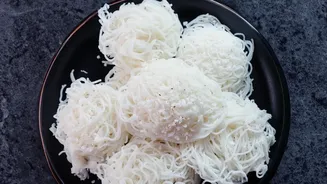
Putu mayam, also known as string hoppers, is a simple yet elegant dish made from a dough of rice flour and water. This dough is pressed through a special mould, called a 'sevanazhi' or idiyappam press, to create fine, thread-like noodles. These noodles are
squeezed out in a circular motion to form a lacy, round pancake, which is then steamed to perfection. The result is a soft, springy, and plain-tasting nest of noodles that serves as a perfect canvas for other flavours. While the name 'putu mayam' is common in Southeast Asia, in its homeland of South India, it is more famously known as 'idiyappam'.
A Dish with a Dual Identity
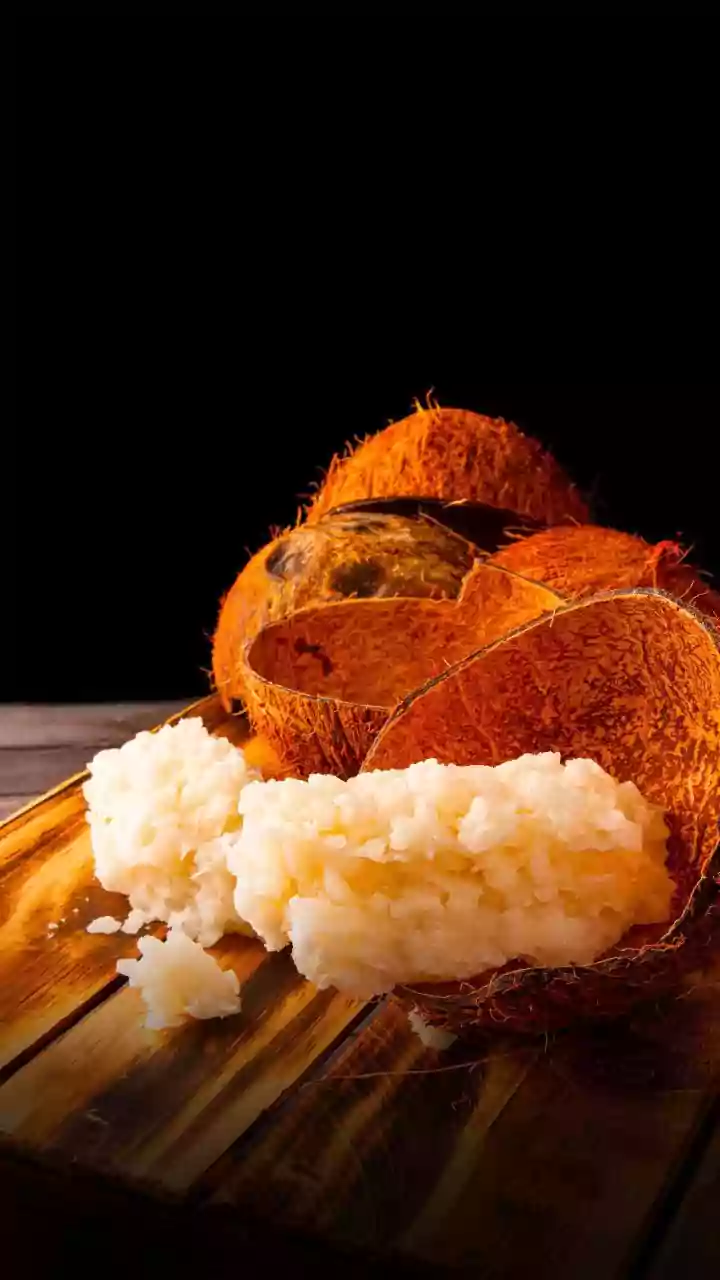
One of the most fascinating aspects of this dish is its versatility. In South Indian states like Tamil Nadu and Kerala, where it originated, idiyappam is a beloved breakfast staple. It is typically served as a savoury item, paired with rich and flavorful accompaniments like vegetable stews, egg curry, or a coconut-based chutney. However, as the dish travelled with migrant communities to countries like Malaysia, Singapore, and Indonesia, its identity shifted. In these regions, putu mayam is most often enjoyed as a sweet snack or dessert. Street vendors traditionally serve it cold or warm, topped with a generous helping of freshly grated coconut and sweetened with jaggery, palm sugar, or even simple granulated sugar.
The Art of the Noodle
The magic of putu mayam lies in its texture. Making it is a craft that requires a delicate touch. The process begins with creating a smooth, pliable dough from rice flour and hot water. This dough is then loaded into the press. Extruding the thin noodles requires some effort, and they are carefully layered onto steamer trays, often lined with banana leaves for an added subtle fragrance. The steaming process is quick, taking only a few minutes to cook the fine strands until they are soft and fluffy. While factory-made versions are now common, the texture of freshly handmade putu mayam is considered far superior, offering a lightness that almost melts in your mouth.
A Nostalgic Experience in India
For many in India, idiyappam is more than just a meal; it’s a food steeped in tradition and memory. It's a common feature during festive occasions, weddings, and birthdays. While the sweet version with coconut and sugar is also eaten in South India, especially in the Malabar region of Kerala, its primary role remains that of a main course component. The name itself, 'idiyappam', comes from the Tamil words 'idi' (meaning pressed) and 'appam' (a type of rice pancake), literally describing how it's made. Whether you call it idiyappam or putu mayam, its presence across the region speaks to a shared culinary heritage that has adapted to local tastes over generations.