





The Undisputed Champions: Cilantro and Basil
When it comes to avocado and tomato, cilantro is king. Its bright, citrusy notes are a cornerstone of guacamole and fresh salsas, cutting through the richness of the avocado while complementing the tomato's acidity. Whether used in a chunky pico de gallo
or a smooth, creamy dip, cilantro is almost always a winning choice. Equally beloved is basil, the heart of Italian-inspired tomato dishes. Its sweet, peppery flavour pairs beautifully with fresh tomatoes in salads and bruschetta. When avocado joins the mix, basil bridges the flavours, adding a layer of aromatic sweetness that enhances both core ingredients, making it perfect for simple, fresh preparations.
Exploring Beyond the Classics
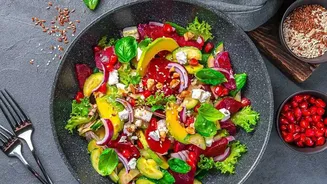
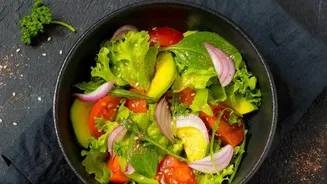
While cilantro and basil are staples, a world of other herbs can bring new dimensions to your dishes. Fresh mint, for example, offers a surprising and refreshing twist. Its cool, clean flavour provides a lovely contrast, especially in a summer salad with cherry tomatoes and diced avocado. Parsley brings a clean, grassy freshness that brightens everything without overpowering it, making it an excellent team player in any herb mix. For a mild onion-like flavour without the sharp bite, chives are a fantastic addition, adding a subtle, savoury depth to dressings and salads. And don't overlook oregano; its robust, earthy character works wonderfully, especially in cooked or roasted tomato and avocado dishes.
Fresh vs. Dried: A Question of Impact
The decision to use fresh or dried herbs depends entirely on the dish. For fresh preparations like salads, salsas, and bruschetta, fresh herbs are non-negotiable. Their vibrant flavour and delicate texture are essential to the final result. Robust herbs like oregano can be used dried, especially in cooked applications where their flavours have time to meld and infuse the dish. However, for more delicate herbs like basil, cilantro, and parsley, the dried versions offer a much duller, earthier flavour and are poor substitutes for the real thing. A general rule of thumb is to use fresh herbs for finishing a dish or for raw preparations, and to use dried herbs in sauces, stews, or roasts where they will be cooked for a longer period.
Technique Matters: Raw, Roasted, or Blended
How you prepare your avocado and tomato should guide your herb choice. For a simple raw salad, soft, leafy herbs like torn basil, chopped parsley, or fresh mint are perfect. They integrate easily without needing heat to release their flavour. If you're roasting tomatoes, heartier herbs like thyme or even rosemary can be added during cooking, as they stand up well to heat. For blended preparations like a creamy avocado dressing or a cheese-free pesto, basil is a star player, creating a smooth and flavourful sauce. The key is to add delicate herbs like cilantro and parsley at the end of the cooking process, or to use them raw, to preserve their fresh, bright notes.
Achieving Harmony and Balance
While it’s fun to experiment, the goal is to create a balanced flavour profile. The richness of avocado and the bright tang of tomato are a strong foundation, so the herbs should complement, not overwhelm. When mixing herbs, try to pair ones with complementary profiles. For instance, the fresh duo of mint and parsley works well together, as does the classic Mexican combination of cilantro and oregano. Be mindful of quantity. Start with a small amount, taste, and add more if needed. The best avocado and tomato dishes celebrate the main ingredients, with herbs acting as the perfect supporting cast, adding complexity, aroma, and a final flourish of freshness that makes the meal memorable.