




Understanding the Rabi Season
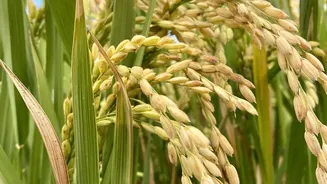
The Rabi season, which runs from October to March, is a critical period for Pakistan's agriculture. It's the primary season for growing wheat, the country's main staple food. Alongside wheat, farmers also plant other essential crops like barley, gram,
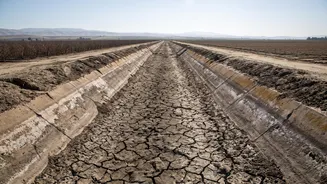
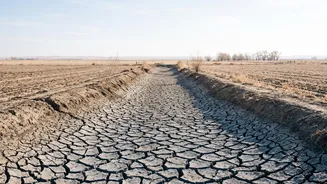
lentils, potatoes, and onions. More than 80% of Pakistan's agriculture relies on the vast irrigation system fed by the Indus River and its tributaries. Therefore, a shortfall in water availability during these months can have a direct and severe impact on crop yields and, by extension, food prices for millions.
The 22% Shortfall Explained
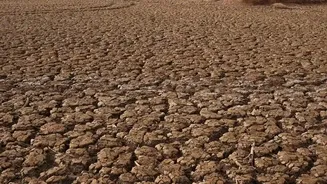
The Indus River System Authority (IRSA) is the regulatory body that manages and distributes water from the Indus basin to the provinces. Its advisory committee has calculated that for the 2026-27 Rabi season, there will be a significant 22% gap between the water required by provinces and the amount available in the system. This entire shortage will be borne by Punjab and Sindh, the two largest and most agriculturally vital provinces, as Balochistan and Khyber Pakhtunkhwa are exempt from cuts under the distribution formula. Total water availability for the season is anticipated to be around 29.18 million acre-feet (MAF), with Punjab allocated 15.56 MAF and Sindh 11.75 MAF.
Why Is There Less Water This Year?
The current scarcity is the result of several converging factors. Reservoir stocks were significantly lower heading into the season. On September 30, Pakistan's major reservoirs held 9.343 MAF, a sharp drop from 13.214 MAF at the same time last year and also below the ten-year average. This was caused by reduced river inflows during the preceding Kharif (summer) season, which were 22% lower than the previous year. Lower-than-average monsoon flows in the Jhelum and Chenab river systems contributed to the problem. Furthermore, IRSA has pointed to delays in key infrastructure expansion projects at the Tarbela Dam, which have limited its ability to store water and aggravated provincial shortages.
The Ripple Effect on Farmers and Food Prices
This water shortage comes at a time when Pakistan is already facing economic challenges and food inflation. The country failed to meet its wheat production target in the last season, despite having no water shortage then, leading to a shortfall of over 2 million tonnes and necessitating imports. Flour prices in September had already surged, rising 31.7% in urban areas and 34.3% in rural areas compared to the previous year. For farmers in Punjab and Sindh, the irrigation shortfall presents a difficult choice: either rely more heavily on expensive groundwater pumping, which increases their costs, or accept lower crop yields. Either outcome threatens to exacerbate the existing food security situation.
A Looming Challenge for the Economy
The projected underperformance of the Rabi crop, particularly wheat, could force Pakistan to increase its reliance on international markets. The government has already purchased 365,000 tonnes of wheat to cover previous deficits. An additional poor harvest could drive that number higher, putting further strain on the country's finances. The situation highlights the nation's vulnerability to fluctuations in the Indus basin, a lifeline for its economy that is increasingly under pressure from climatic changes and infrastructure challenges. The decisions made by IRSA and provincial governments in the coming weeks on how to manage the scarce water will be critical for farmers and consumers alike.