






It’s a debate that has ended friendships and sparked heated dinner table discussions for generations: is a tomato a fruit or a vegetable? The answer, it turns out, is a bit of both, revealing a fascinating clash between science and the kitchen.
The Scientific Truth
From a
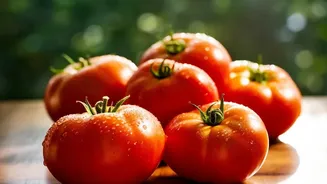
purely botanical standpoint, the answer is clear and simple: a tomato is a fruit. In the world of botany, a fruit is defined as the mature, seed-bearing structure that develops from the ovary of a flowering plant. Tomatoes grow from the small yellow flowers on the tomato plant and contain seeds, so they fit this definition perfectly. In fact, to get even more specific, botanists classify the tomato as a berry because it is a fleshy fruit without a pit that grows from a single ovary. This scientific classification puts tomatoes in the same family as apples, peaches, and watermelons, regardless of their savoury taste. The entire purpose of a fruit, botanically speaking, is to protect and help disperse the seeds of the plant.
The Culinary Reality
While science is clear, our kitchens tell a different story. In the culinary world, classification has less to do with seeds and ovaries and everything to do with flavour and usage. Chefs and home cooks categorise ingredients based on how they are used in a meal. Fruits are typically sweet or tart and are most often found in desserts, juices, or eaten as snacks. Vegetables, on the other hand, are generally milder or more savoury and form the basis of main courses and side dishes. Because we use tomatoes in savoury sauces, soups, salads, and curries, they are treated as vegetables in almost every culinary context. The common wisdom is simple: you wouldn't put a tomato in a fruit salad.
When the Supreme Court Weighed In
This botanical-culinary divide became so significant that it once reached the highest court in the United States. In 1893, the U.S. Supreme Court heard the case of Nix v. Hedden. The issue was financial: the Tariff Act of 1883 imposed a tax on imported vegetables, but not on fruits. An importer, John Nix, sued the Collector of the Port of New York, arguing that his imported tomatoes were botanically fruits and should therefore be exempt from the tax. After hearing arguments, which included reading dictionary definitions of various produce, the court made a landmark decision. They unanimously ruled that while tomatoes are indeed the 'fruit of a vine' in a botanical sense, in the common language of the people and for the purposes of trade and commerce, they are vegetables. The court’s reasoning was based on how people actually use tomatoes—serving them at dinner with the main meal, not as a dessert. And so, legally at least, the tomato was declared a vegetable.
You're Cooking With More Fruits Than You Think
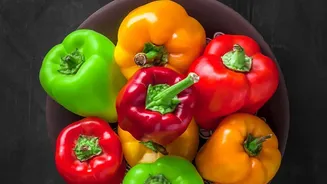
The tomato is the most famous example of this dual identity, but it's far from alone. Many of the foods we call vegetables are, botanically speaking, fruits. Because they develop from a flower and contain seeds, items like cucumbers, bell peppers (capsicum), eggplants (brinjal), pumpkins, squash, and zucchini are all technically fruits. Cucumbers and pumpkins are part of the gourd family, while eggplants are classified as berries. Olives and avocados also fit the botanical definition of a fruit. This just goes to show how our culinary traditions have shaped our language around food, creating a practical system for the kitchen that often diverges from the precise classifications of science. The next time you make a salad with cucumbers and bell peppers, you can delight in the fact that you're enjoying a bowl full of botanical fruits.