






Why the Monsoon is a High-Risk Season
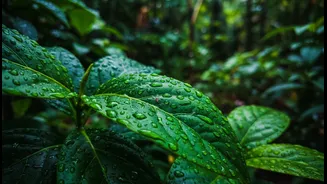
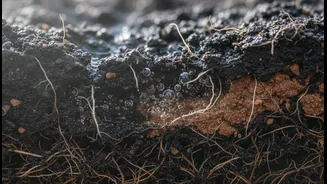
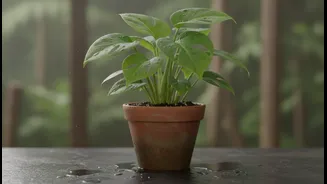
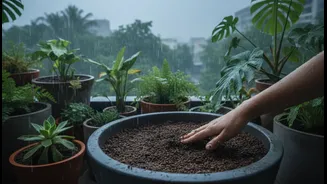
During the monsoon, the combination of heavy rainfall and high humidity means soil stays wet for much longer than usual. While plants need water, their roots also need oxygen to survive. When soil becomes waterlogged, air pockets disappear, effectively
drowning the roots. This oxygen-deprived environment is the perfect breeding ground for fungal pathogens that cause root rot. A healthy plant can start showing signs of distress quickly if its pot cannot get rid of excess water, a problem that begins at the very bottom.
The Drainage Hole Dilemma
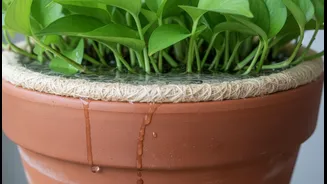
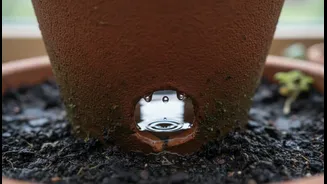
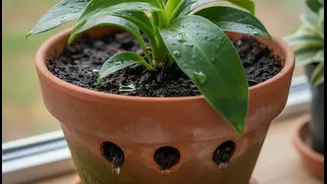
Every pot needs drainage, but a hole isn't always enough. Over time, these crucial exits can become blocked. Compacted soil, often from using heavy garden soil in pots, is a primary culprit. Plant roots themselves can grow downwards and clog the hole, creating a seal. Mineral and salt buildup from fertilizers can also accumulate and obstruct water flow. When the monsoon arrives, a pot with a blocked drainage hole essentially becomes a bucket with no outlet, trapping water and guaranteeing a waterlogged disaster for the roots within.
Early Warning Signs of Root Rot
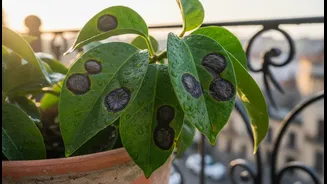
Root rot is sneaky because it starts below the surface. However, there are clear signs to watch for. The most telling symptom is a plant that looks wilted and thirsty even when the soil is damp to the touch. This happens because the decaying roots can no longer absorb water and nutrients. Other key indicators include yellowing leaves (especially lower ones), stunted growth, and a foul, swampy, or musty odour coming from the soil. If you suspect a problem, the only way to be certain is to gently remove the plant and inspect its roots. Healthy roots are firm and typically white or tan, while rotten roots will be brown or black, soft, and mushy.
Emergency Care for Waterlogged Plants
If you discover your plant is suffering, you must act quickly. First, carefully remove the plant from its pot and gently rinse the soil from the roots to get a clear look. Using a pair of clean, sterilised scissors, trim away all the mushy, brown, or black roots until only healthy, firm tissue remains. If you have to remove a significant portion of the roots, prune a similar amount of the plant's top growth to reduce stress, as the compromised root system won't be able to support all the foliage. Let the healthy roots air-dry for a few hours before repotting into a clean pot with fresh, dry, well-draining soil. Do not water it immediately; wait a few days to let the roots recover.
Your Proactive Monsoon Prevention Plan
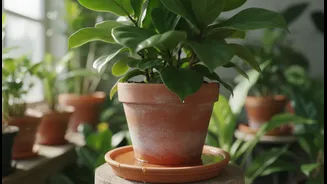
Prevention is always better than a cure. Before the rains set in, inspect all your pots to ensure the drainage holes are clear. For large pots, consider drilling extra holes. Elevating your pots on feet or bricks ensures water can escape freely and isn't blocked by the ground or saucer. Most importantly, use the right soil mix. Avoid using 100% garden soil, which compacts easily. A good mix for Indian monsoon conditions often includes cocopeat for structure, compost for nutrients, and coarse sand or perlite to improve aeration and drainage. This creates a light, breathable environment that prevents waterlogging and keeps roots healthy even during heavy downpours.