






The Nolan Standard of Filmmaking
Christopher Nolan is a director obsessed with the tangible. In an age of digital convenience, he remains one of cinema's most passionate advocates for shooting on physical film. For Nolan, the texture, depth, and sheer grandeur of celluloid is not just
a stylistic choice; it is the pinnacle of the cinematic experience. His films, from the mind-bending 'Inception' to the historical gravitas of 'Oppenheimer,' are crafted to overwhelm the senses. He champions practical effects over computer-generated imagery and, most importantly, the unparalleled visual information captured on large-format film. This purist approach is why his new film, 'The Odyssey,' a retelling of Homer's epic, is being released in a format so exclusive that it creates an instant cinematic pilgrimage for his most dedicated fans.
Decoding IMAX 15/70mm Film
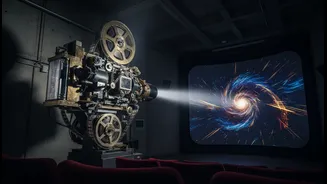
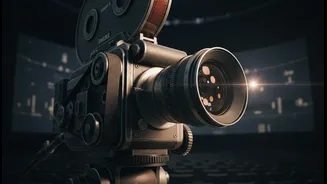
So, what is this technology that's in such short supply? It’s called IMAX 15/70mm film. In simple terms, it's the biggest and best film format ever created. Each frame of film is enormous—roughly nine times larger than a standard 35mm frame. This massive canvas captures an astonishing amount of detail, creating an image so clear and crisp that it’s often compared to looking through a window rather than at a screen. The '15/70' refers to the 15 perforations (the sprocket holes on the side) for each frame on the 70mm wide film. When projected, it fills giant screens that are often over six stories high, with a unique 1.43:1 aspect ratio that shows audiences 40% more picture than any other format. This is the format Nolan shot 'The Odyssey' on, and it’s the only way to see the entire, un-cropped image as he composed it.
The Anatomy of Scarcity
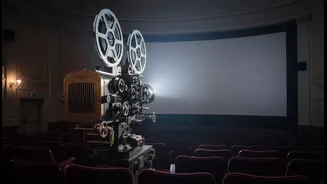
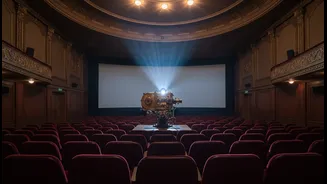
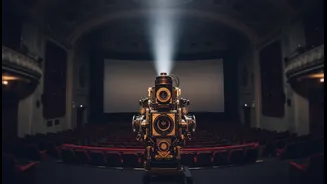
If IMAX 70mm is so great, why are there only 41 projectors on the entire planet? The answer is a mix of technology, cost, and logistics. When most cinemas transitioned to digital projection in the 2000s, the bulky, expensive, and complex film projectors were decommissioned. An IMAX 15/70mm projector is a mechanical beast, the size of a small car, and requires a highly trained—and now very rare—specialist to operate it. The film prints themselves are another challenge. A print of 'The Odyssey' weighs over 270 kilograms and is nearly 18 kilometres long. The infrastructure required to install, maintain, and run this equipment is immense. While the success of 'Oppenheimer' prompted more theatres to get equipped for 'The Odyssey', the number remains incredibly small, turning these 41 locations into shrines for cinematic purists.
Is It Worth the Hype?
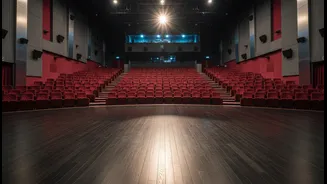
For those lucky enough to be near one of these select theatres, the experience is reportedly unlike any other. The combination of the massive screen, the immersive aspect ratio, and the breathtaking resolution of the film print creates a sense of total immersion. You don’t just watch the movie; you feel like you are inside it. Viewers who saw 'Oppenheimer' in this format described a level of clarity and scale that digital projection simply cannot replicate. It’s the difference between listening to a compressed MP3 file and hearing a live orchestra. With 'The Odyssey' being the first film shot entirely on IMAX cameras, Nolan is making a powerful statement about the art of cinema. He believes the spectacle of the medium is worth preserving, even if only a fraction of the audience can see it in its ultimate form. For film lovers, the hunt for one of those 41 seats is part of the magic.