


The Art of Slow Power: Understanding Tai Chi
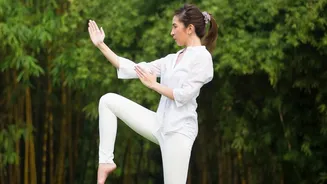
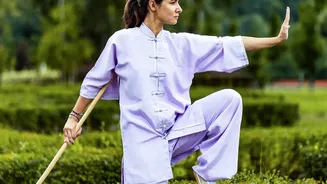
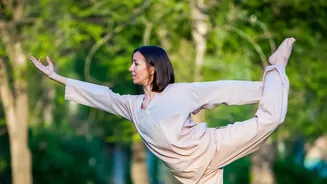
Often described as “meditation in motion,” Tai Chi is an ancient Chinese practice that combines gentle, flowing movements with deep breathing and mental focus. It’s a non-competitive, self-paced system where each posture melts into the next, ensuring
the body is in constant, deliberate motion. The core idea is to cultivate and balance the body's life energy, or “qi.” While it may look deceptively simple, this practice is a powerful tool for building functional strength, especially in the core, back, and legs. Because the movements are slow and controlled, they place very little stress on the joints, making it an ideal exercise for people of all ages and fitness levels, including those with arthritis.
The Engine of Repetition: The World of Cycling
Cycling, whether on a stationary bike or the open road, is a formidable cardiovascular workout. It’s an aerobic activity that gets your heart, lungs, and blood vessels working hard, improving your overall fitness level. The repetitive motion of pedalling builds significant strength and endurance in the lower body, targeting the quads, glutes, hamstrings, and calves. Unlike high-impact exercises like running, cycling is gentle on the joints, making it a sustainable choice for many. It can be as intense or as relaxed as you wish, from a leisurely ride in the park to a demanding uphill climb, making it accessible for beginners and seasoned athletes alike.
Mind vs. Muscle: A Tale of Two Philosophies
The mental approach to Tai Chi and cycling is fundamentally different. Tai Chi demands a deep internal focus. Practitioners are encouraged to be present in the moment, paying close attention to their breath and the subtle shifts in their body. This mindful concentration helps calm the nervous system, reduce stress, and lower anxiety and depression. Cycling can also be meditative, as the steady rhythm can create a trance-like state. However, it often involves a more external focus on metrics like speed, distance, or heart rate. The goal is often performance-based, pushing physical limits to build stamina and power. The mental boost from cycling often comes from the endorphin rush and sense of accomplishment after a vigorous ride.
A Study in Contrasts: Key Health Benefits
When it comes to health outcomes, each discipline shines in different areas. Tai Chi is unparalleled for improving balance, flexibility, and coordination. This makes it particularly effective at reducing the risk of falls, especially in older adults. Some research even suggests that Tai Chi can be more effective than aerobic exercises at lowering blood pressure, possibly due to its strong emphasis on relaxation and mindfulness. On the other hand, cycling is a champion of cardiovascular health. Regular cycling strengthens the heart muscle, lowers resting pulse, and reduces the risk of heart disease and stroke. As a vigorous aerobic exercise, it's also a highly effective way to manage weight and burn calories.
Can Opposites Attract in Your Fitness Routine?
Instead of viewing these activities as an either-or choice, consider how they can complement each other. The strengths of one practice directly address the weaknesses of the other. For a cyclist, incorporating Tai Chi can improve core strength, posture, and balance, all of which are crucial for control and efficiency on the bike. The improved body awareness from Tai Chi can also help prevent injuries. For the Tai Chi practitioner, cycling provides the high-intensity aerobic conditioning that the slow-moving art form lacks, leading to greater cardiovascular fitness and endurance. Blending the mindful control of Tai Chi with the powerful engine of cycling can create a truly holistic and balanced fitness plan that nurtures both the body and the mind.