



The Contenders: A Tale of Two Origins
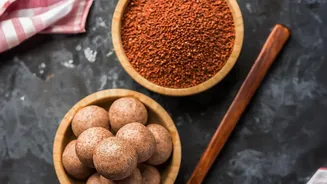
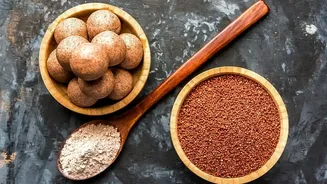
Ragi, also known as finger millet, is a homegrown hero. For centuries, it has been a staple grain across India, especially in the southern states, valued for its resilience and dense nutrition. It's deeply woven into our culinary traditions, from comforting
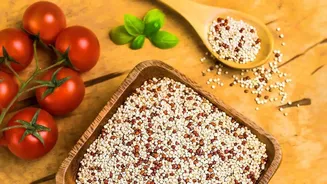
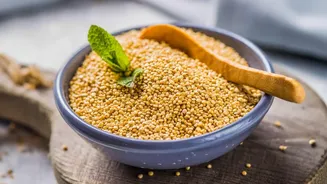
porridges to hearty rotis. Quinoa, on the other hand, is a relative newcomer to Indian kitchens. Hailing from the Andean region of South America, this seed (often treated as a grain) gained international fame for its unique protein profile and has since become a favourite in health-conscious circles worldwide.
Nutritional Face-Off: Calcium vs. Protein
This is where the two grains really diverge. Ragi's undisputed crown is its calcium content. At approximately 344mg per 100g, it is one of the richest plant-based sources of calcium, making it exceptional for bone health. Quinoa's claim to fame is its protein. It provides around 13-14g of protein per 100g and is considered a 'complete protein' because it contains all nine essential amino acids, a rarity in the plant world. While ragi has less protein (about 7g per 100g), quinoa has significantly less calcium (around 47-198mg per 100g). Quinoa also generally offers more iron and folate, whereas ragi is a good source of dietary fibre.
The Kitchen Test: Flavour and Texture
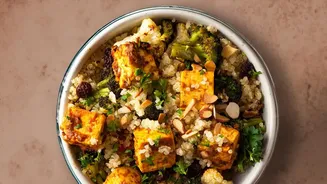
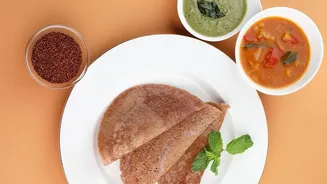
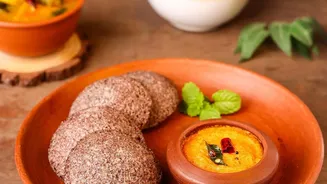
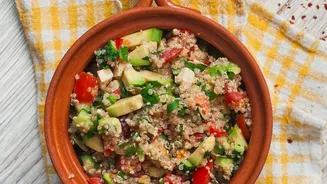
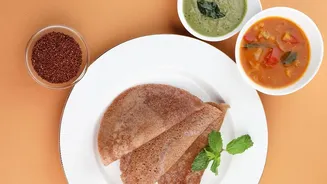
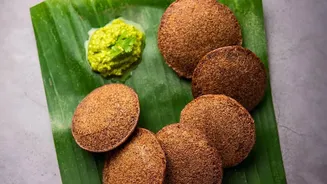
In the kitchen, ragi and quinoa behave very differently. Ragi has a distinct, earthy, and slightly nutty flavour. When used as a flour, it produces dense, soft, and deeply coloured flatbreads (rotis), dosas, and idlis. It's also traditionally used to make a thick porridge known as 'ragi mudde'. Quinoa has a much milder, subtler taste. After cooking, the seeds become light and fluffy, similar to couscous. This makes quinoa incredibly versatile. It works well as a base for salads and bowls, as a substitute for rice in pulao or upma, and can be added to soups for texture.
Best Culinary Uses
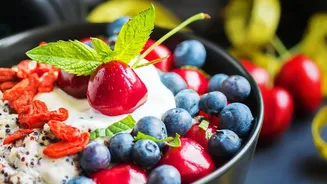
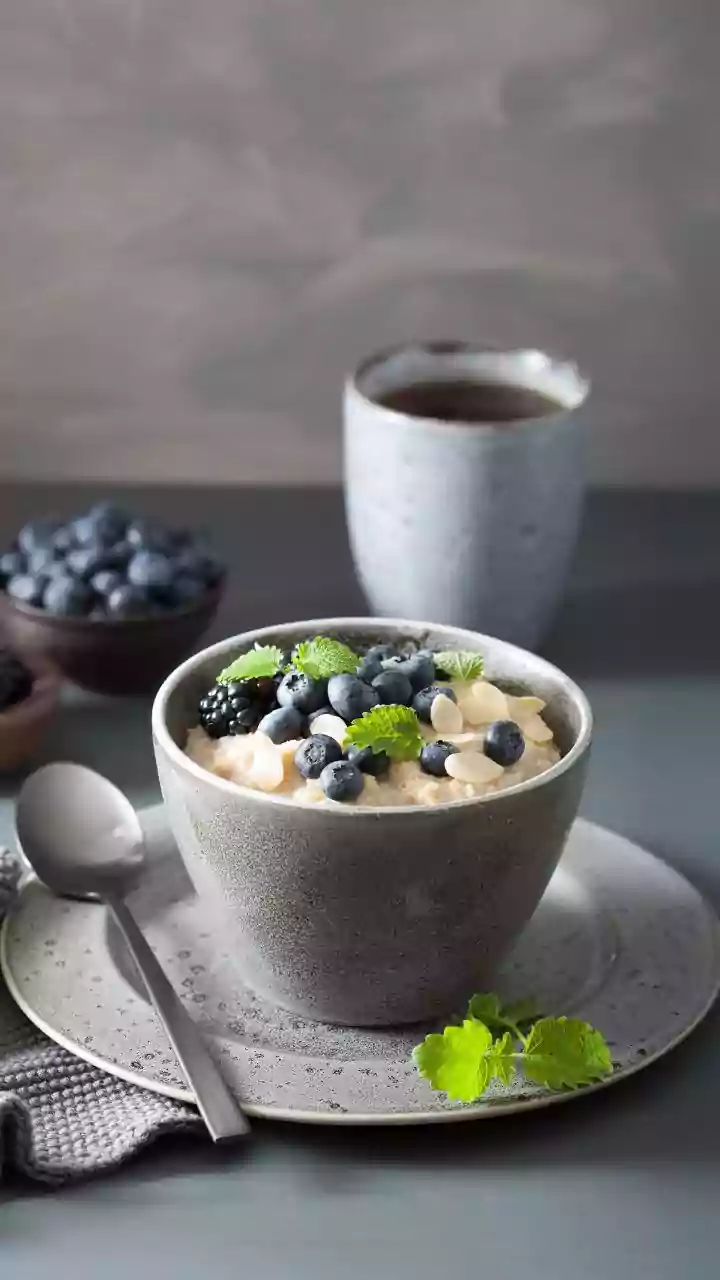
Choose ragi for traditional Indian preparations where its earthy flavour and binding properties are an advantage. It excels in recipes like ragi roti, dosa, porridge (malt), idli, and even baked goods like cookies and brownies where it adds a rustic, nutritious character. Turn to quinoa when you want a light, high-protein base that absorbs other flavours well. It is ideal for modern, healthy dishes like protein-packed salads, breakfast bowls topped with fruits and nuts, or as a simple side dish instead of rice. You can even find interesting fusion recipes that combine the two, like a ragi-quinoa dosa.
Cost and Availability in India
For the Indian consumer, this is a major deciding factor. Ragi is a locally grown millet, making it widely available and significantly more affordable. You can find ragi grains and flour in almost any local market or kirana store at a budget-friendly price. Quinoa, being an imported product, is considerably more expensive and is typically found in supermarkets, health food stores, and online. For daily consumption, ragi is the far more economical and sustainable choice for most Indian households.