



The Ambitious Cadence
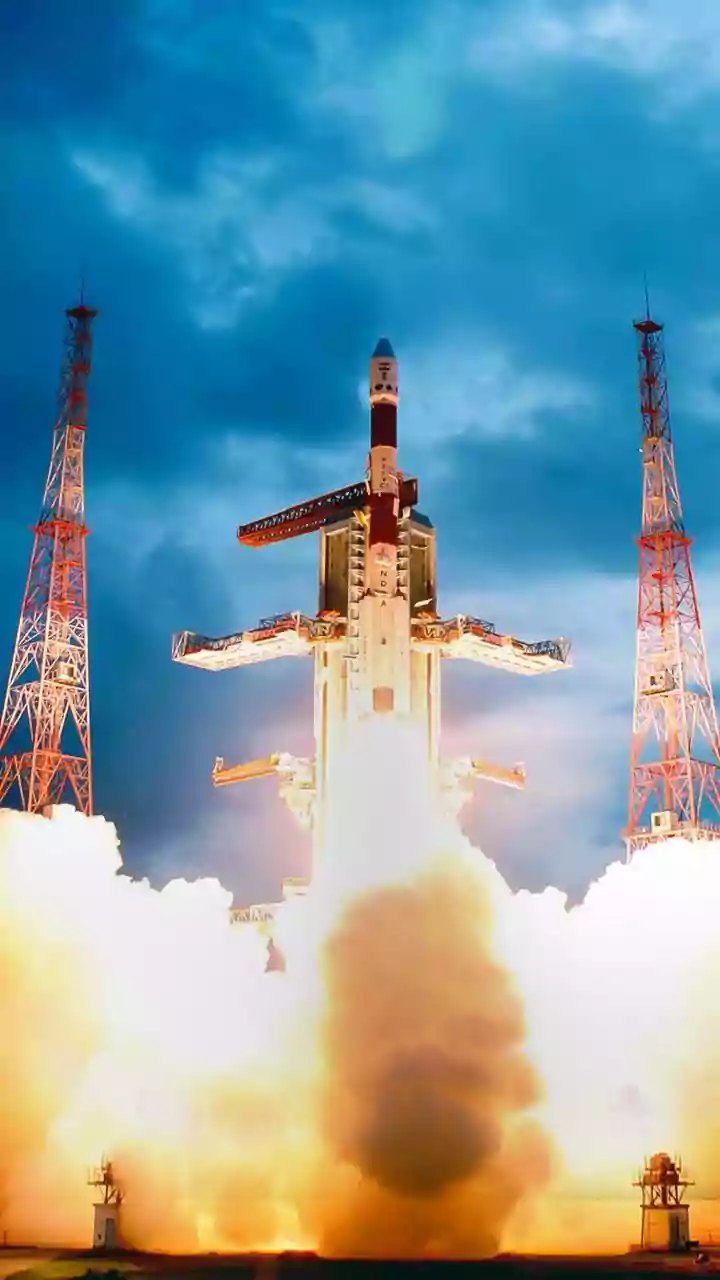
In the world of space exploration, launching a rocket is a monumental achievement. Launching one every month is a game-changer. Skyroot Aerospace, India's first private company to send a rocket into orbit, is aiming for just that. Following the successful
'Aagaman' mission of its Vikram-1 vehicle, co-founder and CEO Pawan Kumar Chandana announced the target of building capacity for one launch per month starting in 2027. This high-frequency launch schedule, known as cadence, is the holy grail for modern space companies. It transforms space access from a rare, expensive event into a routine, predictable service. Achieving this would not only position Skyroot as a major player in the global small satellite launch market but also serve as a powerful catalyst for India's entire space ecosystem, which has grown from fewer than ten startups to over 450 in just six years.
The Challenge of Finding Customers
Building a rocket is one thing; building a sustainable business is another. A monthly launch cadence is impossible without a steady stream of customers who need to send their satellites into space. The global market for small satellite launches is booming, with demand driven by communications, Earth observation, and defence. However, it is also intensely competitive. Skyroot must compete with established international players like SpaceX and Rocket Lab, which have already cornered significant market share through proven reliability and aggressive pricing. To succeed, Skyroot will rely on its key advantages: lower costs derived from a 90% domestic supply chain and skilled local talent. The company has already secured partnerships with firms like Exolaunch to offer services globally. Furthermore, a push for 'Buy Indigenous Space-Tech' procurement quotas, requiring government ministries to source services from Indian private firms, could provide a crucial baseline of domestic demand to support its scaling ambitions.
The Non-Negotiable Quest for Reliability
In the space business, trust is everything. Satellite operators invest millions in their payloads and cannot afford failures. While Skyroot’s flawless maiden orbital launch of Vikram-1 was a historic first for any private company globally, the challenge now is to prove it was not a one-off success. The company has to repeat this performance consistently. As co-founder Bharath Daka notes, the focus now shifts from pure engineering to manufacturing quality and operational discipline. Each successful launch builds confidence, making it easier to attract customers and secure favourable insurance terms. A single failure can set a company back years, not just financially, but also in terms of reputation. Skyroot plans another test flight in late 2026 before starting commercial operations, meticulously analysing data to refine its systems and prove that reliability is built into its DNA.
The Bottleneck of Range Access
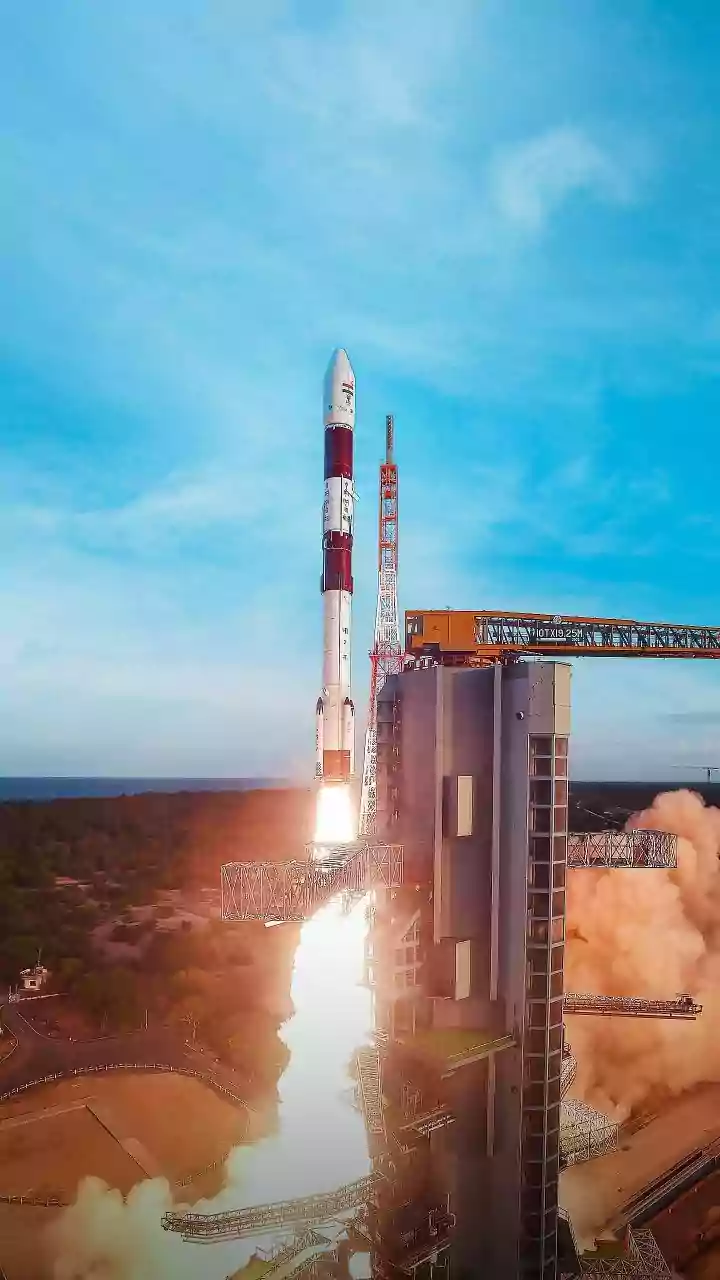
A rocket company needs more than just rockets and customers; it needs a place to launch. Currently, India’s primary spaceport at Satish Dhawan Space Centre in Sriharikota is controlled by ISRO. While the government and ISRO have been incredibly supportive, providing access to testing facilities and launch infrastructure, sharing a single launch complex creates logistical bottlenecks. Achieving a monthly launch cadence requires streamlined, almost exclusive, access to launch pads, integration facilities, and tracking support. The establishment of IN-SPACe, India's single-window agency for private space activities, is a critical step in managing this process. IN-SPACe facilitates access to ISRO's facilities and authorises private launches, but as more private players like Agnikul Cosmos emerge, the demand on these shared resources will only intensify. For Skyroot's monthly ambition to become a reality, India may need to develop new launch infrastructure or create highly efficient scheduling and operational protocols at its existing sites to accommodate the fast-paced tempo of commercial launches alongside ISRO's own important national missions.