





A Pre-Dawn Blessing Called Sargi
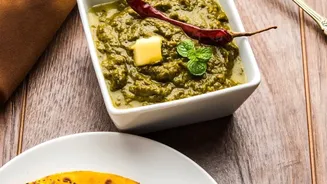
The day of Karwa Chauth begins in the quiet, pre-dawn hours with a ritual known as Sargi. This is not just a meal to sustain a woman through a day-long fast without food or water; it is a profound gesture of love and support. Traditionally, the Sargi is a thali,
or platter, prepared and gifted by a mother-in-law to her daughter-in-law. It typically includes a mix of light, nutritious foods like fresh fruits, dry fruits, sweets, and simple dishes like vermicelli kheer. More than the food itself, Sargi symbolises the mother-in-law’s blessings, care, and wish for her daughter-in-law to complete her fast with ease. It's an act that strengthens the bond between them, setting a tone of familial support for the entire day.
The Day-Long Fast of Devotion
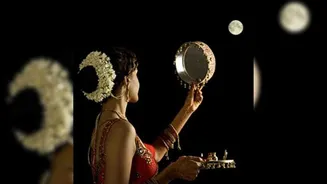
From sunrise until the moon is sighted at night, women observe a strict 'nirjala' fast, abstaining from both food and water. This act of devotion is undertaken for the well-being, longevity, and prosperity of their husbands. While rooted in ancient tradition, the fast is also a day of reflection, prayer, and personal resolve. Women often spend the day in festive activities, decorating their hands with mehendi, preparing for the evening prayer, and connecting with friends and relatives who are also observing the fast. It transforms a personal sacrifice into a shared cultural experience, reinforcing a sense of community among women.
The Evening Puja: A Circle of Sisterhood
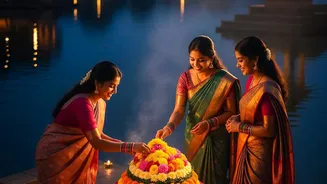
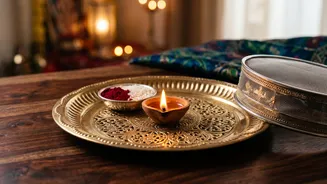
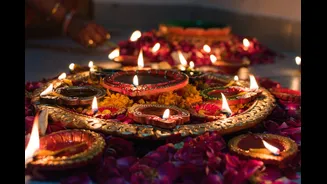
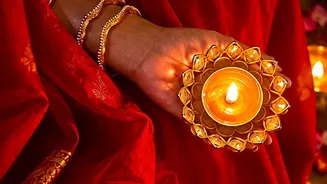
As dusk approaches, the spiritual heart of the festival unfolds: the evening puja. Married women, often dressed in vibrant new sarees in shades of red or pink, gather together in a home, temple, or garden. At the centre of the ritual is the puja thali, a decorated plate holding items like a diya (earthen lamp), flowers, rice, sweets, and a metal urn filled with water. An elderly woman or a pujarin typically leads the group, narrating the Karwa Chauth 'katha' or legend. In a beautiful display of unity, the women often sit in a circle and pass their thalis around as they listen to the story and sing traditional songs. This communal prayer is not just for individual husbands but becomes a collective blessing for all, fostering a powerful sense of sisterhood.
The Legend of Queen Veervati
The most popular story told during the puja is that of Queen Veervati. The legend speaks of a devoted queen who was the only sister to seven loving brothers. Observing her first Karwa Chauth fast, she grew weak with hunger and thirst. Seeing her distress, her brothers tricked her by creating a false moonrise using a mirror in a tree. The moment she broke her fast, news arrived that her husband, the king, had died. Devastated, she prayed fervently to Goddess Parvati, who revealed the trickery. The goddess advised her to re-do the fast with unwavering devotion. Veervati did so, and her faith was rewarded when the god of death, Yama, restored her husband's life. This story serves as a cautionary tale about the importance of completing the ritual with faith and patience.
Modern Love and Evolving Traditions
While the core rituals remain, Karwa Chauth is evolving with the times. In many modern households, the festival has become a celebration of mutual love and partnership rather than a one-sided observance. It's increasingly common to see husbands fasting alongside their wives as a gesture of solidarity, equality, and shared devotion. This shift reframes the festival from a purely patriarchal tradition to one that honours the couple's bond. For many, it has become a romantic day, a sort of Indian Valentine's Day, where couples recommit to supporting each other, turning an ancient ritual into a modern expression of their relationship.