


Why is Cumin Adulterated?
The primary reason for cumin adulteration is economic. Cumin has high market demand but its production can be costly. To increase their profit margins, some unethical sellers mix cumin with cheaper, look-alike substances to increase the bulk and weight
of the product. These adulterants are often difficult to spot with the naked eye, allowing them to pass undetected into the market. Seizures of large quantities of fake cumin in places like Gujarat and Maharashtra highlight the scale of this problem in India.
What Are The Common Adulterants?
Both cumin seeds and powder are targets for adulteration. In whole seeds, common adulterants include wild grass seeds, which are sometimes coloured with charcoal dust to look like real jeera. Fennel seeds are also sometimes mixed in. For cumin powder, the possibilities are broader and harder to detect. These can include fine sawdust, husk, chalk powder, and starch from rice or corn flour to add bulk. Some of these substances are harmless fillers, but others, like certain artificial dyes, can pose health risks.
Test 1: The Visual and Aroma Check
Your first line of defence is a simple sensory inspection. Pure cumin seeds are typically uniform in size with a brownish-grey colour and distinct ridges. If a batch looks overly dark or contains seeds that are unusually straight or thin, it might contain dyed grass seeds. Now, crush a few seeds between your fingers. Genuine cumin will release a strong, warm, and nutty aroma. If the smell is faint, grassy, or non-existent, the product is likely of poor quality or adulterated.
Test 2: The Palm Rub Test
A quick and effective method recommended by the Food Safety and Standards Authority of India (FSSAI) is the palm rub test. Take a small number of cumin seeds and rub them vigorously between your palms for about 15-20 seconds. Now, look at your hands. If your palms are clean, the cumin is likely pure. However, if you see a black or grey residue, it’s a strong indication that the seeds have been coated with charcoal dust or another artificial colour.
Test 3: The Water Test
The water test works well for both seeds and powder. For seeds, drop a spoonful into a glass of water. Pure cumin seeds are dense and will gradually sink. If many of the seeds float or if the water immediately turns dark or cloudy, it suggests the presence of lightweight adulterants or artificial colouring. Similarly, when testing cumin powder, pure spice will disperse slowly. Adulterated powder, especially with added colours, may release streaks of colour instantly, while heavy fillers like chalk or stone powder will settle quickly at the bottom.
How to Buy Cumin Safely
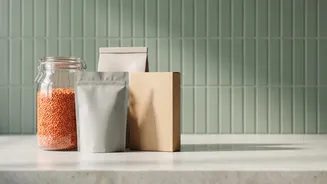
While home tests are useful, smart purchasing habits are crucial. Whenever possible, opt for whole cumin seeds instead of powder, as adulteration is easier to spot visually in whole spices. Buy from trusted, reputable brands and look for sealed packages with clear labelling, including the FSSAI logo, which indicates compliance with food safety standards. Avoid buying spices loose from unverified sources, and be wary of prices that seem too good to be true. Storing your cumin in an airtight container in a cool, dark place will also help preserve its quality and aroma.