




What’s in a Block? Composition Matters
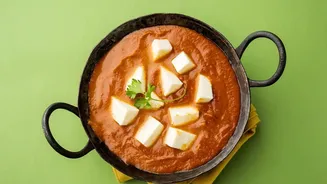
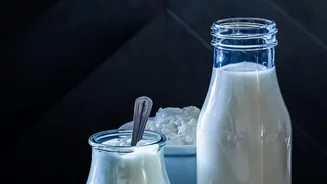
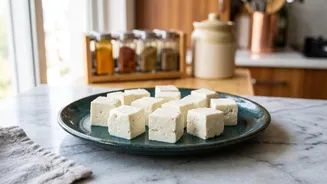
Traditional paneer has a simple, ancient recipe: milk is heated and then curdled with an acidic ingredient like lemon juice or vinegar. The resulting solids (curds) are strained and pressed into a block. It’s a fresh cheese that relies on the natural
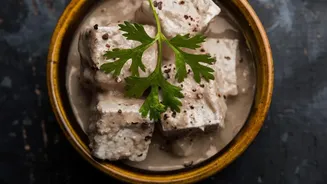
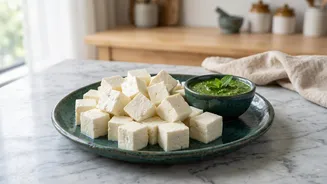
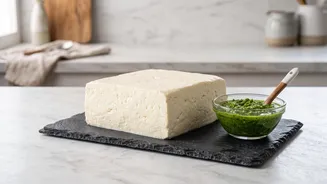
proteins and fats in cow or buffalo milk. Non-dairy analogues, on the other hand, are designed to mimic this texture using very different ingredients. The most common substitute is tofu, which is made by coagulating soy milk and pressing the curds. However, the term 'analogue' can cover a wide range of products. Some are made from vegetable fats, starches, and emulsifiers to achieve a paneer-like consistency. Newer, homemade versions might even use nuts or seeds, like watermelon seeds, to create a 'paneer' block.
The Nutritional Showdown
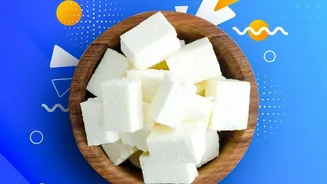
This is where the differences become most apparent. Dairy paneer is a powerhouse of protein and fat. A 100-gram serving of full-fat paneer typically contains around 18-19 grams of protein and over 20 grams of fat, making it quite calorie-dense. It's also a natural source of calcium and, importantly, vitamin B12, which is absent in most plant-based foods unless they are fortified. Firm tofu, a popular alternative, is generally lower in calories and fat. While it's also a good source of protein, the amount can vary. Some sources suggest paneer has more protein by weight, while others note that a typical serving of tofu might end up providing more protein overall. Tofu is cholesterol-free and often contains more iron and fibre, which paneer lacks entirely. Other analogues made from vegetable fats and starches can have unpredictable nutritional profiles, often with lower protein and calcium unless fortified.
Taste, Texture, and Cooking
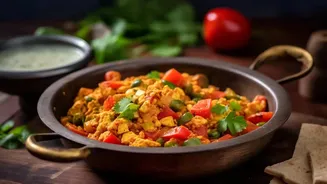
In the kitchen, paneer and its analogues behave differently. Dairy paneer has a rich, creamy flavour and a dense, slightly crumbly texture. It holds its shape well when heated and doesn't melt, making it perfect for grilling or pan-frying, where it develops a delicious golden-brown crust. Tofu is much more of a blank canvas. It has a neutral flavour and a softer, more absorbent texture, which means it excels at soaking up the flavours of marinades and sauces. While extra-firm tofu can be pan-fried to mimic paneer, its internal texture remains distinct. Other plant-based analogues are specifically engineered to replicate the feel and cooking properties of paneer, but the final taste and mouthfeel can vary widely depending on the ingredients used, such as palm oil or various starches.
Reading the Labels: How to Be Sure
So, how do you know what you’re buying? The Food Safety and Standards Authority of India (FSSAI) has stepped in to reduce consumer confusion. Regulations state that the term 'milk' can only be used for mammary secretions, and by extension, terms like 'cheese' or 'paneer' are reserved for products made from dairy milk. Plant-based products cannot use these dairy terms. In late 2026, the FSSAI proposed further restrictions to prevent non-milk-based products from being named or marketed as 'paneer'. When you’re shopping, the ingredients list is your best friend. For real paneer, the list will be short and simple: milk and an acidulant. For a non-dairy analogue, you’ll see ingredients like soybeans (for tofu), vegetable oils, starches, emulsifiers, or nuts and seeds. The packaging should clearly state if it's a 'plant-based' or 'non-dairy' product.
Which One Is Right for You?
There’s no single 'better' option; the right choice depends entirely on your dietary needs and goals. Dairy paneer is an excellent choice for lacto-vegetarians looking for a high-protein, high-energy food, and it’s a great natural source of calcium. However, it contains saturated fat and cholesterol, and it's not suitable for those who are vegan or lactose intolerant. Tofu is a fantastic alternative for vegans, people with lactose intolerance, or anyone looking for a lower-calorie, cholesterol-free protein source that's also rich in iron. Other non-dairy analogues can be useful for those avoiding dairy, but it's crucial to read the label to understand their nutritional content, as some can be highly processed and less nutritious than either paneer or tofu.