


The Art of the Sweet Swap
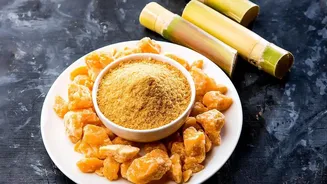
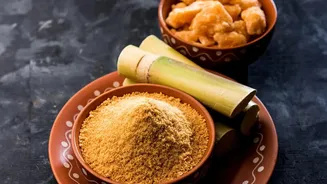
Before diving into specific recipes, it helps to understand how jaggery behaves differently from sugar. Jaggery, or 'gur', is unrefined and retains molasses, which gives it a distinct flavour, a darker colour, and more moisture. This means it can make
sweets softer and chewier. As a general rule, you may need slightly more jaggery to achieve the same level of sweetness as sugar; a 1.25:1 ratio of jaggery to sugar is a good starting point. A crucial tip, especially for milk-based desserts like kheer, is to add the jaggery after taking the pot off the flame. This prevents the milk from curdling and ensures a smooth, creamy texture.
1. Payasam: A Deeper, Golden Embrace
Payasam, or kheer, is a staple at festive gatherings. While sugar-based payasam is light and allows flavours like cardamom and saffron to shine, jaggery changes the game entirely. Using jaggery gives the pudding a beautiful golden-brown hue and a more complex, earthy sweetness. The flavour profile shifts from simple sweetness to a rich medley of caramel and a hint of smokiness that feels deeply comforting and traditional. The aroma, too, becomes more intense when jaggery is combined with ghee and coconut milk, creating an intoxicating fragrance that instantly signals a special occasion.
2. Gajar ka Halwa: An Earthy, Winter Classic
Gajar ka Halwa is a beloved winter dessert across North India. Traditionally made with heaps of sugar, a version with jaggery offers a more rustic and arguably more interesting taste. The inherent earthiness of the carrots is beautifully complemented by the molasses-rich sweetness of jaggery, creating a halwa that feels less intensely sweet and more layered. The jaggery also imparts a deeper, darker colour to the halwa. This swap is not just about flavour; jaggery is packed with minerals like iron, making this indulgent treat feel a little more wholesome.
3. Coconut Ladoo: A Chewier, Healthier Bite
Coconut and jaggery are a classic combination for a reason. In Nariyal ke Ladoo, replacing sugar with jaggery results in a treat that is not only delicious but also carries a host of benefits. The jaggery gives the ladoos a soft, chewy texture and a warm, caramel flavour that pairs perfectly with the nuttiness of the coconut. Unlike refined sugar, jaggery is a source of iron and other minerals, which helps in boosting haemoglobin. Coconut provides healthy fats in the form of MCTs, which offer sustained energy. This makes coconut jaggery ladoos a wonderfully satisfying, guilt-free indulgence.
4. Puran Poli: The Soulful, Stuffed Flatbread
For many, the smell of Puran Poli is the smell of festivals like Holi and Gudi Padwa. This Maharashtrian flatbread is stuffed with a sweet lentil filling, and jaggery is the traditional choice for the 'puran'. While sugar can be used, it's the jaggery that provides the authentic, deep, and aromatic flavour that defines the dish. It melts with the cooked chana dal to create a smooth, fragrant paste, perfumed with cardamom and nutmeg. The result is a soft, melt-in-your-mouth flatbread where the sweetness is rich and complex, not just sharp and sugary.
5. Sandesh: A Delicate Bengali Twist
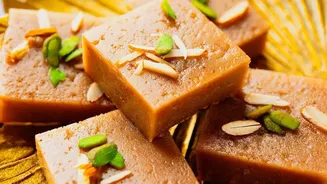
While many desserts benefit from the robust flavour of sugarcane jaggery, some are transformed by its more delicate cousin: Nolen Gur, or date palm jaggery. A winter delicacy in Bengal, Nolen Gur has a unique, almost smoky and perfumed flavour that is legendary. When used to make Sandesh, a sweet made from fresh paneer (chenna), it creates something truly special. The chenna is kneaded until smooth and then cooked gently with the Nolen Gur until the mixture comes together. The resulting sweet is incredibly soft, with a subtle, sophisticated sweetness and a divine aroma that you simply cannot get from sugar.