




The Art of Alignment: Pilates and the Deep Core
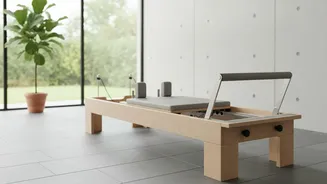
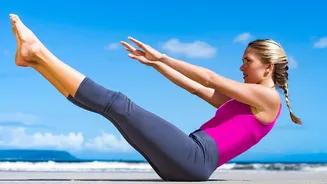
Pilates is a low-impact exercise method that emphasizes controlled movements, proper alignment, and breathwork. Rather than focusing on high-repetition fatigue, its primary goal is to build strength from the inside out. When it comes to your core, Pilates targets
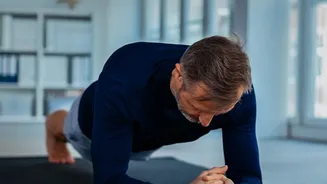
the deep, stabilizing muscles that wrap around your midsection like a corset—including the transverse abdominis, pelvic floor, and lower back muscles. Think of these as the foundation of your body's strength. The slow, precise movements challenge your stability, forcing these deep muscles to engage to keep your spine and pelvis properly aligned. The result is not just a stronger midsection, but improved posture, better balance, and a reduced risk of injury, particularly in the lower back.
The Power Play: Circuit Training for Explosive Abs
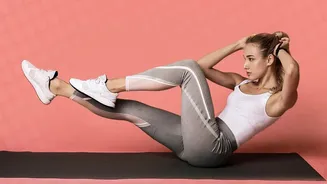
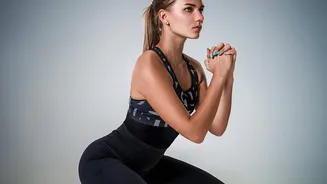
Circuit training, on the other hand, is all about intensity and efficiency. This workout style involves performing a series of different exercises back-to-back with minimal rest. When aimed at the abs, these circuits often feature dynamic, high-energy movements like medicine ball slams, kettlebell swings, or explosive crunches. The focus here is on building power and muscular endurance in the more superficial abdominal muscles, like the rectus abdominis—the one responsible for the classic "six-pack" look. By pushing your muscles through high-intensity bursts, you challenge your fast-twitch muscle fibers, which are crucial for generating explosive force. This method is excellent for burning a significant number of calories, improving cardiovascular health, and building visible muscle definition.
Alignment vs. Power: The Key Differences
The core difference lies in their primary goals. Pilates seeks to create a stable, well-aligned foundation. It asks your body to maintain control and precision through a full range of motion, strengthening the muscles that support your posture. Circuit training aims to build strength, power, and muscular endurance through high-volume, high-intensity work. While Pilates workouts are often slow and deliberate, circuit training is fast-paced and designed to keep your heart rate elevated. Pilates trains stability, while ab circuits often train for fatigue and force production. This means that while both can give you a strong core, the type of strength you build is different. One is about subtle control and endurance, while the other is about raw, accessible power.
Which Core Workout Is Right for You?
Choosing between the two depends entirely on your fitness goals. If you are looking to improve your posture, alleviate back pain, build a strong foundation for other activities, or gain better body awareness, Pilates is an excellent choice. Its focus on alignment and deep core strength can help prevent injuries and improve how you move in everyday life. If your primary goals are to burn fat, build visible abdominal muscles, and improve your athletic performance with explosive power, then circuit training is likely a better fit. Its high-intensity nature delivers a powerful metabolic punch and directly targets the muscles that create a defined look.
Better Together: The Hybrid Approach
Ultimately, you don't have to choose just one. In fact, Pilates and circuit training complement each other perfectly. A strong, stable core developed through Pilates provides the perfect platform to safely and effectively perform the high-impact movements of circuit training. With a solid foundation, you can generate more power while reducing your risk of injury from poor form. Many athletes and fitness enthusiasts combine both methods in their weekly routine. For instance, you could dedicate two days a week to Pilates to focus on alignment and stability, and another two days to high-intensity circuit training to build power and cardiovascular fitness. This integrated approach allows you to build a core that is not only powerful and defined, but also intelligent and resilient.