


The Vision vs. The Reality
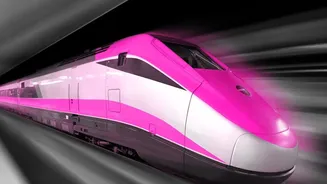
The Mumbai-Ahmedabad High-Speed Rail (MAHSR) corridor was launched in 2017 with a grand vision: a 508-kilometre line connecting India's financial capital with Gujarat's economic hub, slashing travel time to about two hours using Japanese Shinkansen technology.
The project was positioned as a leap into a new era of transportation, promising speeds of up to 320 kmph. However, the initial 2023 completion target proved optimistic. As of late 2026, the project's journey has been marked by significant land acquisition delays, particularly in Maharashtra, which stalled early progress until around 2022. Now, with those hurdles largely cleared, the focus has shifted to construction, which is advancing at a notable pace, though the finish line for the entire corridor remains further than once hoped.
A Tale of Two States: Progress on the Ground
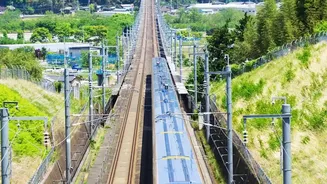
The evidence on the ground shows a clear disparity in progress between the Gujarat and Maharashtra sections of the route. In Gujarat, which covers the majority of the corridor, construction is visibly advanced. By September 2026, the National High Speed Rail Corporation Ltd (NHSRCL) has reported the completion of hundreds of kilometres of pier and girder work. Civil construction on key sections like Vapi-Surat is slated for completion by December 2026. Work is also advancing on several of the eight stations in Gujarat, with foundations laid and structures taking shape in cities like Vadodara, Surat, and Ahmedabad. In contrast, the Maharashtra section, though shorter, is catching up after earlier delays. Work is progressing on the state's four stations, including the complex underground station at Mumbai's BKC.
The Phased Rollout: When Will It Actually Run?
The most significant shift in the project's execution is the move to a phased commissioning. Instead of waiting for the entire 508 km line to be ready, Indian Railways plans to launch services on completed sections first. According to Railway Minister Ashwini Vaishnaw, the first operational stretch is expected to be between Surat and Bilimora in Gujarat, with a target launch of August 2027. This will be followed by extensions to Vapi and then Ahmedabad. This phased approach means that while a bullet train will likely run in India next year, the full, seamless journey from Mumbai to Ahmedabad is still some years away, with some estimates placing the final completion of the entire corridor around 2029.
Indigenous Ambition and Technical Milestones
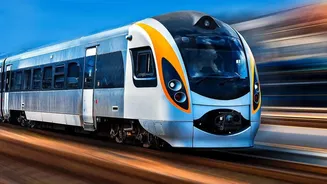
Beyond the civil construction, a key part of the 2026 story is the push for domestic manufacturing. While the project uses Japanese technology, India is also developing its own high-speed train prototype. State-owned BEML is manufacturing a trainset with a planned operational speed of 250 kmph, which is expected to begin track testing by mid-2027. This 'Make in India' component is a crucial long-term goal, aimed at building domestic capacity for future high-speed rail corridors. Recent project milestones also include the readiness of the first coach for testing and significant progress on major river bridges along the route, underscoring that the project has moved from planning and acquisition to advanced engineering and execution.
The Bigger Picture: Cost and Future Corridors
The project's complexity is reflected in its cost. While the final figure can only be determined upon completion, the initial estimate was over ₹1 lakh crore, with Japan providing a significant soft loan. The experience gained from the MAHSR project is already shaping the future of high-speed rail in India. The government has announced plans for seven new high-speed rail corridors, connecting cities like Delhi, Varanasi, Hyderabad, and Chennai. The lessons learned from the Mumbai-Ahmedabad line in terms of land acquisition, standardized design, and project management are intended to create a template for faster execution of this larger national network.