




The Journey as it Stands
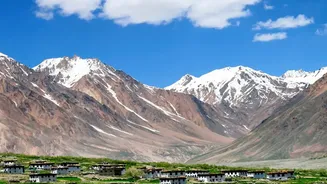
For decades, the only way for tourists to reach the stunning Nubra Valley has been a challenging, albeit scenic, road trip from Leh. This journey, approximately 120 to 160 kilometres, involves crossing the formidable Khardung La, one of the world's highest
motorable passes. The drive typically takes five to six hours, a time that can stretch longer depending on weather, road conditions, and the essential need for acclimatisation to the extreme altitude of over 17,500 feet. This arduous journey, while rewarding, limits the number of visitors and makes short trips impractical. It also means that for several months during the harsh winter, heavy snowfall can render the pass unreliable, effectively cutting off easy access to the valley.
Enter Thoise Airport
Nestled in the Nubra region, Thoise is an Indian Air Force station that has long served as a critical logistical hub for military operations, particularly for supplying troops in the Siachen Glacier sector. It is a high-altitude airfield of immense strategic importance. Now, plans are firmly in motion to open this vital airbase for civilian flights. According to the Ladakh administration, commercial operations are targeted to begin by December 2026. This development involves refurbishing the existing terminal and completing runway recarpeting, with the Indian Air Force having already approved land for a new civil terminal for future expansion.
A Revolution in Travel Time
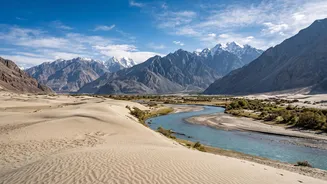
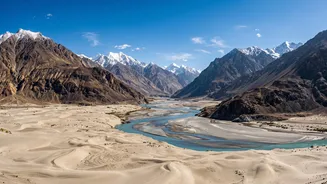
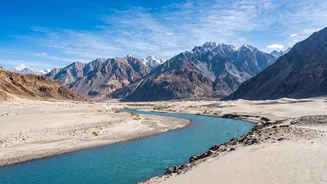
The introduction of commercial flights to Thoise will be nothing short of revolutionary for tourism. It will slash travel time from a gruelling 5-6 hour drive to a short flight of under an hour. This dramatic reduction in transit time fundamentally alters the travel calculus for Nubra Valley. A destination that once required a minimum of two days for a return trip from Leh will suddenly become accessible for day trips or more relaxed overnight stays. This increased accessibility is expected to attract a new segment of travellers, including those on tighter schedules, families with young children, and older tourists who might be deterred by the strenuous road journey over high passes. It makes the valley's famous sand dunes, Bactrian camels, and ancient monasteries more reachable than ever.
Boosting the Local Economy
Beyond convenience, direct air access is poised to deliver a significant economic boost to the residents of Nubra Valley. Increased tourist footfall translates directly into greater demand for hotels, guesthouses, homestays, taxi services, and local handicrafts. For a region where tourism is a primary economic driver, this could be transformative, creating new jobs and opportunities. Local leaders have highlighted that easier access will not only benefit tourism but also provide a vital lifeline for residents, especially during medical emergencies or when winter weather isolates the valley.
Strategic and Regional Connectivity
The decision to open Thoise to civilians is not just about tourism; it is also a strategic move to enhance all-weather connectivity to remote border areas. The airport's location makes it a gateway to sensitive and previously hard-to-reach destinations like Turtuk and the Siachen Base Camp area. By facilitating both military and civilian movement, the airport strengthens India's logistical capabilities in a critical region while simultaneously integrating the local population more closely with the rest of the country. While Leh's Kushok Bakula Rimpochee Airport will remain the primary hub for Ladakh, Thoise will function as a crucial secondary gateway, decentralising access and unlocking the potential of northern Ladakh.