


The Current State of 'Escape'
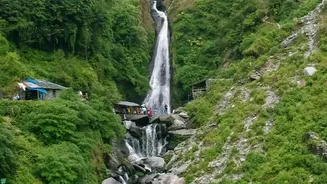
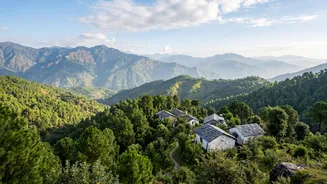
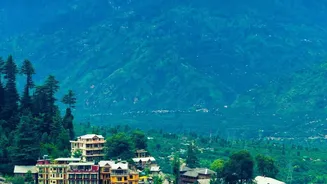
Recent months have painted a stark picture of the strain on India's popular hill stations. Destinations like Shimla, Manali, Mussoorie, and Nainital have witnessed an unprecedented tourist surge, largely driven by scorching heatwaves in the plains. In Shimla, authorities
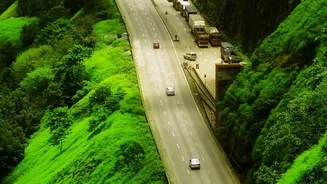
reported nearly 15 lakh vehicles entering the city between May and mid-June 2026, pushing hotel occupancies to 80-90% during weekends. Similar scenes played out in Manali, where the traffic influx was described as bringing the town to a near standstill. This seasonal rush has become a recurring crisis, transforming serene retreats into zones of congestion and over-tourism. The problem extends beyond the usual suspects in Himachal Pradesh and Uttarakhand, with destinations in Jammu and Kashmir and the Northeast also reporting similar pressures.
More Than Just Traffic Jams
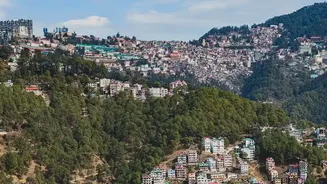
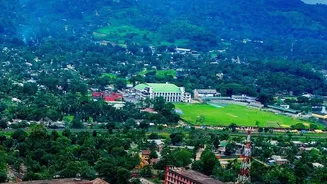
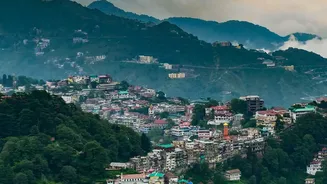
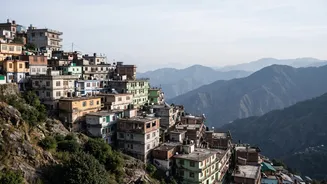
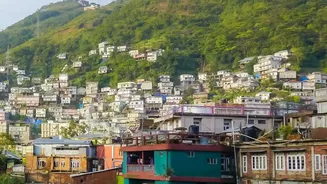
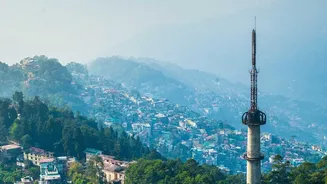
While bumper-to-bumper traffic is the most visible symptom, the crisis runs much deeper. The core infrastructure of these towns, many of which were designed in the colonial era for a fraction of their current population, is collapsing under the weight of both permanent residents and a massive floating tourist population. Shimla, originally planned for 25,000 people, now supports a population of over 800,000, leading to chronic issues. Water scarcity is a major concern; towns like Mussoorie and Nainital experience acute shortages during peak tourist season, precisely when demand skyrockets. Waste management is another critical failure point. In places like Kempty near Mussoorie, the surge in visitors has led to rampant plastic pollution, with trash overwhelming trails and water bodies. This uncontrolled urbanisation and tourism are causing irreversible damage to the fragile Himalayan ecosystem.
The Economic Lifeline at a Breaking Point
The dilemma for local administrations is that tourism is the economic engine of these regions. In Himachal Pradesh, the sector contributes significantly to the state's GDP and is a major source of employment. Local businesses, from hotel owners to taxi drivers and small shopkeepers, depend on the seasonal influx of visitors for their livelihood. However, this reliance on mass tourism has created a volatile situation where the very industry that sustains the economy is also destroying the natural charm that attracts visitors in the first place. Experts warn that this model is unsustainable. The relentless push for more roads and hotels, often without proper ecological assessment, induces more traffic and puts further pressure on already stressed resources like water and forests.
The Search for Solutions
In response to the growing crisis, authorities are beginning to explore regulatory measures. The concept of "carrying capacity"—assessing how many visitors an ecosystem can sustainably support—is gaining traction. Some states have started taking action. The Madras High Court imposed restrictions on the number of tourist vehicles entering Ooty and Kodaikanal, mandating e-passes to manage the flow. In Uttarakhand, mandatory online registration was introduced for visitors to Mussoorie to collect real-time data on tourist footfall. Experts and environmental groups are pushing for a more comprehensive approach that includes not just traffic management but also integrated planning for water, waste, and construction. However, these solutions often face resistance and are yet to be implemented on a scale that matches the magnitude of the problem.